
Dr RG Yadav
About Me
Dr RG Yadav
MS
Urologists
10 Years Experience
Biography
My Clinic
OPD Hours
| Monday | Morning | 10:00 AM | - | 02:00 PM |
| Evening | 06:00 PM | - | 09:00 PM | |
| Tuesday | Morning | 10:00 AM | - | 02:00 PM |
| Evening | 06:00 PM | - | 09:00 PM | |
| Wednesday | Morning | 10:00 AM | - | 02:00 PM |
| Evening | 06:00 PM | - | 09:00 PM | |
| Thursday | Morning | 10:00 AM | - | 02:00 PM |
| Evening | 06:00 PM | - | 09:00 PM | |
| Friday | Morning | 10:00 AM | - | 02:00 PM |
| Evening | 06:00 PM | - | 09:00 PM | |
| Saturday | Morning | 10:00 AM | - | 02:00 PM |
| Evening | 06:00 PM | - | 09:00 PM | |
| Sunday | Morning | 10:00 AM | - | 02:00 PM |
| Evening | 06:00 PM | - | 09:00 PM |
Treatments
Specialised care and treatments offered
MALE INFERTILITY EVALUATION
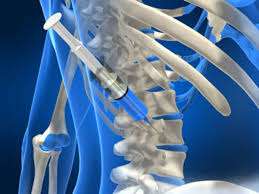
The evaluation of male infertility is an important step for couples struggling to conceive. Infertility affects approximately 15% of couples worldwide; hence understanding potential male factors is essential!
- Common signs might include a low sperm count indicated through semen analysis rather than observable symptoms alone since many men do not exhibit noticeable physical signs of infertility issues.
ERECTILE DYSFUNCTION

Erectile dysfunction (ED) affects many men at various stages of life. It’s characterized by difficulty achieving or maintaining an erection suitable for sexual performance. Identifying underlying causes is vital for effective management of ED.
- Potential causes include psychological factors such as stress or anxiety; physical conditions including diabetes or heart disease; hormonal imbalances; or medication side effects.
- A comprehensive diagnosis often includes a thorough health evaluation along with laboratory tests assessing hormonal levels and blood flow issues.
- Treatment methods range from lifestyle modifications such as exercise and weight management to pharmacological options including PDE5 inhibitors like Viagra or Cialis; vacuum devices are also available as alternatives.
BENIGN PROSTATIC HYPERPLASIA (BPH)

Benign prostatic hyperplasia is a condition where the prostate gland enlarges as men age. While this enlargement is usually non-cancerous, it can lead to uncomfortable urinary symptoms that impact daily life significantly.
- Common symptoms include frequent urination especially at night (nocturia), weak urine stream, difficulty starting urination, and an urgent need to urinate.
- The condition is diagnosed through symptom questionnaires coupled with physical examinations known as digital rectal exams (DRE).
- Treatment options vary from watchful waiting approach to medications like alpha-blockers or 5-alpha-reductase inhibitors; minimally invasive procedures may be considered for severe cases.
- Lifestyle changes such as reducing caffeine intake and staying hydrated during appropriate times can also alleviate some symptoms associated with BPH.
An informed understanding helps patients make decisions tailored to their specific situations regarding BPH management strategies.
URINARY INCONTINENCE

Urinary incontinence refers to the involuntary loss of urine which can significantly affect quality of life. It is a common yet often underreported issue that varies in severity from occasional leakage to complete loss of bladder control.
- The causes can range from urinary tract infections (UTIs), pregnancy-related changes, age-related muscle weakening to neurological disorders affecting bladder function.
- A thorough assessment involving medical history, physical exams, and urodynamic tests aids in accurate diagnosis.
- Treatment options include pelvic floor exercises (Kegels), bladder training techniques, medications that help with bladder control, and surgical interventions if necessary.
- Lifestyle modifications such as weight management and dietary changes also play a crucial role in managing symptoms effectively.
A comprehensive approach ensures better management outcomes for individuals dealing with this condition.
PROSTATE CANCER SCREENING

Screening for prostate cancer is critical for early detection. The earlier prostate cancer is identified; the better the chances of successful treatment. Awareness of screening guidelines is essential.
- The most common symptoms include difficulty urinating, blood in urine, or pain during urination; however, many men may not experience symptoms initially.
- A prostate-specific antigen (PSA) test along with a digital rectal exam (DRE) forms the basis for diagnosis. Elevated PSA levels may suggest further investigation.
- Treatment may involve active surveillance, surgery, radiation therapy, or hormone therapy depending on the stage of cancer.
- Regular screening is recommended especially for men aged 55-69 or those with a family history of prostate cancer.
Taking proactive steps toward screening can lead to timely intervention when needed.
KIDNEY STONES

Kidney stones are hard deposits made of minerals and salts that form inside the kidneys. They can affect any part of the urinary tract and are often accompanied by severe pain. Understanding kidney stones can help in both prevention and management.
- Symptoms may include intense pain in the back or side, blood in urine, nausea, and frequent urination.
- Diagnosis typically involves imaging tests like ultrasound or CT scans, alongside blood and urine tests to identify stone composition.
- Treatment options range from increased fluid intake for small stones to medications for pain management, and in some cases, surgical procedures such as lithotripsy.
- Prevention focuses on dietary changes, adequate hydration, and understanding individual risk factors for recurrence.
With proper care and lifestyle adjustments, individuals can effectively manage their condition and reduce the likelihood of future stones.