
Dr Richa Jain
About Me
Dr Richa Jain
DO
Ophthalmologist
10 Years Experience
Biography
My Clinic
OPD Hours
| Monday | Morning | 10:00 AM | - | 02:00 PM |
| Evening | 06:00 PM | - | 09:00 PM | |
| Tuesday | Morning | 10:00 AM | - | 02:00 PM |
| Evening | 06:00 PM | - | 09:00 PM | |
| Wednesday | Morning | 10:00 AM | - | 02:00 PM |
| Evening | 06:00 PM | - | 09:00 PM | |
| Thursday | Morning | 10:00 AM | - | 02:00 PM |
| Evening | 06:00 PM | - | 09:00 PM | |
| Friday | Morning | 10:00 AM | - | 02:00 PM |
| Evening | 06:00 PM | - | 09:00 PM | |
| Saturday | Morning | 10:00 AM | - | 02:00 PM |
| Evening | 06:00 PM | - | 09:00 PM | |
| Sunday | Morning | 10:00 AM | - | 02:00 PM |
| Evening | 06:00 PM | - | 09:00 PM |
Treatments
Specialised care and treatments offered
PTERYGIUM SURGERY
Pterygium is characterized by growths on the conjunctiva that can lead into the cornea affecting vision quality. While benign, they can result in discomfort or distortion problems sometimes warranting surgical intervention when symptomatic impact grows greater than tolerable levels among patients involved..
- Symptoms might involve redness , irritation , feel along with progressive obstructions .
- Detailed evaluations involving slit-lamp examinations allow accurate diagnosis alongside determining potential future risks associated.
- Surgical techniques correctively excise pterygium while also ensuring minimal recurrence rates through application methods like adjunctive antifibrotic agents post-operatively.
- Typical recovery suggests reduced downtime although some mild irritation may persist temporarily .
Successful outcomes culminate primarily towards regaining normality returning right back into everyday life without barriers caused previously .
CORNEAL TRANSPLANTATION
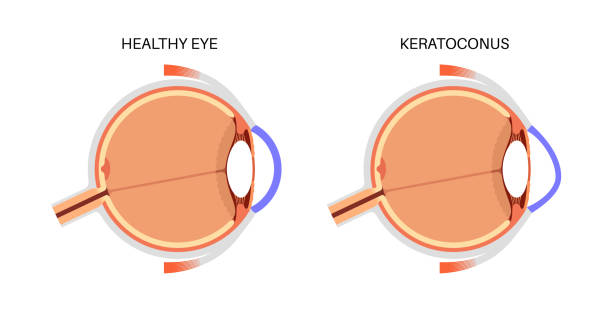
This surgical procedure involves replacing all or part of a damaged cornea with healthy donor tissue. Corneal transplantation is often indicated when corneal scarring or swelling impairs vision severely enough not addressed by other treatments.
- The most common causes necessitating this transplant include keratoconus, trauma, infections like herpes keratitis leading to transparency issues in the cornea.
- A meticulous eye examination helps confirm suitability through various diagnostic tests that evaluate overall health status of both donor tissue & recipient eyes.
- This transplant may require several weeks’ recovery time; however effective pain management strategies are implemented throughout.
RETINAL DETACHMENT REPAIR
A retinal detachment occurs when the retina separates from its underlying supportive tissue. It’s considered a medical emergency requiring immediate attention to prevent permanent vision loss.
- The primary symptoms include sudden flashes of light, floaters in sight, or a shadow over part of your visual field.
- An ophthalmologist diagnoses this condition through detailed examinations including ophthalmoscopy and ultrasound imaging tests if needed.
- Treatment methods vary from laser therapy or cryopexy for smaller detachments to more invasive surgical procedures like scleral buckle surgery for extensive cases.
- Name response time is critical; prompt intervention typically results in better visual outcomes post-treatment.
GLAUCOMA TREATMENT
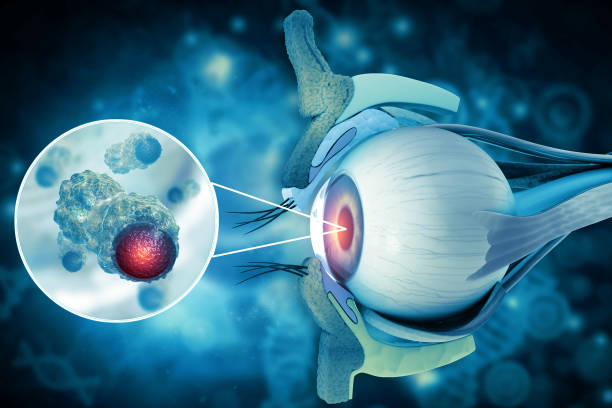
Glaucoma refers to a group of progressive eye diseases that damage the optic nerve, often due to increased intraocular pressure. Early detection is crucial as it can lead to irreversible vision loss if left untreated.
- Typical symptoms include peripheral vision loss or tunnel vision which often goes unnoticed until advanced stages.
- Diagnosis is performed through comprehensive visual field tests and tonometry, which measures eye pressure.
- Treatment may involve prescription eye drops, oral medications, or surgical options depending on severity; surgeries like trabeculectomy can help reduce pressure effectively.
- Continued follow-up appointments are essential for monitoring progress and adjusting treatment plans as necessary.
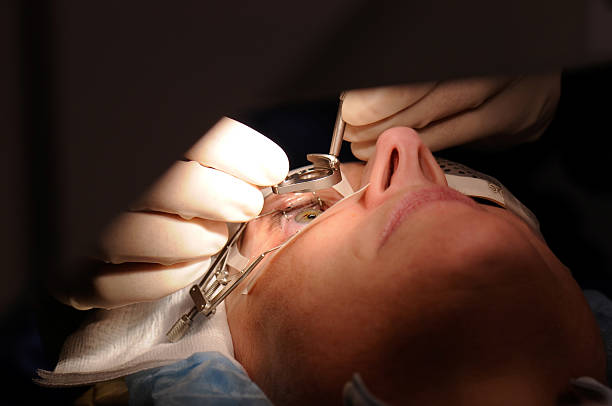
LASIK EYE SURGERY
LASIK is a popular laser eye surgery designed to correct refractive errors such as myopia (nearsightedness), hyperopia (farsightedness), and astigmatism. This quick, outpatient procedure reshapes the cornea to improve how light enters the eye.
- The most common symptoms indicating the need for LASIK include frequent headaches, squinting to see better, and reliance on glasses or contact lenses.
- A thorough eye examination is necessary for diagnosis; it includes measuring corneal thickness and mapping the surface of the cornea.
- The LASIK procedure itself usually takes less than 30 minutes per eye and comes with minimal discomfort.
- Pain management post-surgery is generally straightforward, with many patients reporting significant vision improvement within hours.
This innovative approach leads to fast healing times and offers enhanced freedom from corrective eyewear.
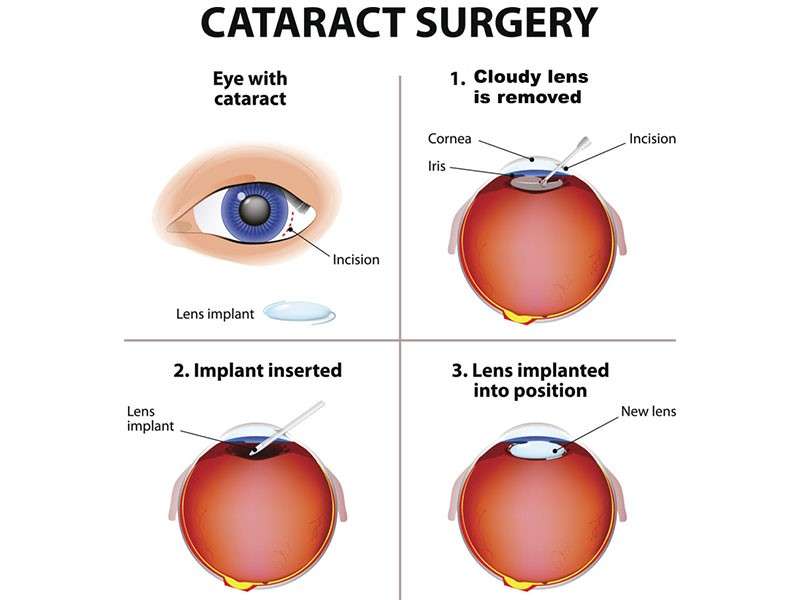
CATARACT SURGERY
Cataract surgery is a common procedure aimed at restoring vision in patients whose lens has become cloudy due to aging or other factors. The surgery involves removing the affected lens and replacing it with an artificial one, known as an intraocular lens (IOL).
- Symptoms of cataracts typically include blurred vision, difficulty seeing at night, and sensitivity to light.
- Cataracts are diagnosed through a comprehensive eye examination that assesses visual acuity and checks for cloudiness in the lenses.
- Treatment options primarily involve surgical removal of the cataract; however, regular monitoring may be recommended in early stages.
- Post-surgery, patients can expect improved vision shortly after the procedure, although full recovery may take several weeks.
This intervention has a high success rate and can significantly enhance quality of life by restoring clear vision.