
Dr Richa Jainn
About Me
Dr Richa Jainn
MD
Dermatologist
Biography
My Clinic
OPD Hours
| Monday | Morning | 10:00 AM | - | 02:00 PM |
| Evening | 06:00 PM | - | 09:00 PM | |
| Tuesday | Morning | 10:00 AM | - | 02:00 PM |
| Evening | 06:00 PM | - | 09:00 PM | |
| Wednesday | Morning | 10:00 AM | - | 02:00 PM |
| Evening | 06:00 PM | - | 09:00 PM | |
| Thursday | Morning | 10:00 AM | - | 02:00 PM |
| Evening | 06:00 PM | - | 09:00 PM | |
| Friday | Morning | 10:00 AM | - | 02:00 PM |
| Evening | 06:00 PM | - | 09:00 PM | |
| Saturday | Morning | 10:00 AM | - | 02:00 PM |
| Evening | 06:00 PM | - | 09:00 PM | |
| Sunday | Morning | 10:00 AM | - | 02:00 PM |
| Evening | 06:00 PM | - | 09:00 PM |
Treatments
Specialised care and treatments offered
ROSACEA TREATMENT
Rosacea is a chronic inflammatory skin condition marked by facial redness and visible blood vessels that often mimics other conditions like acne. Its exact cause remains elusive but it significantly affects patients’ self-image due its recurrent nature。
- Symptoms include flushing triggered by heat exposure, spicy foods,同时 only worsen without timely intervention。
- Dermatologists diagnose rosacea based chiefly upon how it presents symptomatically;sometimes additional tests help rule out other diseases exhibiting similar traits。
- Initial treatments center around topical agents such as metronidazole;if severe oral medications may also be necessary alongside light therapies targeting persistent symptoms。
- With consistent ongoing therapy,many find relief from discomfort while witnessing visible improvements over time—even allowing them renewed confidence 。
Selecting individualized approaches tailored towards managing this condition enables effective handling whilst balancing everyday life situations without compromising one’s overall quality living!
MOLE REMOVAL
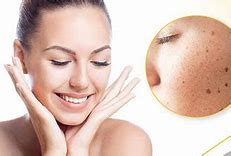
Mole removal may be needed for cosmetic reasons or if there's concern about potential malignancy. Moles change appearance over time; assessing these changes with expert eyes helps ensure they remain benign.
- Moles typically present as brown spots on your skin; however changes such as itching or bleeding warrant attention as these could indicate underlying issues.
- Diagnosis might involve examining moles closely under dermatoscopic tools; suspicious ones warrant biopsies to rule out cancer。
- Various methods exist for mole removal ranging from simple excision (cutting out) to laser removal procedures depending on their features and location。
- Post-removal care includes monitoring the area for healing while watching for signs indicating anything unusual might arise later。
Successfully addressing moles enhances both confidence levels aesthetically while mitigating health risks through vigilance against potential malignancy。
SKIN CANCER SCREENING
Routine screening for skin cancer is crucial in early detection where treatment outcomes are far more favorable. It involves examining any new growths or changes in existing moles for warning signs of cancerous changes.
- The main suspicious signs include changing size or color of moles or lesions that have an irregular border or are asymmetrical.
- A thorough physical exam by a dermatologist allows them to assess risk factors like family history and sun exposure history as well as evaluate any concerning spots on your skin directly.
- If any anomalies are discovered during screening, a biopsy may be performed to determine if cancerous cells are present.
- Treatment could involve surgical removal of cancerous tissue if diagnosed early and accurately identified during screenings.
This proactive approach supports better health outcomes through vigilant monitoring and timely intervention when needed.
ACNE
Acne is a prevalent skin condition that occurs when hair follicles become clogged with oil and dead skin cells. It commonly appears during adolescence but can affect individuals at any age.
- Main symptoms include pimples, blackheads, whiteheads, cysts, or nodules primarily on the face, back, and shoulders.
- The diagnosis is typically based on observing the skin's appearance along with patient history; severe cases may require further evaluation for hormonal issues.
- Treatment options feature topical retinoids, antibiotics, hormonal therapies for women, and isotretinoin for severe cases when necessary.
- Lifestyle changes such as dietary adjustments also play a role in managing acne severity.
- Persistent use of prescribed treatments can lead to significant improvement in skin appearance over time.
Effectively managing acne not only enhances physical appearance but also boosts self-esteem for many patients.
ECZEMA
Eczema, also known as atopic dermatitis, is a common inflammatory skin condition that usually starts in childhood. It leads to red, itchy patches on various body areas that can cause discomfort and distress.
- The primary symptom is persistent itchiness, accompanied by red or brownish-gray patches on the skin.
- Diagnosis is made through clinical evaluation; sometimes allergy tests are used to identify triggers.
- Treatment includes moisturizers, topical corticosteroids, and avoiding known irritants or allergens.
- The condition requires ongoing management to prevent flare-ups, which may occur due to environmental factors or stress.
- Patients should expect improvement with adherence to treatment plans but must remain vigilant about potential relapses.
A comprehensive approach aids in controlling eczema symptoms effectively over time.
PSORIASIS
Psoriasis is a chronic autoimmune condition characterized by the rapid growth of skin cells, leading to thick, red patches covered with silvery scales. This skin disorder can significantly impact the quality of life for those affected.
- Symptoms include itchy, dry patches that can be painful and may crack or bleed.
- Diagnosis often involves a physical examination and sometimes a biopsy to confirm the type of psoriasis.
- Treatment options range from topical therapies and phototherapy to systemic medications which can modulate the immune response.
- Management is tailored to individual needs and may involve lifestyle modifications alongside medical therapy.
- Patients can expect fluctuations in their condition; periods of flare-ups followed by remission.
With appropriate treatment, individuals with psoriasis can effectively manage symptoms and lead fulfilling lives.