
Dr Rickson Pereira
About Me
Dr Rickson Pereira
Dermatologist
Biography
My Clinic
OPD Hours
| Tuesday | Morning | 10:00 AM | - | 02:00 PM |
| Evening | 06:00 PM | - | 09:00 PM | |
| Wednesday | Morning | 10:00 AM | - | 02:00 PM |
| Evening | 06:00 PM | - | 09:00 PM | |
| Thursday | Morning | 10:00 AM | - | 02:00 PM |
| Evening | 06:00 PM | - | 09:00 PM | |
| Friday | Morning | 10:00 AM | - | 02:00 PM |
| Evening | 06:00 PM | - | 09:00 PM | |
| Saturday | Morning | 10:00 AM | - | 02:00 PM |
| Evening | 06:00 PM | - | 09:00 PM | |
| Sunday | Morning | 10:00 AM | - | 02:00 PM |
| Evening | 06:00 PM | - | 09:00 PM | |
| Thursday | Morning | 10:00 AM | - | 02:00 PM |
| Evening | 06:00 PM | - | 09:00 PM |
Treatments
Specialised care and treatments offered
CONTACT DERMATITIS
This skin reaction occurs when direct contact with an irritant or allergen leads to inflammation. Identifying specific triggers greatly aids patients' understanding of this frequently occurring dermatological issue!
- Symptoms involve redness accompanied by itching; blisters may form depending upon severity levels observed individually!
- Diagnosis relies heavily upon reviewing your medical history combined with physical examinations confirming possible allergens present within surroundings!
- Treatment options primarily consist of identifying & avoiding triggering substances alongside using topical steroid creams aiding relief from discomfort experienced!
- In some cases oral antihistamines might prove useful towards alleviating general itchiness experienced!
- Educating yourself about potential irritants enables long-term successful avoidance practices established for healthier outcomes moving forward!
With proper identification alongside careful management techniques implemented consistently lead towards reduced incidents relating contact dermatitis significantly enhancing overall living experiences thereafter through informed choices made ahead!.
ROSACEA
This chronic inflammatory condition typically affects adults and leads to redness on the cheeks, nose, chin, or forehead. Rosacea's exact cause remains unclear but can flare up due to various environmental factors. Recognizing these fluctuations assists patients manage their condition better overall!
- Main symptoms entail persistent facial redness alongside visible blood vessels; some individuals may experience bumps resembling acne as well!
- A clinical evaluation along with patient history helps determine an accurate diagnosis amidst other similar conditions!
- Treatment usually encompasses topical medications aimed at reducing inflammation; oral antibiotics might also be prescribed if necessary based upon severity levels observed individually!
- Lifestyle habits like avoiding triggers (i.e., spicy foods) play crucial roles in controlling future flare-ups over time too!
Working closely with professionals allows you implement comprehensive strategies against rosacea’s unpredictable nature through lifestyle modifications & targeted therapies!
HYPERPIGMENTATION
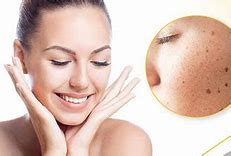
This condition involves dark patches on the skin resulting from excess melanin production. Hyperpigmentation can be triggered by sun exposure, hormonal changes, or certain medications. Understanding its causes aids in effective treatment approaches tailored to individual needs.
- Main symptoms include dark spots appearing on various parts of the body after sun exposure or injury to the skin.
- A dermatologist will evaluate your skin type and history during diagnosis to tailor treatments accordingly.
- Treatments focus on topical agents such as hydroquinone or azelaic acid which help lighten dark areas over time.
- Additionally, chemical peels or laser treatments may also be considered for quicker results under professional guidance.
- Sunscreen use is essential in preventing further darkening of existing spots during treatment phases too!
The right approach can significantly improve skin appearance over time with consistent care practices added into your routine!
ACNE
Acne is one of the most prevalent skin conditions affecting individuals of all ages. It primarily occurs due to clogged pores from oil production and dead skin cells. Understanding acne helps in selecting appropriate treatment options for clearer skin.
- The main symptoms are pimples, blackheads, whiteheads, and sometimes cysts or nodules on the face and body.
- A thorough examination along with discussion of your skincare routine aids in diagnosing acne severity.
- Treatment methods may include over-the-counter products containing benzoyl peroxide or salicylic acid for mild cases.
- If needed, topical retinoids or antibiotics can be prescribed for more significant breakouts.
- Lifestyle modifications like maintaining a healthy diet and cleansing practices are vital for prevention and management.
You can achieve clearer skin through timely treatment and adherence to your prescribed regimen.
PSORIASIS
This chronic autoimmune condition manifests as red, scaly patches on the skin. Psoriasis is influenced by various factors, including genetics and immune system activity. Understanding this condition helps in managing it more effectively.
- Common symptoms are raised plaques covered with silvery scales, often found on elbows and knees.
- A dermatologist usually conducts a physical exam to confirm the diagnosis.
- Treatment often includes topical therapies like corticosteroids or vitamin D analogs to reduce inflammation.
- For more severe cases, light therapy or systemic medications may be recommended to manage symptoms more effectively.
- Lifestyle changes such as stress management and maintaining a healthy weight can also be beneficial.
While psoriasis is a lifelong condition, various strategies can minimize its impact on daily life.
ECZEMA
Eczema is a common condition that results in inflamed, itchy skin. It can occur at any age but often begins in childhood. Various factors, including genetics, environmental triggers, and allergens, can contribute to its development.
- Symptoms include dry, red patches of skin that may become cracked or weepy.
- The diagnosis typically involves a physical examination and discussing your personal and family medical history.
- Treatment options mostly focus on managing symptoms using moisturizers, topical steroids, and avoiding known triggers.
- In some cases, antihistamines may help alleviate itchiness.
- It's essential to follow a consistent skincare routine for effective management.
With proper care and lifestyle adjustments, individuals with eczema can lead comfortable lives.