
Dr Rimmi Shekhawa
About Me
Dr Rimmi Shekhawa
MBBS
General Physician
10 Years Experience
Biography
My Clinic
OPD Hours
| Monday | Morning | 10:00 AM | - | 02:00 PM |
| Evening | 06:00 PM | - | 09:00 PM | |
| Tuesday | Morning | 10:00 AM | - | 02:00 PM |
| Evening | 06:00 PM | - | 09:00 PM | |
| Wednesday | Morning | 10:00 AM | - | 02:00 PM |
| Evening | 06:00 PM | - | 09:00 PM | |
| Thursday | Morning | 10:00 AM | - | 02:00 PM |
| Evening | 06:00 PM | - | 09:00 PM | |
| Friday | Morning | 10:00 AM | - | 02:00 PM |
| Evening | 06:00 PM | - | 09:00 PM | |
| Saturday | Morning | 10:00 AM | - | 02:00 PM |
| Evening | 06:00 PM | - | 09:00 PM | |
| Sunday | Morning | 10:00 AM | - | 02:00 PM |
| Evening | 06:00 PM | - | 09:00 PM |
Treatments
Specialised care and treatments offered
ALLERGY MANAGEMENT
Allergies occur when the immune system reacts aggressively to substances known as allergens. Managing allergies effectively requires understanding both triggers and treatment options available today!
- Symptoms vary widely ranging from nasal congestionoring difficulty breathing all way through skin rashes! Awareness surrounding potential allergens makes identifying relevant triggers easier
Collaborating closely improves knowledge equips individuals dealing sensitivities provides long-term support throughout allergy seasons!
THYROID DISORDERS

Thyroid disorders encompass various conditions affecting the thyroid gland's function leading to either excess or insufficient hormone production. These conditions require diligent management for optimal health outcomes.
- Sufferers might experience weight changes, energy level fluctuations, mood swings or changes in hair/skin quality depending on whether there’s overactive (hyperthyroidism) or underactive (hypothyroidism) gland function present
- Diagnosis usually involves blood tests assessing hormone levels along with clinical evaluations by healthcare providers exploring symptoms presented by the patient
Proactive engagement around thyroid health empowers individuals towards achievable wellbeing!
CHOLESTEROL MANAGEMENT

Elevated cholesterol levels can lead to heart disease and other cardiovascular conditions. Understanding cholesterol's role in your overall health is crucial for prevention strategies.
- The condition generally does not show immediate symptoms; thus regular screening is vital for early detection of high cholesterol levels in blood tests.
- The primary causes often include poor diet high in saturated fats, lack of physical activity, obesity, smoking, and genetic factors.
- Treatment practices involve lifestyle modifications like adopting a heart-healthy diet rich in fruits and vegetables alongside possible prescription medications aimed at reducing cholesterol levels when necessary.
- Involving consultation with a healthcare provider ensures personalized care plans are developed based on individual risk factors including family history!
Caring for your cholesterol levels leads to significantly improved heart health outcomes over time!
ASTHMA CONTROL
Asthma is a respiratory condition that causes the airways to become inflamed and narrowed. It necessitates careful long-term management to ensure adequate control over symptoms.
- Common symptoms include wheezing, shortness of breath, chest tightness, and persistent coughing which may be worse at night or early morning.
- A diagnosis can be reached through patient history reviews along with lung function tests conducted by healthcare professionals.
- Treatment often includes inhalers delivering bronchodilators or steroids which help open up the airways during an asthma attack or to prevent one from occurring in the first place.
- Identifying triggers such as allergens or pollutants can assist in creating an effective management plan tailored for each individual’s needs.
- A comprehensive action plan aids patients in handling worsening symptoms effectively and safely when they occur.
Lorem ipsum dolor sit amet consectetur adipisicing elit. Enhanced awareness about one's asthma enables better day-to-day management opportunities for improved quality of life.
DIABETES MELLITUS MANAGEMENT

Diabetes mellitus is a chronic condition characterized by high levels of sugar in the bloodstream. Proper management is vital to prevent complications that can arise from this condition.
- The main symptoms include increased thirst, frequent urination, fatigue, and blurred vision.
- A healthcare provider will diagnose diabetes through tests measuring blood glucose levels after fasting and post-meals.
- Management strategies often involve dietary adjustments, regular physical activity, and may include insulin therapy or oral medications if necessary.
- Monitoring blood glucose levels regularly helps in understanding how food choices affect overall health.
- With consistent management, individuals can maintain healthier lifestyles and minimize long-term health risks associated with diabetes.
Eagerly working towards maintaining stable glucose levels can greatly improve daily well-being for those living with diabetes.
HYPERTENSION MANAGEMENT
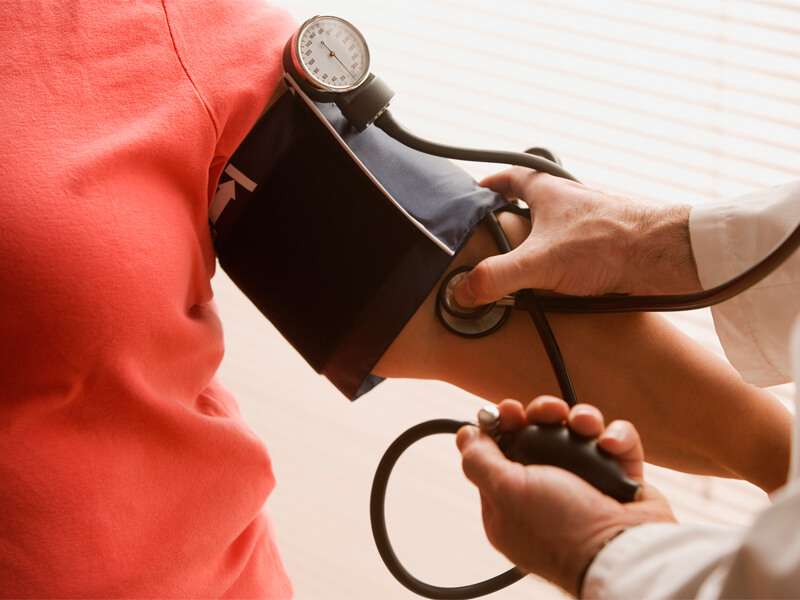
Hypertension, commonly referred to as high blood pressure, is a condition that affects millions of individuals worldwide. This chronic condition can have serious implications for your health if left unmanaged.
- Symptoms may include frequent headaches, dizziness, or nosebleeds, but often it presents without noticeable signs.
- Diagnosis typically involves a series of blood pressure readings taken on different occasions to establish a pattern.
- Treatment options include lifestyle changes such as diet and exercise, along with medications to help control blood pressure levels.
- Regular monitoring is essential and may involve periodic check-ups to assess progress and modify treatment as needed.
- With proper management, individuals can lead normal lives and significantly reduce health risks associated with hypertension.
Understanding and managing hypertension effectively can enhance quality of life and reduce the risk of severe complications.