
Dr Rinku Verma
About Me
Dr Rinku Verma
MD
Diabetologist
Biography
My Clinic
OPD Hours
| Monday | Morning | 10:00 AM | - | 02:00 PM |
| Evening | 06:00 PM | - | 09:00 PM | |
| Tuesday | Morning | 10:00 AM | - | 02:00 PM |
| Evening | 06:00 PM | - | 09:00 PM | |
| Wednesday | Morning | 10:00 AM | - | 02:00 PM |
| Evening | 06:00 PM | - | 09:00 PM | |
| Thursday | Morning | 10:00 AM | - | 02:00 PM |
| Evening | 06:00 PM | - | 09:00 PM | |
| Friday | Morning | 10:00 AM | - | 02:00 PM |
| Evening | 06:00 PM | - | 09:00 PM | |
| Saturday | Morning | 10:00 AM | - | 02:00 PM |
| Evening | 06:00 PM | - | 09:00 PM | |
| Sunday | Morning | 10:00 AM | - | 02:00 PM |
| Evening | 06:00 PM | - | 09:00 PM |
Treatments
Specialised care and treatments offered
CHOLESTEROL MANAGEMENT IN DIABETES
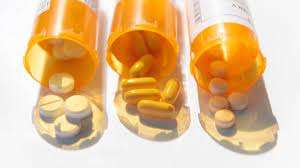
Managing cholesterol levels is particularly important for those diagnosed with diabetes as they are at increased risk for cardiovascular diseases. Regular monitoring enables timely interventions that protect heart health
- Elevated cholesterol often manifests through clinical assessments noting changes in lipid profiles during routine check-ups
- The diagnosis encompasses evaluating family history along with personal lifestyle factors contributing to undesirable lipid readings
- Treatment approaches primarily focus on lifestyle modifications intertwined with pharmacotherapy targeting specific cholesterol types based upon individual patient characteristics
- With appropriate strategy implementations involving both diet exercise regimens aimed toward lowering LDL while raising HDL counts significant progress occurs!
By prioritizing cholesterol management along alongside glucose regulation overall cardiovascular well-being improves drastically promoting longer healthier lives!
FOOT CARE MANAGEMENT
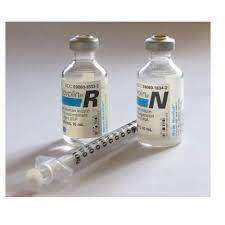
Foot care management is essential for individuals living with diabetes since foot complications can arise from nerve damage or poor circulation. Regular examinations are critical to prevent severe issues and maintain mobility.
- Mild symptoms may include tingling sensations or numbness in the feet; lack of sensation can lead to unnoticed injuries or infections if not addressed promptly.
- Disease progression is evaluated through thorough foot examinations during routine visits to identify any concerns early on before complications develop further.
- Treatment includes establishing daily foot care routines alongside necessary interventions when issues are noted such as calluses or neuropathy.
- By adhering strictly to care protocols suggested by healthcare providers, patients can significantly reduce risks related to foot ulcers.'
Committing time towards proper foot hygiene ensures long-term safety & retains independence within diabetic lifestyles!
DIETARY MANAGEMENT IN DIABETES
A well-structured dietary plan plays a crucial role in controlling blood sugar levels among diabetic patients. Nutrition directly influences glycemic control and overall health status significantly.
- Poor dietary choices may lead to symptoms such as fatigue, weight gain, or digestive issues commonly associated with diabetes complications.
- The diagnosis process considers dietary habits history alongside metabolic markers like HbA1c to tailor recommendations effectively.
- Treatment entails creating balanced meal plans focusing on low glycemic index foods while monitoring carbohydrate intake closely.
- Patients often observe improved energy levels and weight maintenance with consistent application of dietary strategies paired with regular check-ups.
A proactive approach toward diet can greatly enhance an individual's journey through managing diabetes more confidently!
DIABETES EDUCATION AND SELF-MANAGEMENT TRAINING
Diabetes education is crucial for empowering patients to take charge of their condition. Through structured training programs, individuals learn effective strategies for managing diabetes successfully.
- Symptoms of poorly managed diabetes may include unexpected weight loss, frequent urination, and blurred vision.
- The assessment often begins with identifying knowledge gaps about diabetes among patients during consultations.
- Treatment focuses on personalized education plans that cover nutrition, exercise, medication adherence, and monitoring techniques.
- With ongoing support and knowledge, patients can mitigate complications associated with diabetes over time.
This holistic approach fosters self-efficacy in managing diabetes creatively while minimizing long-term risks.
INSULIN PUMP THERAPY
Insulin Pump Therapy offers an advanced method for delivering insulin continuously throughout the day. This approach can provide more precise control over blood glucose levels compared to traditional injections.
- Patients may experience symptoms like high blood sugar or low blood sugar episodes if their control is inadequate.
- Diagnosis involves evaluating the patient’s insulin needs and lifestyle to determine suitability for pump therapy.
- Management includes regular monitoring and adjustment of basal and bolus insulin rates via the pump.
- After initial adjustment, many users report smoother glucose levels and greater flexibility in their eating habits.
This method can enhance quality of life while maintaining essential glycemic control for diabetes patients.
CONTINUOUS GLUCOSE MONITORING (CGM)
Continuous Glucose Monitoring (CGM) is a vital tool for managing diabetes effectively. This system provides real-time glucose readings, allowing individuals to make informed decisions regarding their diet and insulin needs.
- Common symptoms of fluctuating glucose levels include fatigue, excessive thirst, and irritability.
- Diagnosis typically involves the deployment of a CGM device, which checks interstitial fluid glucose levels at regular intervals.
- Treatment options focus on integrating CGM data into daily management routines, adjusting insulin dosages based on trends.
- Patients can expect improved blood sugar control and less frequent severe highs or lows with proper use of CGM.
Overall, CGM technology is transforming diabetes care by offering insights that lead to better health outcomes.