
Dr Rinky Kapoor
About Me
Dr Rinky Kapoor
Dermatologist
Biography
My Clinic
OPD Hours
| Tuesday | Morning | 10:00 AM | - | 02:00 PM |
| Evening | 06:00 PM | - | 09:00 PM | |
| Wednesday | Morning | 10:00 AM | - | 02:00 PM |
| Evening | 06:00 PM | - | 09:00 PM | |
| Thursday | Morning | 10:00 AM | - | 02:00 PM |
| Evening | 06:00 PM | - | 09:00 PM | |
| Friday | Morning | 10:00 AM | - | 02:00 PM |
| Evening | 06:00 PM | - | 09:00 PM | |
| Saturday | Morning | 10:00 AM | - | 02:00 PM |
| Evening | 06:00 PM | - | 09:00 PM | |
| Sunday | Morning | 10:00 AM | - | 02:00 PM |
| Evening | 06:00 PM | - | 09:00 PM | |
| Thursday | Morning | 10:00 AM | - | 02:00 PM |
| Evening | 06:00 PM | - | 09:00 PM |
Treatments
Specialised care and treatments offered
ALLERGIC CONTACT DERMATITIS
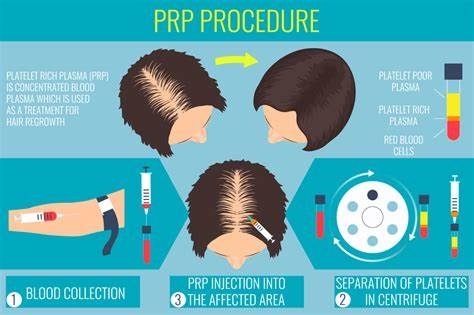
This inflammatory reaction arises when the skin comes into contact with an allergen triggering an immune response characterized by irritation or rash formation. It's essential to identify causal substances promptly for effective management across various demographics.
ROSACEA
This chronic inflammatory condition predominantly affects facial areas resulting in redness along with visible blood vessels. It often appears after the age of 30 but may go undiagnosed initially due to its subtle onset.
@- @
- Symptoms: Common signs comprise frequent flushing episodes combined with persistent redness leading sometimes onto acne-like outbreaks across affected regions.
- Triggers: Potential triggers encompass sun exposure heat stress alcohol consumption certain foods among others potentially exacerbating symptom severity over time.
- < strong Diagnostic evaluation: Diagnosis often relies upon clinical observation although additional tests could be carried out if other ailments appear similar.
- < strong Management strategies: Topical treatments incorporating agents like azelaic acid along various laser therapies prove beneficial occasionally requiring medication if more severe manifestations occur
.: / white>. . . .::
An awareness regarding rosacea facilitates more informed decisions surrounding lifestyle modifications necessary towards alleviating flare-ups fostering overall comfort
SKIN CANCER SCREENING
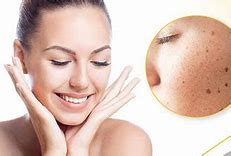
A crucial preventive measure in dermatology is regular screening for skin cancer. This involves closely examining moles and other skin conditions for any abnormal changes that could indicate malignancy.
- Screens for symptoms: Pay attention to new growths or changes in existing moles such as irregular edges or varying colors which merit further evaluation.
- Causative factors:The primary risk factors include prolonged sun exposure, tanning bed use, and family history of skin cancer among others.'
Engaging actively in screening processes allows individuals to take charge of their health while providing peace of mind regarding potential risks.
ECZEMA
Eczema refers to a group of conditions that cause the skin to become inflamed or irritated. It is particularly common in children but can affect individuals at any age.
- Symptoms: The hallmark signs are dry patches that can be red or brownish-gray in color. These areas may itch intensely or develop crusty lesions in more severe cases.
- Causes: Eczema’s origins are multifactorial involving genetic predisposition alongside environmental elements such as allergens or irritants.
- Diagnosis: Diagnosis typically involves a comprehensive assessment of medical history coupled with a physical examination by a healthcare professional.
- Treatment strategies: Options include moisturizing ointments for hydration alongside corticosteroids for managing inflammation during flare-ups.
- Your experience: Patients will likely notice varying responses based on individual triggers; therefore understanding personal patterns can help manage flare-ups effectively.
A proactive approach helps in alleviating symptoms and improving overall skin health for those with eczema.
ACNE VULGARIS
This common skin condition occurs when hair follicles become clogged with oil and dead skin cells. It often leads to pimples, blackheads, and even cysts on various parts of the body.
- Symptoms: Key indicators include whiteheads, blackheads, and inflamed spots that can be painful or tender.
- Causes: Factors such as hormonal changes, excess oil production, bacteria, and certain medications can trigger acne outbreaks.
- Diagnosis: Acne is usually diagnosed based on clinical evaluation by a healthcare provider who will assess the severity of the condition.
- Treatment options: Common treatments include topical retinoids, antibiotics for inflammation reduction, and oral medications for persistent cases.
- What to expect: With consistent care, many individuals see improvement within weeks; however, some patients may require ongoing management.
An understanding of acne's nature aids individuals in taking appropriate steps towards clearer skin.
PSORIASIS
Psoriasis is a chronic autoimmune condition that primarily affects the skin, leading to the rapid growth of skin cells. This results in thick, red patches covered with silvery scales, which can be itchy and sometimes painful.
- Symptoms: Common signs include red patches on the skin, dry and cracked skin that may bleed, and itching or burning sensations.
- Causes: While the exact cause is unknown, factors such as genetics, environmental triggers, and stress can contribute to flare-ups.
- Diagnosis: A dermatologist typically diagnoses psoriasis through a physical examination and may perform a biopsy to rule out other skin disorders.
- Treatment options: Management includes topical treatments like corticosteroids, phototherapy, and systemic medications for more severe cases.
- What to expect: With effective treatment, many patients experience significant relief from symptoms and improved quality of life.
Understanding psoriasis can empower patients to seek timely treatment and manage their condition better.