
Dr Rishab Choudh
About Me
Dr Rishab Choudh
MBBS
General Physician
Biography
My Clinic
OPD Hours
| Monday | Morning | 10:00 AM | - | 02:00 PM |
| Evening | 06:00 PM | - | 09:00 PM | |
| Tuesday | Morning | 10:00 AM | - | 02:00 PM |
| Evening | 06:00 PM | - | 09:00 PM | |
| Wednesday | Morning | 10:00 AM | - | 02:00 PM |
| Evening | 06:00 PM | - | 09:00 PM | |
| Thursday | Morning | 10:00 AM | - | 02:00 PM |
| Evening | 06:00 PM | - | 09:00 PM | |
| Friday | Morning | 10:00 AM | - | 02:00 PM |
| Evening | 06:00 PM | - | 09:00 PM | |
| Saturday | Morning | 10:00 AM | - | 02:00 PM |
| Evening | 06:00 PM | - | 09:00 PM | |
| Sunday | Morning | 10:00 AM | - | 02:00 PM |
| Evening | 06:00 PM | - | 09:00 PM |
Treatments
Specialised care and treatments offered
GASTROESOPHAGEAL REFLUX DISEASE (GERD)
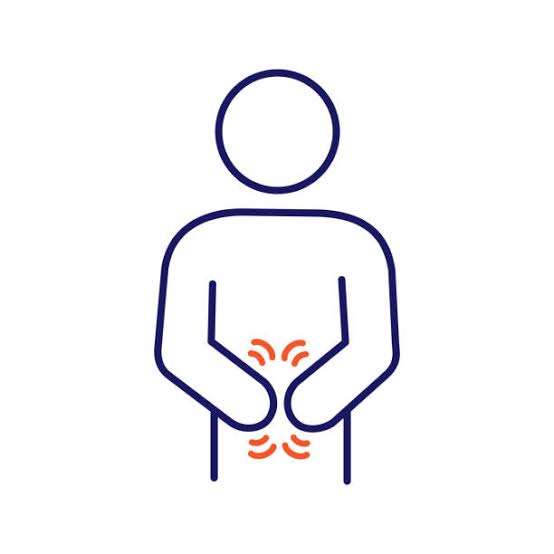
This chronic digestive disorder occurs when stomach acid frequently flows back into the esophagus leading to discomforting symptoms. Familiarity with GERD aids early intervention before complications develop.
- Primary Symptoms: Individuals commonly report persistent heartburn , regurgitation , difficulty swallowing & throat irritation after eating certain foods .
- Contributing Factors: Obesity , smoking habits & pregnancy are known contributors along with dietary choices that exacerbate reflux episodes .
- Diagnostic Tests: /Strong>/ Diagnostic evaluation typically comprises endoscopy studies if required alongside 24-hour pH monitoring techniques used specially tailored study designs .
RESPIRATORY INFECTIONS

A wide range of respiratory infections affects millions each year—from mild colds to severe pneumonia. Being informed about these infections helps individuals take timely action when symptoms arise.
- Common Causes: Viral pathogens are responsible for most cases; however bacterial infections can complicate existing viral illnesses .
- Symptoms: Typical signs include cough , fever , shortness of breath , and fatigue depending on severity .
- Diagnosis Methods : Chest X-rays , sputum tests , or CT scans may be utilized to identify underlying issues accurately .
- Management Approaches : Treatment often involves rest , hydration , antiviral drugs for viral causes , antibiotics if bacteria are suspected , alongside symptomatic relief medications .
- Preventive Measures: Vaccinations against influenza & pneumococcal diseases serve as effective prevention strategies .
Understanding respiratory infections empowers patients towards timely healthcare access while promoting preventive actions when required .
THYROID DISORDERS

The thyroid gland plays a pivotal role in regulating various body functions through hormone production. Disorders related to thyroid function can have profound effects on overall health if left untreated.
- Disease Types: Conditions such as hypothyroidism (underactive thyroid) or hyperthyroidism (overactive thyroid) present differing symptoms impacting metabolism).
- Differential Symptoms: Hypothyroidism might cause fatigue and weight gain whereas hyperthyroidism may lead to rapid weight loss or anxiety symptoms.
Timely intervention is critical as improper balance in hormone levels can adversely affect multiple systems within the body .
CHOLESTEROL MANAGEMENT
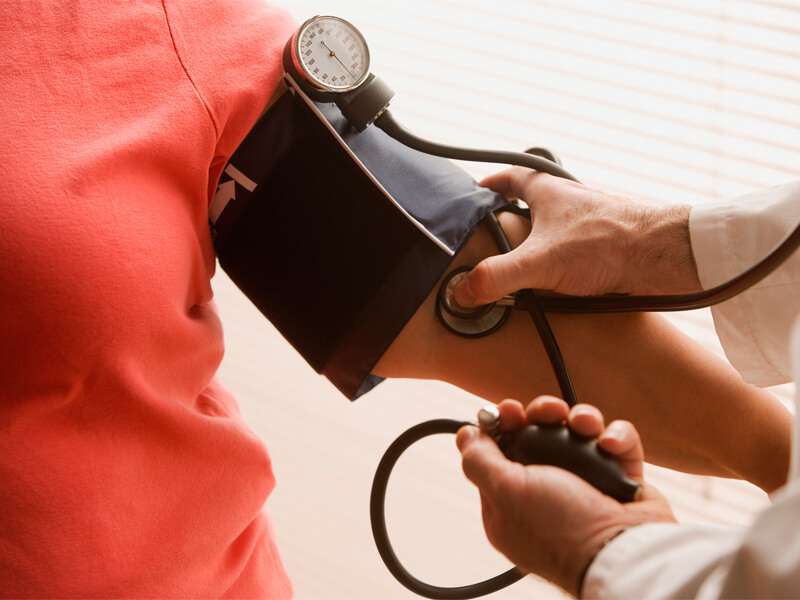
The regulation of cholesterol levels is crucial for maintaining heart health. High cholesterol often goes unnoticed until it causes severe conditions like heart attacks or strokes. Therefore, awareness of this risk factor is key.
- Causative Factors: Poor diet high in saturated fats and trans fats, lack of physical activity, smoking habits, and certain medical conditions can elevate cholesterol levels.
- Symptoms: Typically asymptomatic; however, if symptoms do arise they may include chest pain or angina due to reduced blood flow.
- Diagnosis: Cholesterol levels are evaluated through a lipid panel blood test that measures total cholesterol as well as LDL (bad) and HDL (good) cholesterol levels.
- Treatment Options: Management involves lifestyle interventions such as diet changes rich in fiber alongside possible medications like statins.
Minding your cholesterol proactively contributes significantly toward reducing cardiovascular risk factors over time.
DIABETES MELLITUS

Diabetes Mellitus is a chronic condition characterized by elevated levels of glucose in the blood. Understanding this condition is vital for long-term management and prevention of complications.
- Types: The two most common forms are Type 1 diabetes, which is usually diagnosed in children and young adults, and Type 2 diabetes, which is more prevalent among older adults.
- Symptoms: Common indicators include increased thirst, frequent urination, extreme fatigue, and blurred vision.
- Diagnosis: Diagnosis is performed through blood tests measuring glucose levels at fasting or post meals.
- Treatment Strategies: Treatment may involve dietary modifications, exercise regimens, insulin therapy for Type 1 patients, and oral medications for Type 2 diabetes management.
- Monitoring: Regular check-ups are essential for monitoring blood sugar levels and preventing long-term complications like neuropathy or cardiovascular disease.
A comprehensive understanding combined with consistent management can significantly enhance one’s health outcomes with diabetes mellitus.
HYPERTENSION

Hypertension, often termed high blood pressure, is a prevalent condition that can lead to significant health complications if not managed properly. It's essential for individuals to understand its implications and the importance of regular monitoring.
- Symptoms: Many people with hypertension may not experience noticeable symptoms initially, but over time it can lead to headaches, shortness of breath, and nosebleeds.
- Causes: Factors include genetic predisposition, poor diet (high in salt), sedentary lifestyle, obesity, and excessive alcohol consumption.
- Diagnosis: A healthcare provider typically diagnoses hypertension through multiple blood pressure readings taken at different times.
- Treatment Options: Management includes lifestyle changes such as dietary adjustments and physical activity along with medications like diuretics or ACE inhibitors when necessary.
- What to Expect: Regular follow-ups are crucial to effectively managing blood pressure and preventing potential health risks like heart disease or stroke.
A proactive approach towards monitoring and managing hypertension can vastly improve quality of life and reduce the risk of serious health issues.