
Dr Rishabh Mathu
About Me
Dr Rishabh Mathu
Cardiologist
Biography
My Clinic
OPD Hours
| Monday | Morning | 10:00 AM | - | 02:00 PM |
| Evening | 06:00 PM | - | 09:00 PM | |
| Tuesday | Morning | 10:00 AM | - | 02:00 PM |
| Evening | 06:00 PM | - | 09:00 PM | |
| Wednesday | Morning | 10:00 AM | - | 02:00 PM |
| Evening | 06:00 PM | - | 09:00 PM | |
| Thursday | Morning | 10:00 AM | - | 02:00 PM |
| Evening | 06:00 PM | - | 09:00 PM | |
| Friday | Morning | 10:00 AM | - | 02:00 PM |
| Evening | 06:00 PM | - | 09:00 PM | |
| Saturday | Morning | 10:00 AM | - | 02:00 PM |
| Evening | 06:00 PM | - | 09:00 PM | |
| Sunday | Morning | 10:00 AM | - | 02:00 PM |
| Evening | 06:00 PM | - | 09:00 PM |
Treatments
Specialised care and treatments offered
CORONARY ARTERY DISEASE PREVENTION

This type of cardiovascular disease occurs when coronary arteries become narrowed or blocked due to plaque buildup. Focused prevention strategies can significantly lower one’s risk of developing coronary artery disease (CAD).
- Risk factors: Common contributors include smoking cigarettes; high cholesterol; hypertension; diabetes; obesity; sedentary lifestyle etc., making awareness key.
- How it is diagnosed: Typically assessed through imaging studies like angiography alongside comprehensive evaluations through lipid profiles/blood glucose measurements among others.
- Preventive measures: Broadly speaking—maintain healthy body weight along with consistent exercise regime while opting for balanced diets rich in fruits/vegetables contribute greatly here!
ARRHYTHMIA ASSESSMENT
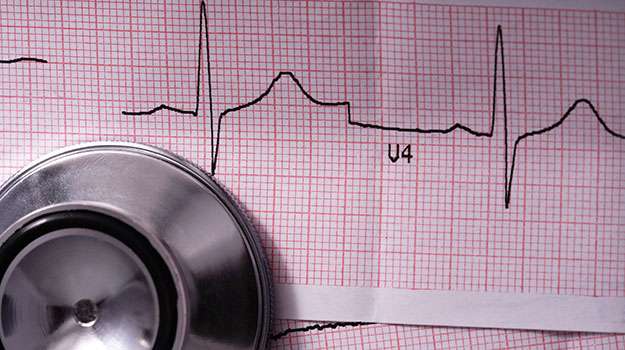
An arrhythmia represents a disruption in the normal rhythm of the heartbeat. Recognizing this condition early is crucial for determining the most effective interventions that prevent serious complications such as stroke or cardiac arrest.
- Symptoms: Common signs include palpitations (feeling like your heart is racing), dizziness, fainting spells, or shortness of breath that may warrant prompt medical advice.
- Causes: Stressful events, excessive alcohol consumption or caffeine intake can trigger episodes while underlying conditions such as thyroid problems might exacerbate them.
- Diagnosis: An ECG along with additional monitoring techniques like Holter monitors may be used for accurate assessment.
- Treatment options: Depending on severity—medications are frequently prescribed; some patients might require procedures such as catheter ablation.
HEART FAILURE MANAGEMENT
This condition occurs when the heart struggles to pump blood efficiently. Understanding heart failure allows patients to recognize its impact on daily life and seek appropriate care promptly. Managing it involves a multifaceted approach focused on improving quality of life and reducing hospitalizations.
- Affected populations: Heart failure commonly affects older adults but can arise from various conditions like high blood pressure or coronary artery disease at any age.
- Disease progression symptoms: Symptoms include persistent cough, swelling in legs/feet, fatigue with exertion, and difficulty breathing during activities or when lying down.
- Treatment strategies: Lifestyle modifications are key; medications such as diuretics and ACE inhibitors help manage symptoms effectively while reducing strain on the heart muscle.
A thorough understanding combined with adherence to treatment protocols fosters better long-term outcomes for individuals living with this condition
ELECTROCARDIOGRAM (ECG)
An electrocardiogram (ECG) is an important diagnostic tool used to evaluate heart health by measuring electrical activity. This non-invasive procedure helps detect irregularities that could indicate underlying heart conditions.
- Symptoms: Patients may experience chest pain, palpitations, or unexplained fatigue prompting the need for an ECG.
- Causes for testing: Factors such as arrhythmias or prior heart attacks may necessitate this examination to ensure proper cardiac function.
- Treatment options: Based on findings from the ECG, further tests might be required or medications prescribed to manage identified issues effectively.
- Your expectations: The procedure is quick and painless; results are typically available shortly after testing for timely decision-making regarding care pathways.
An ECG serves as a critical step in diagnosing potential heart issues early on when they can be more easily managed.
CHOLESTEROL SCREENING
Cholesterol screening is a vital preventative measure aimed at identifying unhealthy cholesterol levels which increase the risk of heart disease. Regular testing helps track your lipid profile and informs lifestyle choices for better heart health.
- Symptoms: High cholesterol typically does not present symptoms; hence screening is crucial for early detection.
- Causes: Poor dietary habits, lack of physical activity, obesity, and genetic factors play significant roles in elevated cholesterol levels.
- Diagnosis: A simple blood test measures total cholesterol, LDL (bad), HDL (good), and triglycerides levels.
- Treatment options: Depending on results, dietary modifications or medications like statins may be recommended to manage levels effectively.
- What to expect: Follow-up screenings are necessary to monitor changes and adjust treatment plans as needed over time.
A proactive approach through regular screening guides effective management of cholesterol levels for long-term cardiovascular health.
HYPERTENSION MANAGEMENT
Hypertension, or high blood pressure, is a common condition that can lead to serious health complications if left untreated. It often presents without noticeable symptoms, making regular monitoring essential. Understanding hypertension can empower patients in managing their health effectively.
- Symptoms: Most individuals do not experience any symptoms, but severe cases may result in headaches, shortness of breath, or nosebleeds.
- Causes: Factors include genetics, poor diet, obesity, lack of physical activity, and chronic stress.
- Diagnosis: Blood pressure is measured using a sphygmomanometer during routine check-ups. Additional tests may be conducted to assess overall cardiovascular health.
- Treatment options: Lifestyle changes such as improved diet and exercise are recommended. Medications may also be prescribed to help control blood pressure levels.
- What to expect: With consistent management and follow-up appointments, many patients can maintain healthy blood pressure and reduce the risk of heart disease.
Early detection and proactive management are key in preventing complications associated with hypertension.