
Dr Rishi Sharma
About Me
Dr Rishi Sharma
MD
Cardiologist
Biography
My Clinic
OPD Hours
| Monday | Morning | 10:00 AM | - | 02:00 PM |
| Evening | 06:00 PM | - | 09:00 PM | |
| Tuesday | Morning | 10:00 AM | - | 02:00 PM |
| Evening | 06:00 PM | - | 09:00 PM | |
| Wednesday | Morning | 10:00 AM | - | 02:00 PM |
| Evening | 06:00 PM | - | 09:00 PM | |
| Thursday | Morning | 10:00 AM | - | 02:00 PM |
| Evening | 06:00 PM | - | 09:00 PM | |
| Friday | Morning | 10:00 AM | - | 02:00 PM |
| Evening | 06:00 PM | - | 09:00 PM | |
| Saturday | Morning | 10:00 AM | - | 02:00 PM |
| Evening | 06:00 PM | - | 09:00 PM | |
| Sunday | Morning | 10:00 AM | - | 02:00 PM |
| Evening | 06:00 PM | - | 09:00 PM |
Treatments
Specialised care and treatments offered
LIPID PROFILE TEST

A Lipid Profile Test measures levels of cholesterol and triglycerides in the blood. It's crucial for assessing one's risk of developing cardiovascular diseases like stroke and heart attack.
- Symptoms: Often conducted even when there are no symptoms; however, individuals with a family history of high cholesterol should get tested more frequently.
- Diagnosis: Blood samples are collected after fasting for accurate results involving total cholesterol and specific lipid fractions including HDL and LDL cholesterol levels.
- Treatment/Management: Based on results from this test; doctors provide dietary recommendations or prescribe medications aimed at managing lipid levels effectively.
- What to Expect: Results usually take 1-2 days; careful monitoring enables proactive preventative measures against potential risks associated with abnormal lipid levels.
This simple yet effective blood test empowers individuals towards healthier choices concerning their cardiovascular wellbeing through regular follow-ups based on outcomes obtained during evaluations!
CARDIAC CATHETERIZATION
This minimally invasive procedure allows doctors to examine how blood moves through the heart. Through catheter placement in blood vessels, essential information regarding coronary artery condition can be gathered quickly.
- Symptoms: Patients are generally advised this procedure if they report severe chest discomfort or significant risk factors for coronary artery disease.
- Diagnosis: A specialized dye is injected during catheterization so that X-ray imaging can reveal blockages within coronary arteries.
- Treatment/Management: Depending on findings from this procedure, options may include angioplasty or stenting to correct any blockages.
- What to Expect: Typically requiring only a short recovery period post-procedure; patients can resume normal activities fairly quickly unless otherwise instructed by their doctor.
The insights gained from cardiac catheterization aid significantly in developing timely treatment plans aimed at enhancing overall cardiovascular health.
HOLTER MONITOR
A Holter Monitor is a portable device used to continuously record your heart's rhythms for 24-48 hours. It provides detailed insights into how your heart functions throughout daily activities.
- Symptoms: This monitor is often recommended for individuals experiencing unexplained palpitations or irregular heartbeat patterns.
- Diagnosis: The monitor captures data over time, allowing physicians to identify arrhythmias that might not appear during a standard ECG.
- Treatment/Management: Following analysis, doctors can suggest necessary lifestyle changes or medications tailored to your specific cardiac findings.
Your participation in wearing the Holter Monitor significantly aids in evaluating your cardiovascular condition accurately and effectively over time.
STRESS TEST
A Stress Test measures how well your heart functions under physical stress. It is instrumental in assessing cardiovascular fitness and detecting coronary artery disease.
- Symptoms: Patients may undergo this test if they have exertional discomfort such as chest pain or severe fatigue during physical activities.
- Diagnosis: During the test, you will walk on a treadmill while your heart rate and rhythm are monitored closely.
- Treatment/Management: Based on results, lifestyle modifications or specific medications might be recommended for better heart health.
- What to Expect: This test typically lasts about 15-30 minutes; some patients might experience temporary fatigue but most feel fine afterward.
The stress test is an effective way to understand how well your heart copes with increased demands placed by exercise or stress situations.
ECHOCARDIOGRAM
An Echocardiogram is an ultrasound examination that visualizes the heart's structure and function. It plays an essential role in diagnosing various heart conditions by providing images of the heart’s chambers and valves.
- Symptoms: Healthcare providers often recommend this test for patients with symptoms like shortness of breath or unexplained chest pain.
- Diagnosis: The procedure uses sound waves to create moving images of your heart, which helps detect abnormalities.
- Treatment/Management: Results guide treatment strategies, which could involve medication management or surgical interventions if necessary.
- What to Expect: The test is safe with no radiation exposure; it usually lasts around 30-60 minutes.
This test provides invaluable information for understanding potential heart issues and planning appropriate care strategies.
ELECTROCARDIOGRAM (ECG)
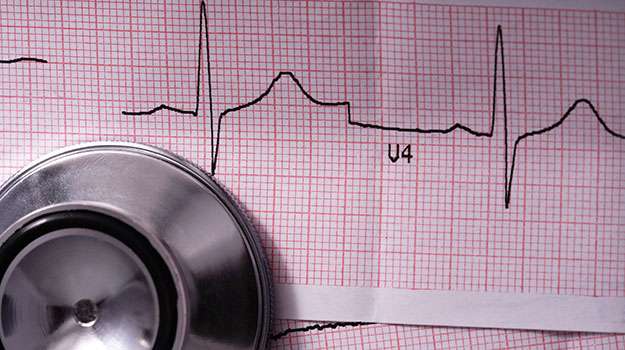
An Electrocardiogram, commonly known as an ECG, is a diagnostic test that monitors the electrical activity of the heart. This non-invasive procedure provides crucial information regarding heart rhythm and can help in identifying various cardiac conditions.
- Symptoms: Patients may experience irregular heartbeats, chest pain, or fatigue.
- Diagnosis: An ECG is performed by placing electrodes on the skin to record electrical signals.
- Treatment/Management: Depending on the findings, treatment options may include lifestyle changes, medications, or further investigations.
- What to Expect: The procedure is painless and typically takes about 10 minutes; results are usually available shortly after.
Understanding your heart's electrical activity through an ECG can help in making informed decisions regarding your health and treatment options.