Dr Rita Modi
About Me
Dr Rita Modi
DM
Gynecologist
10 Years Experience
Biography
My Clinic
OPD Hours
| Monday | Morning | 10:00 AM | - | 02:00 PM |
| Evening | 06:00 PM | - | 09:00 PM | |
| Tuesday | Morning | 10:00 AM | - | 02:00 PM |
| Evening | 06:00 PM | - | 09:00 PM | |
| Wednesday | Morning | 10:00 AM | - | 02:00 PM |
| Evening | 06:00 PM | - | 09:00 PM | |
| Thursday | Morning | 10:00 AM | - | 02:00 PM |
| Evening | 06:00 PM | - | 09:00 PM | |
| Friday | Morning | 10:00 AM | - | 02:00 PM |
| Evening | 06:00 PM | - | 09:00 PM | |
| Saturday | Morning | 10:00 AM | - | 02:00 PM |
| Evening | 06:00 PM | - | 09:00 PM | |
| Sunday | Morning | 10:00 AM | - | 02:00 PM |
| Evening | 06:00 PM | - | 09:00 PM |
Treatments
Specialised care and treatments offered
OVARIAN CYSTS
Ovarian cysts are fluid-filled sacs on the ovaries commonly occurring during reproductive years. Most cysts are benign and symptom-free but some may produce discomfort requiring attention depending on size or type!
- The majority arise from normal ovarian function but complications like ruptures might happen leading to sharp pains or internal bleeding which necessitates medical evaluation promptly!
- Disease diagnosis generally relies on pelvic examinations complemented by imaging techniques such as ultrasounds which visualize cyst characteristics accurately!
- Treatments vary widely: certain cysts require no action; others necessitate hormonal therapy while larger problematic ones might need surgical intervention if they cause persistent issues!
Regular follow-ups ensure proper ovarian health management—maintaining awareness aids early detection & management
INTRAUTERINE DEVICE (IUD) INSERTION
An IUD is a small T-shaped device inserted into the uterus to prevent pregnancy. This form of long-term contraception is popular among women seeking effective birth control without daily attention.
- The procedure typically involves a quick office visit where an examination ensures proper placement—a process that takes only minutes under sterile conditions!
- Pain is usually minimal; however, mild cramps can occur immediately after insertion but generally subside quickly afterward.
- IUDs come in hormonal varieties that also reduce menstrual bleeding as well as copper types offering non-hormonal options for those who prefer them.
This reliable method allows women peace of mind regarding unplanned pregnancies while also addressing other menstrual concerns effectively!
FIBROIDS
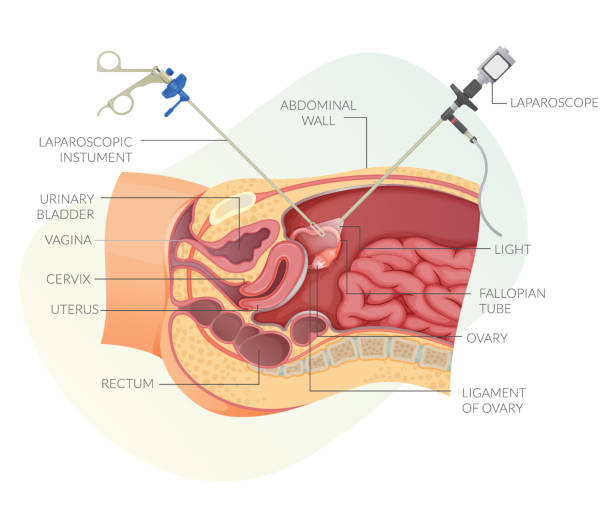
Uterine fibroids are non-cancerous growths that can develop in or on a woman's uterus. While they are common in women of childbearing age, many experience minimal symptoms.
- Symptoms may range from heavy bleeding and prolonged periods to pressure in the pelvic cavity leading to discomfort or frequent urination.
- A pelvic exam along with imaging tests like ultrasounds help in diagnosing fibroids effectively.
- Treatment options could include monitoring for smaller fibroids or more active interventions like medication for symptom relief; surgical options are available if necessary for larger fibroids causing significant problems.
An informed approach allows women to make decisions about managing their health concerning fibroids optimally.
MENOPAUSE MANAGEMENT
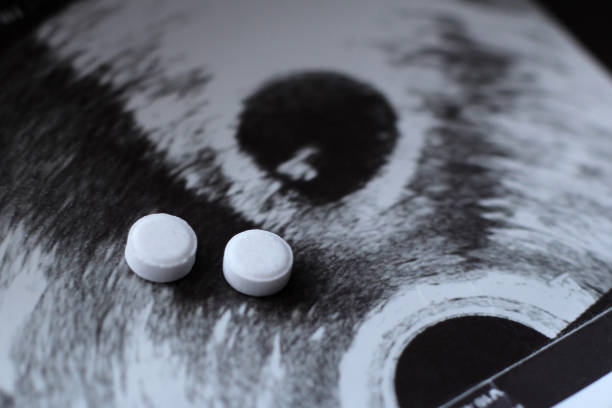
Menopause marks the end of a woman's reproductive years, signified by the cessation of menstrual periods. It typically occurs between ages 45-55 but can vary widely among individuals.
- Common symptoms include hot flashes, night sweats, mood changes, and vaginal dryness due to decreased hormone levels.
- A thorough evaluation including medical history and symptom assessment helps in understanding menopause's impact on health.
- Management strategies may involve lifestyle modifications, hormone replacement therapy (HRT), or non-hormonal treatments tailored to relieve specific symptoms.
- Women should expect ongoing discussions about health concerns that arise during this transitional phase which may include bone density monitoring and heart health considerations.
Appropriate management can enhance quality of life during this natural transition.
ENDOMETRIOSIS

This painful condition occurs when tissue similar to the lining inside the uterus grows outside it. Endometriosis affects many women during their reproductive years and can lead to severe discomfort.
- Common symptoms include chronic pelvic pain, especially during menstruation, painful intercourse, and infertility issues.
- Diagnosis often involves pelvic exams, ultrasounds, or laparoscopic surgery to confirm the presence of endometrial-like tissue.
- Treatment approaches may range from pain relief medication to hormonal therapies designed to reduce or eliminate menstruation.
- Surgery might be necessary in severe cases to remove endometrial growths or adhesions.
Timely diagnosis is crucial for managing symptoms effectively and improving overall reproductive health.
POLYCYSTIC OVARY SYNDROME (PCOS)

Polycystic Ovary Syndrome (PCOS) is a common hormonal disorder affecting women of reproductive age. It often leads to various health issues, including irregular menstrual cycles and fertility challenges.
- Symptoms may include weight gain, excessive hair growth, and acne.
- The condition is commonly diagnosed through blood tests that assess hormone levels and ultrasound imaging of the ovaries.
- Treatment options may involve lifestyle changes such as diet and exercise, hormonal contraceptives for cycle regulation, and medications to manage insulin levels.
- Women with PCOS can expect regular monitoring and a tailored management plan that addresses their specific symptoms.
Early diagnosis and intervention can greatly improve the quality of life for those affected by PCOS.