
Dr Ritu Agarwal
About Me
Dr Ritu Agarwal
MBBS
General Physician
Biography
My Clinic
OPD Hours
| Monday | Morning | 10:00 AM | - | 02:00 PM |
| Evening | 06:00 PM | - | 09:00 PM | |
| Tuesday | Morning | 10:00 AM | - | 02:00 PM |
| Evening | 06:00 PM | - | 09:00 PM | |
| Wednesday | Morning | 10:00 AM | - | 02:00 PM |
| Evening | 06:00 PM | - | 09:00 PM | |
| Thursday | Morning | 10:00 AM | - | 02:00 PM |
| Evening | 06:00 PM | - | 09:00 PM | |
| Friday | Morning | 10:00 AM | - | 02:00 PM |
| Evening | 06:00 PM | - | 09:00 PM | |
| Saturday | Morning | 10:00 AM | - | 02:00 PM |
| Evening | 06:00 PM | - | 09:00 PM | |
| Sunday | Morning | 10:00 AM | - | 02:00 PM |
| Evening | 06:00 PM | - | 09:00 PM |
Treatments
Specialised care and treatments offered
COMMON COLD
The common cold is a viral infection affecting the upper respiratory tract. It's highly contagious but usually self-limiting without needing extensive medical treatment beyond symptomatic relief measures In fact understanding its nature aids significantly in effective home care practices
- Symptoms: Patients experience sneezing sore throat cough nasal congestion low-grade fever mild body aches fatigue which gradually resolve within about one week
- Causes: < / strength For instance Rhinoviruses predominately drive illness transmission; additionally heightened environmental exposures boost vulnerability during colder months / Strong>/ STRONG>/
- / / How it's Diagnosed :< I=set measurements focused on symptom history typically informs diagnoses ; laboratory testing plays little role into routine evaluations
SEASONAL ALLERGIES

The changing seasons often bring about various allergic reactions due to exposure to pollen from trees grasses & weeds. Managing seasonal allergies helps enhance overall quality of life especially during peak seasons like spring & fall
- Symptoms: Affected individuals commonly report sneezing runny nose itchy eyes nasal congestion fatigue headaches among others
- Causes: This arises primarily from environmental allergens including mold spores animal dander dust mites pollens from outdoor plants
- Diagnosis: Allergy testing via skin prick tests typically confirms triggers while thorough patient histories guide the diagnostic process
- Treatment/Management: Avoidance measures targeting specific allergens alongside antihistamines decongestants inhaled steroids provide relief; desensitization therapies also exist
- What To Expect: Through appropriate identification & management strategies will lessen symptom severity improving daily functioning throughout affected periods
Your healthcare provider can assist you in developing personalized plans tailored towards resilience against allergy flare-ups leading towards optimal wellness year-round!
GASTROESOPHAGEAL REFLUX DISEASE (GERD)
This digestive disorder occurs when stomach acid frequently flows back into the esophagus. Understanding GERD can help minimize its impact on daily life through effective management strategies.
- Symptoms: Key indicators include persistent heartburn after meals or when lying down alongside regurgitation of food or sour liquid.
- Causal Factors: Obesity, pregnancy, certain foods (spicy or fatty), smoking habits and some medications increase susceptibility to this condition.
- The Diagnosis Process:A healthcare professional may recommend an upper endoscopy or pH monitoring tests for confirmation of GERD diagnosis based on symptomatic history
- Treatment / Management: Lifestyle adjustments such as dietary changes combined with antacids or proton pump inhibitors serve as primary treatment methods.
- What To Expect: For many individuals following these recommendations leads to improved quality of life by alleviating symptoms effectively over time
Regular follow-up visits ensure ongoing assessment & optimization of treatment tailored specifically around patient needs.
ASTHMA
Asthma is a chronic respiratory condition that causes periodic episodes of wheezing, breathlessness, chest tightness, and coughing. Prompt intervention can help control symptoms effectively.
- Symptoms: Symptoms vary but commonly manifest as shortness of breath during physical activity or at night along with prolonged coughing spells.
- Causes: Triggers include allergens (like pollen or dust mites), respiratory infections, cold air exposure, smoke inhalation, or heavy exercise.
- Diagnosis: Pulmonary function tests assess lung capacity; a health history review provides clues about triggers and symptom patterns.
- Treatment/Management: Treatment involves bronchodilators for quick relief during attacks and corticosteroids for long-term control. Avoiding triggers plays a key role in prevention.
- What to Expect: With appropriate management strategies in place tailored to individual needs, asthma can be well-controlled allowing for an active lifestyle.
A continuous discussion with your physician ensures optimal control of your asthma symptoms over time.
DIABETES MELLITUS
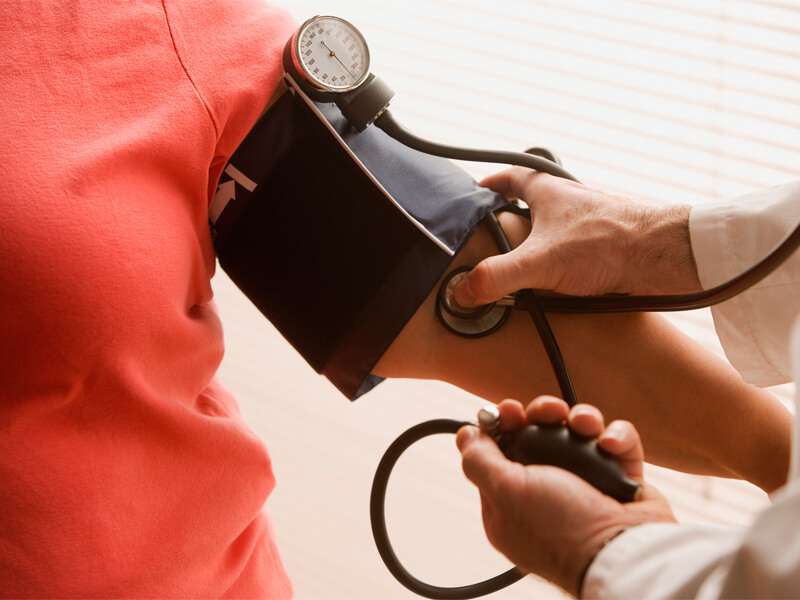
Diabetes mellitus is a metabolic disorder characterized by high blood sugar levels due to inadequate insulin production or resistance. Understanding diabetes is vital for effective management.
- Symptoms: Common signs include frequent urination, increased thirst and hunger, fatigue, blurred vision, and slow wound healing.
- Causes: Type 1 diabetes typically has an autoimmune origin, while Type 2 is associated with obesity and lifestyle factors.
- Diagnosis: Blood tests measuring fasting glucose levels or HbA1c are employed to confirm the diagnosis.
- Treatment/Management: Management includes dietary control, regular exercise, blood sugar monitoring, and possibly insulin therapy or oral medications for Type 2 diabetes.
- What to Expect: With the right support and education on managing the condition, individuals can lead healthy lives despite having diabetes.
Your proactive approach in managing diabetes can significantly reduce risks of long-term complications.
HYPERTENSION
Hypertension, commonly known as high blood pressure, is a serious condition that can lead to significant health issues if left untreated. It often develops over many years and may not present noticeable symptoms initially.
- Symptoms: Many individuals experience headaches, dizziness, or nosebleeds; however, these symptoms are not specific and most people do not experience any at all until complications arise.
- Causes: Factors include genetic predisposition, obesity, sedentary lifestyle, excessive salt intake, and high-stress levels.
- Diagnosis: Blood pressure is measured using a sphygmomanometer during routine check-ups. Persistent readings of 130/80 mmHg or higher indicate hypertension.
- Treatment/Management: Management may involve medication such as diuretics or ACE inhibitors along with lifestyle modifications like dietary changes and increased physical activity.
- What to Expect: Regular monitoring is essential for management. With proper treatment and adherence to prescribed regimens, individuals can effectively manage their condition.
It's crucial to address hypertension early to prevent complications like heart disease or stroke.