
Dr Ritu Gupta-Gy
About Me
Dr Ritu Gupta-Gy
MBBS
General Physician
10 Years Experience
Biography
My Clinic
OPD Hours
| Monday | Morning | 10:00 AM | - | 02:00 PM |
| Evening | 06:00 PM | - | 09:00 PM | |
| Tuesday | Morning | 10:00 AM | - | 02:00 PM |
| Evening | 06:00 PM | - | 09:00 PM | |
| Wednesday | Morning | 10:00 AM | - | 02:00 PM |
| Evening | 06:00 PM | - | 09:00 PM | |
| Thursday | Morning | 10:00 AM | - | 02:00 PM |
| Evening | 06:00 PM | - | 09:00 PM | |
| Friday | Morning | 10:00 AM | - | 02:00 PM |
| Evening | 06:00 PM | - | 09:00 PM | |
| Saturday | Morning | 10:00 AM | - | 02:00 PM |
| Evening | 06:00 PM | - | 09:00 PM | |
| Sunday | Morning | 10:00 AM | - | 02:00 PM |
| Evening | 06:00 PM | - | 09:00 PM |
Treatments
Specialised care and treatments offered
THYROID FUNCTION TESTS
Evolving thyroid disorders can significantly influence metabolism, energy levels, and overall health. Thyroid function tests play an essential role in diagnosing these conditions accurately.
ANNUAL FLU VACCINATION

The annual flu vaccination is vital for safeguarding against influenza viruses that circulate prominently each season. Immunization helps protect not only individuals but also communities by preventing outbreaks.
- Error! Not Found.: The vaccine is designed to stimulate an immune response without causing illness while providing protection against several strains predicted for the upcoming flu season.
CHOLESTEROL MANAGEMENT

The management of cholesterol levels is key in reducing heart disease risks. Elevated cholesterol can lead to arterial blockages resulting in serious cardiovascular issues over time.
- Monitoring Levels: A lipid panel blood test measures total cholesterol as well as LDL (bad) cholesterol and HDL (good) cholesterol levels in the body.
- Causative Factors: Poor dietary choices high in saturated fats, lack of physical activity, and genetic predisposition contribute significantly to elevated levels.
- Treatment Options: Interventions range from lifestyle modifications—such as adopting a healthier diet rich in omega-3 fatty acids—to medications aiming at lowering LDL levels when necessary.
- Expected Outcomes: Regular follow-ups will help track improvements towards achieving recommended cholesterol goals over time based on initial test results.
Through dedicated efforts in managing cholesterol levels, patients greatly enhance their chances for a healthier heart and longevity in life expectancy.
PREVENTIVE HEALTH CHECK-UPS
Regular preventive health check-ups are vital for maintaining good health and preventing diseases. These visits allow doctors to assess your overall well-being before any problems arise.
- Importance: Preventive visits can identify risk factors for chronic conditions like heart disease or cancer early on.
- Components: Check-ups generally include a physical examination along with routine blood work and screenings appropriate for age and gender.
- Recommendations: Based on your family history and lifestyle choices, doctors may suggest vaccinations or screenings tailored to your health needs.
- Your Role: Engage actively in discussions about personal concerns or early symptoms you may notice during your check-up visit.
A commitment to regular check-ups empowers patients by promoting early intervention strategies that can extend lifespans significantly.
DIABETES SCREENING

Diabetes screening is essential for early detection and management of diabetes mellitus, a chronic condition impacting how the body processes glucose. Early diagnosis can significantly reduce the risk of severe complications.
- Symptoms: Early-stage diabetes may show no symptoms; however, increased thirst, frequent urination, and fatigue are common signs in advanced stages.
- Diagnosis: Testing typically involves fasting blood glucose tests or A1C tests which provide an average blood sugar level over three months.
- Treatment: Lifestyle changes including dietary adjustments, physical activity increase, and medication when necessary are critical for management.
- What to Expect: Regular monitoring and specific dietary guidance will be crucial parts of managing your health effectively.
Participating in recommended screenings fosters proactive health management and improves overall quality of life.
HYPERTENSION MANAGEMENT
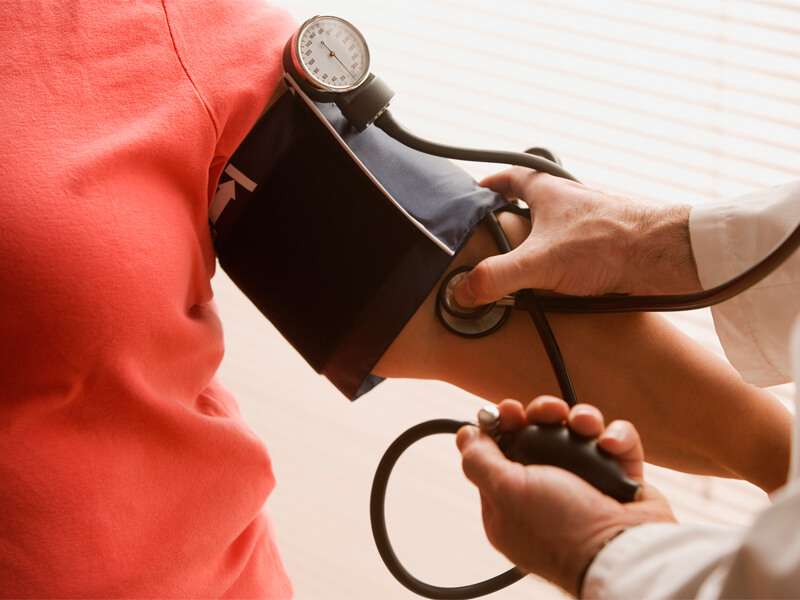
Hypertension, or high blood pressure, is a common condition that can lead to serious health issues if not managed properly. It often develops over many years and may not present symptoms until it causes complications.
- Symptoms: Many individuals experience no noticeable symptoms; however, some may report headaches or nosebleeds.
- Diagnosis: Blood pressure is measured using a sphygmomanometer during medical check-ups, ensuring accurate readings at different times.
- Treatment: Management includes lifestyle changes such as diet modification, regular exercise, and possibly medication to help control blood pressure levels.
- What to Expect: Regular monitoring and follow-up appointments will be necessary to adjust treatment plans based on individual response.
With proper management, those with hypertension can lead healthy lives and reduce the risk of heart disease and stroke.