
Dr Rk Anand
About Me
Dr Rk Anand
Pediatrician
Biography
My Clinic
OPD Hours
| Tuesday | Morning | 10:00 AM | - | 02:00 PM |
| Evening | 06:00 PM | - | 09:00 PM | |
| Wednesday | Morning | 10:00 AM | - | 02:00 PM |
| Evening | 06:00 PM | - | 09:00 PM | |
| Thursday | Morning | 10:00 AM | - | 02:00 PM |
| Evening | 06:00 PM | - | 09:00 PM | |
| Friday | Morning | 10:00 AM | - | 02:00 PM |
| Evening | 06:00 PM | - | 09:00 PM | |
| Saturday | Morning | 10:00 AM | - | 02:00 PM |
| Evening | 06:00 PM | - | 09:00 PM | |
| Sunday | Morning | 10:00 AM | - | 02:00 PM |
| Evening | 06:00 PM | - | 09:00 PM | |
| Thursday | Morning | 10:00 AM | - | 02:00 PM |
| Evening | 06:00 PM | - | 09:00 PM |
Treatments
Specialised care and treatments offered
BRONCHIOLITIS

This respiratory infection mainly affects infants and toddlers aged under two years old. It's caused by inflammation of small airways (bronchioles) usually due to viruses like RSV (respiratory syncytial virus).
- Symptoms: Symptoms often start similarly resembling those of a cold before progressing rapidly into wheezing noises while breathing along with fast-paced respirations ; noticeable distress should warrant urgent attention .
- Causes: Mostly viral infections spread through respiratory droplets encourage transmission among young populations during colder months .
- Diagnosis: A careful assessment identifying history plus physical examination alongside pulse oximetry checks aid determination needing further observation if necessary based on clinical severity level observed .
- Treatment Options: Supportive measures remain key including ensuring comfort via humidified air , keeping hydrated throughout duration ; additional oxygen therapy sometimes required depending upon individual oxygen levels monitored closely under medical supervision at pediatric units.
- What To Expect: The majority recuperate without complication although follow-up post-recovery remains insightful addressing preventive strategies against re-infections moving forward ensuring optimal future respiratory health!
DEHYDRATION

This occurs when a child loses more fluids than they take in. It's particularly common following episodes of diarrhea or vomiting during illnesses like gastroenteritis.
- Symptoms: Look out for dry mouth/tongue , decreased urination , lethargy , irritable behavior , skin that doesn’t bounce back when pinched .
- Causes: Illnesses causing fluid loss , excessive sweating , not drinking enough fluids .
- Diagnosis: Physicians assess clinical signs alongside history regarding fluid intake/output patterns .
- Treatment Options: Treatment typically involves rehydration protocols ; oral rehydration solutions effective unless severe dehydration dictates IV fluids .
- What To Expect : With timely management , recovery occurs swiftly ; educate families about hydration needs especially during illness .
A proactive approach ensures proper hydration levels maintaining overall health status!
ALLERGIC RHINITIS

This allergic condition affects many children and causes sneezing, itching, runny nose, among other symptoms. It occurs when the immune system overreacts to allergens like pollen or dust mites.
- Symptoms: Symptoms include nasal congestion, itchy eyes/nose/throat which can significantly impact daily activities such as school performance due to discomfort.
Pediatric care focused on these aspects helps empower families coping with allergies!
GASTROENTERITIS
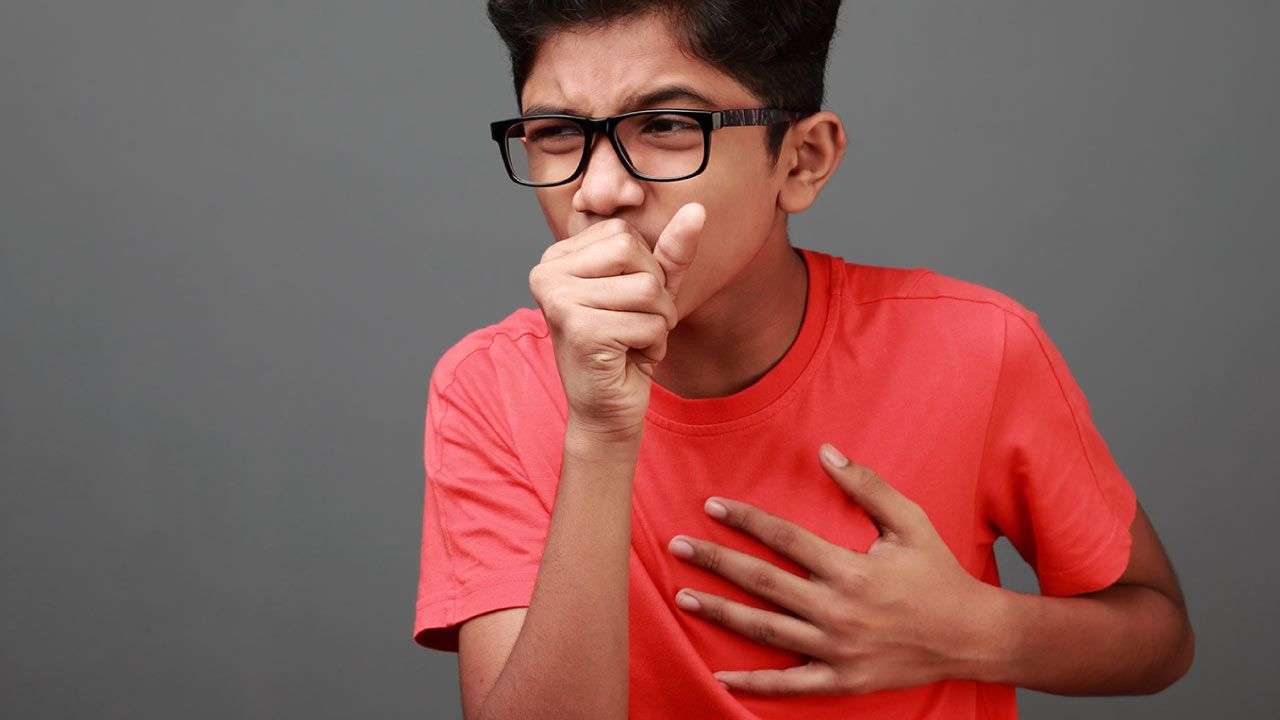
This condition refers to inflammation of the stomach and intestines leading to diarrhea and vomiting. It is commonly caused by viral infections but can also stem from bacterial pathogens or parasites.
- Symptoms: Typical signs include watery diarrhea, abdominal pain, nausea, and potentially fever.
- Causes: Often due to contaminated food/water or close contact with infected individuals; rotavirus and norovirus are frequent viral causes in young children.
- Diagnosis: Diagnosis primarily relies on clinical evaluation but may involve stool tests if severe symptoms persist.
- Treatment Options: Focus on hydration through oral rehydration solutions; medications may be used for symptomatic relief but are not always necessary.
- What to Expect: Most infants recover within a few days without complications; however, attention is needed regarding dehydration risks in younger patients.
A thorough understanding aids parents in managing their child's recovery effectively!
PNEUMONIA
Pneumonia is an infection that inflames the air sacs in one or both lungs. It can result from bacteria, viruses, or fungi and can range from mild to severe in pediatric cases.
- Symptoms: Symptoms may include cough, fever, chills, fatigue, and difficulty breathing.
- Causes: Infections from respiratory viruses or bacteria like Streptococcus pneumoniae are common culprits in children.
- Diagnosis: Diagnosis often involves a physical examination along with chest X-rays and blood tests to identify the cause of the infection.
- Treatment Options: Antibiotics may be prescribed for bacterial pneumonia; supportive care includes fluids and fever management.
- What to Expect: Most children recover fully with prompt treatment but may require monitoring for potential complications.
Efficacious intervention leads to favorable outcomes even in severe cases.
ASTHMA
Asthma is a chronic condition that affects the airways, making it difficult for children to breathe. It can often be triggered by allergens, infections, or environmental factors.
- Symptoms: Common indicators include wheezing, coughing, shortness of breath, and chest tightness.
- Causes: Asthma can be influenced by genetic factors as well as exposure to irritants such as smoke or pollution.
- Diagnosis: A healthcare professional typically conducts a physical exam and may recommend lung function tests or allergy testing.
- Treatment Options: Management includes the use of inhalers, medications to reduce inflammation, and developing an action plan for asthma attacks.
- What to Expect: While asthma is manageable, children may experience exacerbations during certain times of the year or when exposed to specific triggers.
With appropriate care and monitoring, children with asthma can lead active lives.