
Dr RK Gakkher
About Me
Dr RK Gakkher
MS
Orthopaedic Surgeons
10 Years Experience
Biography
My Clinic
OPD Hours
| Monday | Morning | 10:00 AM | - | 02:00 PM |
| Evening | 06:00 PM | - | 09:00 PM | |
| Tuesday | Morning | 10:00 AM | - | 02:00 PM |
| Evening | 06:00 PM | - | 09:00 PM | |
| Wednesday | Morning | 10:00 AM | - | 02:00 PM |
| Evening | 06:00 PM | - | 09:00 PM | |
| Thursday | Morning | 10:00 AM | - | 02:00 PM |
| Evening | 06:00 PM | - | 09:00 PM | |
| Friday | Morning | 10:00 AM | - | 02:00 PM |
| Evening | 06:00 PM | - | 09:00 PM | |
| Saturday | Morning | 10:00 AM | - | 02:00 PM |
| Evening | 06:00 PM | - | 09:00 PM | |
| Sunday | Morning | 10:00 AM | - | 02:00 PM |
| Evening | 06:00 PM | - | 09:00 PM |
Treatments
Specialised care and treatments offered
ROTATOR CUFF INJURY
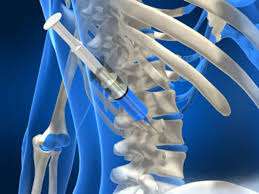
This common shoulder injury affects several tendons surrounding the shoulder joint providing stability & movement! Most athletes experience some degree at point during their careers when playing overhead sports regularly .
- Symptoms manifest as weakness while lifting objects + persistent shoulder pain that might worsen at night !
- Causes could originate separately from chronic wear-and-tear or sudden injuries leading up these scenarios .
- < diagnosing professionals check via assessments + possible imaging scans accordingly based on findings assessing extent involved !
- < Treatment entails conservative management incorporating specific rehab plans focusing strength-building involving key shoulder muscles aiding stability over time while preventing further strains occurring - even surgical consultations being limited should less invasive remedies fail completely towards resolution desired goals instead!
BURSITIS
Bursitis refers to inflammation of the bursa—a small fluid-filled sac reducing friction between tissues. This condition commonly affects joints but can occur anywhere in the body due to various factors!
- The primary symptoms> include swelling around joints along with increased warmth & tenderness in certain areas upon palpation—definitely worth noticing!
- Common causes may involve repetitive stress from sports activities , certain medical conditions , or injury-related incidents causing inflammation .
- Diagnosis usually proceeds through careful evaluation including patient history reviews + possibly imaging tests if severe cases arise .
- Treatment options focus mainly on reducing inflammation & pain using rest , ice packs , anti-inflammatory medications , indication for therapy as needed !
With proper care , most individuals see notable improvements fairly quickly once adjustments take place .
CARPAL TUNNEL SYNDROME

This situation arises when the median nerve gets compressed inside the wrist's carpal tunnel. Carpal Tunnel Syndrome can interfere with hand function if not addressed promptly.
- Main symptoms: tingling sensations or numbness that radiates into fingers—often affecting thumb and first three fingers—can signal this issue!
- The causes, such as repetitive wrist movements or conditions like diabetes can increase risk factors here!
- A comprehensive diagnosis, including symptom review plus possible nerve conduction studies helps confirm severity levels affecting treatment choices ahead!
- Treatment hinges on ergonomic adjustments at workspaces alongside wrist splint use at night; corticosteroid injections may also relieve symptoms quickly when needed!
PLANTAR FASCIITIS

This common foot ailment occurs when the plantar fascia—a band of tissue connecting the heel bone to the toes—becomes inflamed. Regularly walking or standing on hard surfaces can exacerbate this painful condition.
- Main symptoms include sharp heel pain during first steps in the morning or after long periods of inactivity.
- The causes often stem from high-impact activities, being overweight, or structural problems with the foot’s arch.
- A detailed diagnosis, including physical examination and patient history review ensures appropriate treatment directions are taken based on individual circumstances.
- Treatment commonly includes stretching exercises for the calf muscles and plantar fascia along with orthotic devices for better support while walking or exercising.
- The expected outcome generally involves gradual symptom relief with adherence to recommended therapies over time!
A dedicated plan significantly enhances recoveries from this irritating condition.
TENDONITIS

Tendonitis is an inflammation of a tendon often caused by repetitive motion or overuse. This condition can lead to significant discomfort and limit daily activities.
- The most common symptoms include localized pain, tenderness, and swelling near the affected tendon.
- This condition frequently occurs in athletes or individuals engaged in repetitive tasks due to its causes, which can include injuries or aging.
- A thorough diagnosis typically involves physical examinations complemented by imaging techniques if necessary.
- Treatment usually consists of rest, ice application, physical therapy exercises tailored to strengthen surrounding muscles, and anti-inflammatory medications.
- Pain management strategies aim for a gradual return to normal activities while minimizing strain on the tendon during recovery.
Persistent attention can lead to successful rehabilitation in most cases.
OSTEOARTHRITIS

Osteoarthritis is a degenerative joint condition that affects millions of people worldwide. It results from the gradual wear and tear of cartilage, leading to pain, stiffness, and decreased mobility.
- Symptoms include joint pain, swelling, and a reduced range of motion.
- Causes may involve age, previous injuries, obesity, and genetic factors.
- Diagnosis is often made through physical exams and imaging tests like X-rays or MRIs.
- Treatment options focus on pain management and include physical therapy, weight management, medications such as NSAIDs, and lifestyle modifications.
- What to expect: Many patients experience improved quality of life with these non-surgical approaches, allowing them to manage symptoms effectively.
This condition requires a proactive approach to maintain joint function over time.