
Dr RK Mathur Best
About Me
Dr RK Mathur Best
MBBS
General Physician
Biography
My Clinic
OPD Hours
| Monday | Morning | 10:00 AM | - | 02:00 PM |
| Evening | 06:00 PM | - | 09:00 PM | |
| Tuesday | Morning | 10:00 AM | - | 02:00 PM |
| Evening | 06:00 PM | - | 09:00 PM | |
| Wednesday | Morning | 10:00 AM | - | 02:00 PM |
| Evening | 06:00 PM | - | 09:00 PM | |
| Thursday | Morning | 10:00 AM | - | 02:00 PM |
| Evening | 06:00 PM | - | 09:00 PM | |
| Friday | Morning | 10:00 AM | - | 02:00 PM |
| Evening | 06:00 PM | - | 09:00 PM | |
| Saturday | Morning | 10:00 AM | - | 02:00 PM |
| Evening | 06:00 PM | - | 09:00 PM | |
| Sunday | Morning | 10:00 AM | - | 02:00 PM |
| Evening | 06:00 PM | - | 09:00 PM |
Treatments
Specialised care and treatments offered
GENERAL HEALTH CHECK-UPS
A general health check-up plays a crucial role in preventive care by identifying potential health issues before they become serious problems. Regular check-ups help maintain optimal health across all ages.
- Common components include assessments of blood pressure levels , cholesterol checks , glucose testing where appropriate alongside comprehensive physical examinations .
- These evaluations provide valuable insight into one's current state even without noticeable symptoms being present .
- Screenings allow healthcare providers identify risks relating particularly age-based conditions affecting heart disease , diabetes , cancers etc significantly impacting individual lifespan & wellness .
- Recommendations made after checkup may address lifestyle modifications enhancing overall well-being & longevity .
- Follow-ups suggested based upon results ensure continuous tracking improving proactive approach toward managing future risks .
Engaging regularly in yearly checkups fosters long-standing relationships between patients assisting them attain healthier longer lives throughout various stages life journey .
SEASONAL ALLERGIES

Seasonal allergies affect individuals when exposed to allergens in their environment like pollen from trees or grass. Recognizing these triggers is essential for effective management during peak seasons.
- The common signs include sneezing, itchy eyes/nose/throat, runny nose, and fatigue following exposure to allergens in spring or fall seasons.
- A thorough evaluation of allergy history combined with diagnostic tests like skin prick tests helps confirm specific allergens triggering reactions in patients.
- Treatment often includes antihistamines for relief from symptoms alongside preventive measures such as avoiding known allergens whenever possible.
- Immunotherapy may also be considered for long-term relief through controlled exposure over time.
- Understanding personal allergen triggers empowers patients towards better management strategies leading up to allergy season.
Managing seasonal allergies greatly improves daily comfort during months when symptom exacerbation occurs due exposure environmental factors specific periods throughout year.
GASTROESOPHAGEAL REFLUX DISEASE (GERD)
Gastroesophageal reflux disease (GERD) is a long-term condition where stomach acid flows back into the esophagus. This backflow can cause significant discomfort if not addressed properly.
- Main symptoms include persistent heartburn, regurgitation of sour liquid, difficulty swallowing, and chest pain during meals or at night.
- A healthcare provider diagnoses GERD through patient history assessment along with possible endoscopy or pH monitoring studies to evaluate esophagus acidity levels.
- Treatment strategies focus on lifestyle changes like avoiding trigger foods alongside over-the-counter antacids or prescription medications as needed.
- Chronic cases might require surgical interventions such as fundoplication if more conservative measures fail.
- Patients are advised to monitor sym ptoms diligently for effective management.
Addressing GERD early enhances quality of life by reducing uncomfortable symptoms and preventing long-term damage to the esophagus.
ACUTE RESPIRATORY INFECTIONS
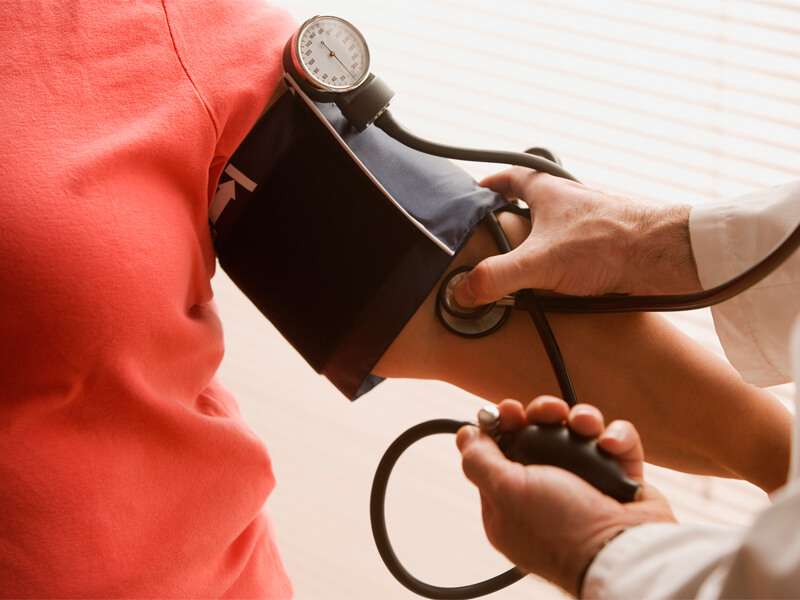
Acute respiratory infections are prevalent illnesses that affect the upper or lower respiratory tract. These infections can range from mild colds to severe pneumonia requiring medical attention.
- Common symptoms of respiratory infections include cough, sore throat, runny nose, fever, and chills which vary based on severity and type of infection.
- The diagnosis often relies on medical history evaluation along with a physical examination; tests may include x-rays or sputum cultures when needed.
- Treatment may involve rest, hydration, antivirals or antibiotics depending on whether the infection is viral or bacterial.
- Pneumonia vaccines can be an important preventive measure for at-risk populations such as older adults or those with pre-existing conditions.
- Recovery expectations vary; while most recover within a week or two, ongoing symptoms may necessitate additional follow-up care.
A proactive approach in managing acute respiratory infections ensures quicker recovery and lowers the risk of complications.
DIABETES MANAGEMENT
Diabetes is a chronic condition that affects how the body processes glucose and can lead to serious health issues if not effectively managed. Understanding diabetes is crucial for maintaining health.
- The primary symptoms include increased thirst, frequent urination, fatigue, and blurred vision associated with high blood sugar levels.
- A diagnosis typically involves blood tests, including fasting glucose levels and HbA1c assessments to determine average blood sugar over time.
- Treatment options include dietary changes, exercise routines, insulin therapy, or oral medications tailored to the individual's needs.
- Monitoring blood sugar levels regularly helps in identifying patterns and making necessary adjustments in treatment plans.
- Patients are encouraged to participate in educational programs about diabetes management for improved outcomes and quality of life.
An informed approach leads to better control over diabetes and reduces risks associated with the condition.
HYPERTENSION
Hypertension, commonly known as high blood pressure, is a significant health concern that affects many individuals. It can lead to severe complications if not properly managed.
- Symptoms may include headaches, shortness of breath, or nosebleeds; however, many individuals remain asymptomatic.
- The condition is typically diagnosed through blood pressure readings, with readings above 130/80 mmHg considered high.
- Treatment options often involve lifestyle changes such as diet modifications, increased physical activity, and medications when necessary.
- Management includes regular monitoring and adherence to prescribed therapies to maintain healthy blood pressure levels.
- Patients can expect ongoing support and education on lifestyle adjustments to control their hypertension effectively.
Proper management of hypertension is essential for preventing heart disease and stroke, making awareness and treatment vital for overall health.