
Dr Rks Homeopathi
About Me
Dr Rks Homeopathi
MD
Dermatologist
Biography
My Clinic
OPD Hours
| Monday | Morning | 10:00 AM | - | 02:00 PM |
| Evening | 06:00 PM | - | 09:00 PM | |
| Tuesday | Morning | 10:00 AM | - | 02:00 PM |
| Evening | 06:00 PM | - | 09:00 PM | |
| Wednesday | Morning | 10:00 AM | - | 02:00 PM |
| Evening | 06:00 PM | - | 09:00 PM | |
| Thursday | Morning | 10:00 AM | - | 02:00 PM |
| Evening | 06:00 PM | - | 09:00 PM | |
| Friday | Morning | 10:00 AM | - | 02:00 PM |
| Evening | 06:00 PM | - | 09:00 PM | |
| Saturday | Morning | 10:00 AM | - | 02:00 PM |
| Evening | 06:00 PM | - | 09:00 PM | |
| Sunday | Morning | 10:00 AM | - | 02:00 PM |
| Evening | 06:00 PM | - | 09:00 PM |
Treatments
Specialised care and treatments offered
CONTACT DERMATITIS ASSESSMENT
This condition arises when the skin reacts after exposure to specific substances. Identifying triggers through proper assessment leads to better management strategies and prevents recurrence of symptoms.
- Common Symptoms: Redness, itching; blisters may develop upon sustained exposure or sensitivity reaction.
- Diagnostic Tests: Patch testing identifies allergens responsible for triggering reactions prevalent among patients with contact dermatitis.
- Management Plans: Treatment focuses primarily on avoiding triggers combined with topical corticosteroids or antihistamines for irritation relief.
Understanding contact dermatitis ensures effective avoidance strategies while alleviating unnecessary distress from recurring episodes enabling patients’ optimal health outcomes moving forward!
ACNE SCARRING TREATMENT
Acne scarring occurs following inflammatory acne episodes and varies widely in appearance from person to person. Addressing these scars can restore both appearance and confidence levels significantly.
- Causative Factors: Picking at acne lesions often exacerbates scarring while deep cystic acne typically leaves more severe marks behind.
- Diagnosis Criteria: Dermatologists rely on visual inspection; sometimes additional imaging techniques are utilized for assessment.
- Treatment Alternatives: Options include laser therapy, chemical peels and microneedling which help rejuvenate the skin’s surface.
- Expected Outcomes: Improvement patterns depend on individual response but many experience smoother texture after several sessions.
Effective management strategies tailored specifically to different types of scars provide hope toward achieving clearer skin over time.
MELANOMA SCREENING
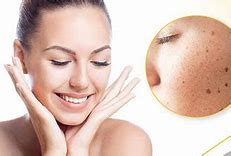
Melanoma screening is vital for early detection of this potentially deadly form of skin cancer. Regular checks help catch changes in moles or new growths early on when they are most treatable.
- Screens Include: Dermatologists evaluate existing moles using ‘ABCDE’ criteria: Asymmetry, Border irregularity, Color variations, Diameter greater than 6mm, Evolution over time.
- Symptoms to Watch For: Changes in size, shape or color of moles are warning signs that require immediate attention.
- The Diagnostic Process: Visual examinations are supplemented with dermatoscopic imaging for more detailed evaluations of suspicious lesions.
A melanoma screening program increases awareness and encourages individuals to seek help when necessary. Early action can save lives!
SKIN BIOPSY
A skin biopsy is a medical procedure in which a small sample of skin is removed for laboratory analysis. This is crucial for diagnosing various skin conditions accurately.
- Purpose: It's often used to investigate suspicious moles or rashes that may indicate malignancy or other dermatological issues.
- Diverse Methods: Techniques include excisional biopsy (removing an entire lesion) or punch biopsy (using a circular tool).
- Anesthesia Used: Local anesthesia ensures that patients feel minimal discomfort during the procedure.
- The Results Process: Pathologists analyze samples under a microscope; results typically take a few days to weeks depending on urgency.
This diagnostic tool plays an essential role in determining the right course of treatment based on accurate findings from the biopsy results.
ECZEMA
Eczema, or atopic dermatitis, is an inflammatory skin condition characterized by itchy, inflamed patches of skin. It often appears in childhood but can affect individuals at any age.
- Causes: Factors such as genetics, environmental triggers (like pollen), and stress can exacerbate eczema symptoms.
- Symptoms: Commonly presents as red, dry patches that may ooze or crust over during flare-ups.
- Diagnosis: Diagnosis is usually made through clinical examination and history taking. Patch testing may be performed if an allergic cause is suspected.
- Treatment strategies: Moisturizers, topical steroids, and lifestyle modifications are commonly utilized to manage the condition effectively.
A personalized treatment plan is essential for controlling eczema and reducing its impact on daily life.
PSORIASIS
Psoriasis is a chronic autoimmune condition that results in the rapid growth of skin cells, leading to thick, red patches covered with white scales. This not only affects the skin but can also lead to psychological distress due to its visible symptoms.
- Symptoms: Common signs include red patches, dry skin, and itching that can range from mild to severe.
- Diagnosis: Health professionals typically perform a physical examination and may order a biopsy to confirm the diagnosis.
- Treatment options: Management can include topical treatments, phototherapy, and systemic medications depending on severity.
- What to expect: While there may be periods of flare-ups followed by remission, effective management can significantly improve quality of life.
Understanding psoriasis is crucial for effective treatment. A comprehensive approach can help manage the symptoms and reduce flare-ups.