
DR ROHINI’S SKIN
About Me
DR ROHINI’S SKIN
MD
Dermatologist
10 Years Experience
Biography
My Clinic
OPD Hours
| Monday | Morning | 10:00 AM | - | 02:00 PM |
| Evening | 06:00 PM | - | 09:00 PM | |
| Tuesday | Morning | 10:00 AM | - | 02:00 PM |
| Evening | 06:00 PM | - | 09:00 PM | |
| Wednesday | Morning | 10:00 AM | - | 02:00 PM |
| Evening | 06:00 PM | - | 09:00 PM | |
| Thursday | Morning | 10:00 AM | - | 02:00 PM |
| Evening | 06:00 PM | - | 09:00 PM | |
| Friday | Morning | 10:00 AM | - | 02:00 PM |
| Evening | 06:00 PM | - | 09:00 PM | |
| Saturday | Morning | 10:00 AM | - | 02:00 PM |
| Evening | 06:00 PM | - | 09:00 PM | |
| Sunday | Morning | 10:00 AM | - | 02:00 PM |
| Evening | 06:00 PM | - | 09:00 PM |
Treatments
Specialised care and treatments offered
MELANOMA
Melanoma is a serious form of skin cancer that develops from melanocytes—the cells responsible for pigment production. Although less common than other types of skin cancer it poses significant risks due primarily due its aggressive nature if detected late
- Early signs include changing moles irregular borders color variations likely itchiness indicating malignant transformation occurring within affected area/.
- The diagnosis requires careful examination potentially followed by biopsy confirming malignancy whilst assessing depth staging levels crucial determining treatment plan moving ahead/.
- Options available entail surgical excision immunotherapy targeted therapies aimed combating advanced stages providing opportunities enhancing survivorship outcomes overall./
- Regular follow-up visits play pivotal role monitoring recurrences ensuring optimal surveillance preventing future developments metastatic spread potential.!
Early detection remains key advantage facilitating successful interventions keeping patients hopeful future possibilities despite darkness surrounding this disease!/
SKIN INFECTIONS
Skin infections result from bacteria, viruses or fungi invading compromised areas of the skin. Conditions such as cellulitis or impetigo are common examples where immediate attention may be required due to risk of complications from untreated infections
- Symptoms vary widely including redness swelling pain warmth at infected site fever possibly lymph node involvement/.
- Diagnosis involves thorough assessment along with cultures when appropriate aiding targeted treatment choice./
- Treatment could range from topical antibiotics for superficial infections requiring oral antibiotics hospitalization if systemic illness develops./
- Preventative measures focus on practicing good hygiene avoiding sharing personal items then promptly addressing any suspicious wounds cuts/ .
- For those prone towards recurrent infections seeking preventive strategies alongside consistency within self-care routines becomes essential managing health risks moving forward./
With timely intervention most infections resolve effectively restoring healthy vibrant appearance back onto one’s skin once again!
ACNE VULGARIS
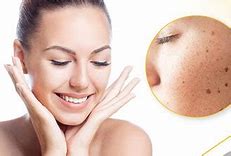
Acne vulgaris is one of the most common dermatological conditions affecting adolescents but can persist into adulthood. It occurs when hair follicles become clogged with oil and dead skin cells leading to pimples and larger cysts. Hormonal changes play a significant role in its development
- The condition typically presents as blackheads, whiteheads, papules, pustules, nodules, or cysts on various areas including the face back and shoulders.
- A dermatologist diagnoses acne through clinical examination; additional tests may be warranted if secondary issues are suspected.
- Treatment consists of topical retinoids for mild cases while antibiotics or hormonal therapy may be required for moderate-to-severe presentations.
- In-office procedures such as chemical peels or laser therapy might also be beneficial in managing persistent scars post-acne healing.
- Patients should expect gradual improvement by following prescribed regimens consistently over time.
Effective treatment not only targets active lesions but also prevents future breakouts leading towards clearer skin long term.
CONTACT DERMATITIS
Contact dermatitis occurs when the skin reacts after being exposed to substances that cause irritation or an allergic reaction. Common culprits include certain soaps, cosmetics, metals, or plants like poison ivy. Symptoms usually manifest shortly after exposure.
- Main signs are redness, itching, and swelling at the site of contact; blisters may develop in more severe cases.
- The diagnosis typically involves reviewing patient history regarding potential exposures along with a physical examination by a dermatologist.
- Treatment generally consists of avoiding the irritant or allergen and using topical steroid creams to alleviate inflammation.
- If blisters form or if there’s extensive involvement, oral steroids may be necessary for effective management.
- Persistent cases could require further evaluation or referral for allergy testing to identify specific triggers more accurately.
A proactive approach in identifying irritants can significantly reduce recurrences of contact dermatitis in susceptible individuals.
ECZEMA
Eczema is an inflammatory skin condition that causes redness, itching, and discomfort. It often appears in childhood but can occur at any age. The exact cause is not fully understood but it is believed to involve genetic factors as well as environmental triggers.
- The primary symptom is dry, itchy skin which can become swollen or cracked if scratched.
- A healthcare provider diagnoses eczema based on the appearance of the skin and discussing medical history; patch testing may identify specific triggers.
- Treatment typically involves moisturizers to keep the skin hydrated and topical corticosteroids to reduce inflammation during flare-ups.
- Long-term management strategies include avoiding known irritants or allergens that trigger episodes and maintaining a consistent skincare routine.
- Many patients find that symptoms improve significantly with appropriate care and lifestyle adjustments.
Recognizing triggers early can help manage this lifelong condition effectively.
PSORIASIS
Psoriasis is a chronic skin condition characterized by the rapid growth of skin cells that leads to scaling on the skin's surface. This autoimmune disorder can affect any part of the body, but is most commonly found on the elbows, knees, and scalp.
- Symptoms include red patches of skin covered with thick, silvery scales, itching, and discomfort.
- The condition is diagnosed through a physical examination and medical history; sometimes a biopsy may be performed for confirmation.
- Treatment options range from topical treatments like corticosteroids to systemic medications and phototherapy for more severe cases.
- Management focuses on minimizing symptoms, preventing flare-ups, and improving the quality of life for affected individuals.
- Patients can expect variability in their condition, with periods of remission and flares; it's important to adhere to treatment plans.
With proper management, individuals with psoriasis can lead fulfilling lives without being overly hindered by their symptoms.