
Dr Rohini Gupta
About Me
Dr Rohini Gupta
MD
Dermatologist
Biography
My Clinic
OPD Hours
| Monday | Morning | 10:00 AM | - | 02:00 PM |
| Evening | 06:00 PM | - | 09:00 PM | |
| Tuesday | Morning | 10:00 AM | - | 02:00 PM |
| Evening | 06:00 PM | - | 09:00 PM | |
| Wednesday | Morning | 10:00 AM | - | 02:00 PM |
| Evening | 06:00 PM | - | 09:00 PM | |
| Thursday | Morning | 10:00 AM | - | 02:00 PM |
| Evening | 06:00 PM | - | 09:00 PM | |
| Friday | Morning | 10:00 AM | - | 02:00 PM |
| Evening | 06:00 PM | - | 09:00 PM | |
| Saturday | Morning | 10:00 AM | - | 02:00 PM |
| Evening | 06:00 PM | - | 09:00 PM | |
| Sunday | Morning | 10:00 AM | - | 02:00 PM |
| Evening | 06:00 PM | - | 09:00 PM |
Treatments
Specialised care and treatments offered
MELASMA
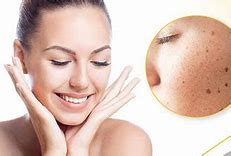
This common skin disorder manifests as dark patches on the face due to an overproduction of melanin often triggered by hormonal changes or sun exposure. Melasma mostly affects women but can also appear in men.
ECZEMA
Eczema is an inflammatory skin condition known for causing dry, itchy patches on the skin. It often starts during childhood but can persist into adulthood or appear later in life.
- Symptoms: Symptoms typically include red inflamed patches on areas such as hands, feet, inside elbows or behind knees that may become cracked or oozy when scratched.
- Causes: The exact cause remains unclear but it’s thought to involve a combination of genetic predisposition and environmental triggers including allergens or irritants.
- Diagnosis: A dermatologist diagnoses eczema through patient history and visual assessment; sometimes allergy tests are conducted for underlying triggers.
- Treatment options: Treatment generally focuses on hydrating creams, steroid ointments for inflammation control, and immunomodulators for more persistent cases.
- 5th bullet point -sdsdsdsdsd `{ "\a\b\ }"} -{ >}
PSORIASIS
Psoriasis is a chronic autoimmune condition that results in rapid skin cell growth leading to scaling on the skin's surface. This condition commonly affects the joints as well as the skin itself.
- Symptoms: Common symptoms include red patches covered with thick silvery scales which may be itchy or painful. The condition often affects areas like elbows, knees, and scalp.
- Causes: Psoriasis is believed to be influenced by genetic factors along with environmental triggers such as stress or infections.
- Diagnosis: Diagnosis typically involves a physical examination of the affected areas; sometimes a biopsy might be performed for clarity.
- Treatment options: Options range from topical ointments to systemic medications and phototherapy depending on severity. Lifestyle changes can also play a role in managing flare-ups.
- What to expect: While there is no cure for psoriasis, treatments aim at controlling symptoms and reducing flare-ups significantly over time with regular follow-up care.
A comprehensive treatment approach tailored by a specialist can lead to effective management of this lifelong condition.
ACNE
Acne is a common skin condition that can affect individuals of all ages, primarily adolescents and young adults. It occurs when hair follicles become clogged with oil and dead skin cells, leading to the formation of pimples, blackheads, and cysts.
- Symptoms: The primary symptoms include the appearance of various types of lesions on the face, back, and shoulders. These can range from mild comedones to severe cystic acne.
- Causes: Factors contributing to acne include hormonal changes, excess oil production, bacteria, and inflammation.
- Diagnosis: A dermatologist can diagnose acne based on a clinical examination of the skin. In some cases, further evaluation may be necessary to rule out other conditions.
- Treatment options: Management may include topical treatments, oral medications like antibiotics or hormonal treatments, and in severe cases, therapies such as Accutane or laser treatments.
- What to expect: While treatment can lead to significant improvements in skin appearance over time, it may take several weeks to see noticeable changes. Consistency in following treatment regimens is crucial for successful outcomes.
With appropriate care and management strategies, individuals can achieve clearer skin and regain confidence.