
Dr Rohinis Skin
About Me
Dr Rohinis Skin
M.Ch
Plastic Surgeon or Cosmetic Surgeon
10 Years Experience
Biography
My Clinic
OPD Hours
| Monday | Morning | 10:00 AM | - | 02:00 PM |
| Evening | 06:00 PM | - | 09:00 PM | |
| Tuesday | Morning | 10:00 AM | - | 02:00 PM |
| Evening | 06:00 PM | - | 09:00 PM | |
| Wednesday | Morning | 10:00 AM | - | 02:00 PM |
| Evening | 06:00 PM | - | 09:00 PM | |
| Thursday | Morning | 10:00 AM | - | 02:00 PM |
| Evening | 06:00 PM | - | 09:00 PM | |
| Friday | Morning | 10:00 AM | - | 02:00 PM |
| Evening | 06:00 PM | - | 09:00 PM | |
| Saturday | Morning | 10:00 AM | - | 02:00 PM |
| Evening | 06:00 PM | - | 09:00 PM | |
| Sunday | Morning | 10:00 AM | - | 02:00 PM |
| Evening | 06:00 PM | - | 09:00 PM |
Treatments
Specialised care and treatments offered
LIPOSUCTION
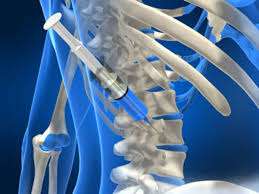
Liposuction is a body contouring technique that removes localized fat deposits resistant to diet and exercise. It enhances silhouette definition on areas such as abdomen, thighs, hips, arms, or neck regions through suction-assisted fat extraction.
- Indications : Best suited for patients near ideal body weight but struggling with isolated pockets of fatty tissue.
- Evaluation : Physical examination assesses skin quality elasticity ensuring adequate retraction capability post-fat removal.
- Surgical approach : Various liposuction modalities exist including tumescent technique where fluid infiltration minimizes bleeding alongside cannula aspiration.
- Post-operative care : Compression garments help reduce swelling; gradual return to daily activities advised over several weeks for optimal outcomes.
Liposuction provides effective sculpting results enhancing body proportions while emphasizing the importance of maintaining stable weight thereafter for lasting benefit.
BOTULINUM TOXIN THERAPY

This non-surgical treatment uses botulinum toxin injections to temporarily smooth wrinkles caused by repetitive muscle movements. It is highly effective in treating frown lines, crow's feet, and forehead creases among others.
- Mechanism : The toxin blocks nerve signals causing muscle contraction leading to temporary relaxation of targeted muscles responsible for dynamic wrinkles.
- Procedure details : Injections are quick outpatient procedures requiring minimal discomfort without downtime.
- Duration of effects : Results typically last 3-6 months after which repeat treatments maintain wrinkle reduction.
- Safety considerations : When administered by trained professionals targeting precise muscle groups adverse effects are rare.
- Patient suitability : Ideal candidates desiring subtle improvement without invasive surgery benefit most from this therapy.
Botulinum toxin therapy offers a convenient anti-aging option complementing surgical approaches especially useful for early prevention of wrinkle formation.
FACELIFT (RHYTIDECTOMY)

A facelift is a surgical intervention designed to reduce visible signs of aging on the face and neck. It works by tightening sagging skin and underlying tissues to provide a more youthful contour.
- Aging signs addressed: Common issues include jowls formation, deep nasolabial folds, loose neck skin, and loss of jawline definition.
- Candidacy determination: Good candidates have good skin elasticity without significant medical contraindications for surgery anesthesia tolerance evaluated prior to operation.
- Surgical execution: Incisions are usually made near hairlines extending around ears allowing access for lifting muscles & removing excess fat/skin safely while preserving nerve function.
- Recovery timeline: Bruising/swelling subside primarily within 2–3 weeks; final aesthetic results appear gradually as tissues settle over months post-procedure.
The facelift offers a long-lasting rejuvenation solution helping patients regain facial vitality in a natural manner under expert surgical care standards.
SCAR REVISION SURGERY

This procedure focuses on improving or minimizing the appearance of scars resulting from injury, surgery, or skin conditions. Scar revision aims to make scars less noticeable and more aligned with surrounding skin texture and color.
- Understanding scar types: Scars may be hypertrophic, keloid, atrophic, or contracture types depending on healing patterns.
- Assessment process: The surgeon evaluates scar location, size, depth, and patient's skin type before planning treatment options.
- Surgical methods: Techniques involve excision of old scar tissue followed by meticulous wound closure; sometimes combined with laser therapy or steroid injections.
- Your role in recovery: Following post-op instructions carefully including sun protection helps optimize healing outcomes.
This surgery can boost confidence by reducing disfigurement caused by problematic scars through individualized treatment plans.
BREAST AUGMENTATION

Breast augmentation is a popular cosmetic surgery designed to increase breast size or restore volume lost after weight reduction or pregnancy. This intervention aims to enhance self-confidence and body proportion.
- Candidacy factors: Suitable candidates are generally healthy individuals with realistic expectations about the outcomes.
- Preoperative evaluation: Includes medical history review, breast examination, and imaging if necessary to rule out underlying pathology.
- Surgical technique: Implants can be silicone or saline placed under breast tissue or chest muscles through discreet incisions.
- Post-surgery care: Patients usually experience soreness and swelling that diminish over several weeks with proper wound care and activity restrictions advised by the surgeon.
The goal of breast augmentation is not only aesthetic improvement but also achieving natural-looking results tailored uniquely to each patient’s anatomy.
RHINOPLASTY

Rhinoplasty is a surgical procedure aimed at reshaping the nose to improve its appearance or functionality. It is commonly sought for cosmetic reasons as well as to correct breathing difficulties caused by structural defects.
- Causes and indications: Patients may seek rhinoplasty due to congenital nasal deformities, trauma, or dissatisfaction with nasal size and shape.
- Diagnosis: A thorough facial analysis including photographic assessment and sometimes imaging studies helps evaluate nasal structure before surgery.
- Treatment approach: Surgery involves modifying bone, cartilage, and soft tissue under general or local anesthesia based on the complexity.
- Recovery expectations: Swelling and bruising are common initially; most patients resume normal activities within two weeks, though full results evolve gradually over months.
- Risks and benefits: While typically safe when performed by qualified surgeons, potential complications can include infection, bleeding, or asymmetry requiring revision.
This procedure can significantly enhance facial harmony while addressing functional nasal concerns through precise surgical techniques.