
Dr Rohit Kaku
About Me
Dr Rohit Kaku
Internal Medicine
Biography
My Clinic
OPD Hours
| Tuesday | Morning | 10:00 AM | - | 02:00 PM |
| Evening | 06:00 PM | - | 09:00 PM | |
| Wednesday | Morning | 10:00 AM | - | 02:00 PM |
| Evening | 06:00 PM | - | 09:00 PM | |
| Thursday | Morning | 10:00 AM | - | 02:00 PM |
| Evening | 06:00 PM | - | 09:00 PM | |
| Friday | Morning | 10:00 AM | - | 02:00 PM |
| Evening | 06:00 PM | - | 09:00 PM | |
| Saturday | Morning | 10:00 AM | - | 02:00 PM |
| Evening | 06:00 PM | - | 09:00 PM | |
| Sunday | Morning | 10:00 AM | - | 02:00 PM |
| Evening | 06:00 PM | - | 09:00 PM | |
| Thursday | Morning | 10:00 AM | - | 02:00 PM |
| Evening | 06:00 PM | - | 09:00 PM |
Treatments
Specialised care and treatments offered
PREVENTATIVE HEALTH CHECK-UPS
A preventive health check-up focuses on assessing overall wellness before issues arise. These routine examinations play an integral part in maintaining long-term health by identifying risks early on.
Medicationhesitancycanbetracedbacktothelevelsinformationreceivedinitiallypriorperformancecheckupsmanagementtoolsworkingwithprovidersguaranteeoptimalself-managementtechniques.”
Decreasedriskdevelopingtreatmentsareaccomplishedbybeingdiligentteamtofulfillcompassionatecaretowardswellbeingperceptioncardsclients.
.
COLON CANCER SCREENING
Cancer prevention strategies often focus on early detection methods such as colon cancer screening. This approach helps diagnose potential cancers at an earlier stage when treatment is more effective Monitoring through timely screenings serves as an invaluable tool against potential cancers among various demographics within adults.
THYROID FUNCTION TESTS
The thyroid gland plays a vital role in regulating many bodily functions through hormone production. Thyroid function tests can reveal if it is working properly or if there are underlying conditions affecting its performance.
- Symptoms: Hypothyroidism may cause fatigue or weight gain whereas hyperthyroidism might lead to weight loss and increased heart rate.
- The Causes: Autoimmune diseases can trigger thyroid dysfunction; moreover stress and iodine intake play roles too.
- If diagnosed: A simple blood test measures Thyroid-Stimulating Hormone (TSH) along with T3 and T4 hormones for comprehensive insights into thyroid activity.
- Treatment: Depending on the diagnosis; options include medication or radioactive iodine therapy followed by regular monitoring.
- What to Expect: Patients need consistent follow-up evaluations post-treatment to ensure hormonal balance.
Awareness of thyroid health allows for better energy regulation and metabolic function in daily life.
LIPID PROFILE TESTING
Lipid profile testing measures the levels of various types of fats in your blood. It provides important information about heart health and risk for cardiovascular disease.
- Symptoms: There are typically no symptoms associated with abnormal lipid levels until serious complications arise.
- Causes: High cholesterol can be influenced by diet, physical inactivity, and genetic factors.
- Diagnosis: A simple blood test assesses total cholesterol, LDL, HDL, and triglycerides levels.
- Treatment: Approaches may involve dietary changes, physical activity increases, and medication for more severe cases.
- What to Expect: Routine follow-ups allow tracking of cholesterol levels over time to assess treatment effectiveness.
This test is crucial in identifying individuals at elevated risk for heart disease before problems develop. Regular screening should be part of your health maintenance plan.
DIABETES SCREENING
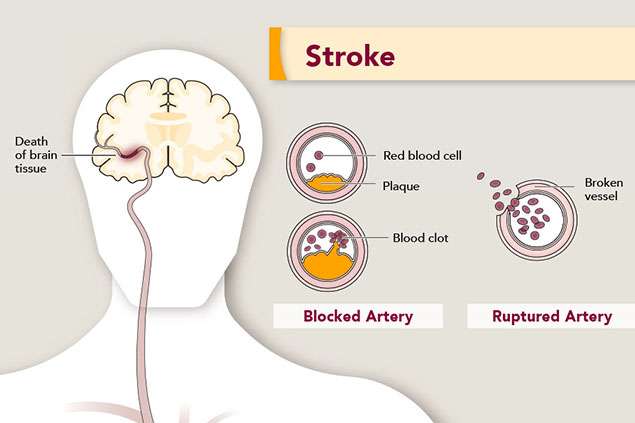
Diabetes is a chronic condition that arises when the body cannot effectively utilize insulin. Early detection through screenings is vital to manage diabetes effectively and prevent complications.
- Symptoms: Increased thirst, frequent urination, fatigue and blurred vision can be indicative of diabetes.
- Causes: Risk factors include family history, excessive weight, and sedentary lifestyle.
- Diagnosis: Blood tests such as fasting glucose levels help determine your risk for diabetes.
- Treatment: Management includes lifestyle modifications along with medications to maintain normal blood sugar levels.
- What to Expect: Continued monitoring is necessary to ensure blood sugar remains within target ranges.
A proactive approach through regular screenings helps in catching diabetes early and managing it effectively to lead a healthier life.
HYPERTENSION MANAGEMENT
Hypertension, or high blood pressure, is often called the 'silent killer' because it usually has no symptoms but can lead to serious health issues. Monitoring your blood pressure and understanding its impact on overall health are crucial steps in managing this condition.
- Symptoms: Many individuals experience no symptoms, making regular screening essential.
- Causes: Factors include genetics, high salt intake, obesity, and lack of physical activity.
- Diagnosis: Blood pressure readings over multiple visits confirm hypertension.
- Treatment: Options involve lifestyle changes such as diet and exercise, alongside medications as necessary.
- What to Expect: Regular follow-up appointments to monitor progress and adjust treatment plans accordingly.
Catching hypertension early can prevent complications like heart attack or stroke. Work with a healthcare provider for optimal management strategies.