
Dr Rohit Mishra
About Me
Dr Rohit Mishra
MD
Diabetologist
10 Years Experience
Biography
My Clinic
OPD Hours
| Monday | Morning | 10:00 AM | - | 02:00 PM |
| Evening | 06:00 PM | - | 09:00 PM | |
| Tuesday | Morning | 10:00 AM | - | 02:00 PM |
| Evening | 06:00 PM | - | 09:00 PM | |
| Wednesday | Morning | 10:00 AM | - | 02:00 PM |
| Evening | 06:00 PM | - | 09:00 PM | |
| Thursday | Morning | 10:00 AM | - | 02:00 PM |
| Evening | 06:00 PM | - | 09:00 PM | |
| Friday | Morning | 10:00 AM | - | 02:00 PM |
| Evening | 06:00 PM | - | 09:00 PM | |
| Saturday | Morning | 10:00 AM | - | 02:00 PM |
| Evening | 06:00 PM | - | 09:00 PM | |
| Sunday | Morning | 10:00 AM | - | 02:00 PM |
| Evening | 06:00 PM | - | 09:00 PM |
Treatments
Specialised care and treatments offered
INSULIN RESISTANCE ASSESSMENT

Insulin resistance is a metabolic disorder where the body's cells become less responsive to insulin's effects. This phenomenon plays a significant role in developing Type 2 diabetes and related conditions such as metabolic syndrome.
- The presence of excess weight around the abdomen often indicates potential sugar regulation issues.
- A clinical assessment typically involves lab measurements like fasting insulin levels combined with comprehensive evaluations assessing both lifestyle factors (diet/exercise).
- Management strategies usually include lifestyle modifications focused on weight loss through diet improvement complemented by increasing physical activity intensity.
- In some situations pharmacotherapy targeting improving cellular sensitivity towards circulating natural hormones may also assist positively altering one's physiological response.
Recognizing signs early allows implementation strategies curbing further progression enhancing long-term wellness overall future acquisition health challenges related coinciding systemic dysfunctions associated herewith!
HYPOGLYCEMIA MANAGEMENT
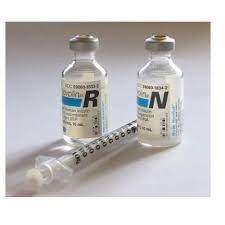
Hypoglycemia refers to abnormally low blood sugar levels that can lead to various symptoms if not promptly addressed. Individuals with diabetes are especially prone to this condition due to insulin therapy or inadequate food intake after medication administration.
- The classic symptoms, which may include sweating, confusion, irritability, dizziness, or seizure activity should not be ignored as they indicate declining glucose levels immediately needing attention.
- An official diagnosis often relies on confirming low blood sugar readings alongside documented symptoms occurring together within specific thresholds (
GESTATIONAL DIABETES SCREENING
Gestational diabetes occurs during pregnancy when hormonal changes affect insulin function. Screening for this condition is essential for ensuring the health of both mother and baby during gestation.
- The main symptoms, such as increased thirst or frequent urination, may often go unnoticed without screening since they are common during pregnancy.
- A standard test usually occurs between the 24th and 28th weeks of pregnancy through an oral glucose tolerance test (OGTT).
- If diagnosed, management typically involves dietary modifications along with regular physical activity; some women may require insulin therapy as well.
- This condition necessitates ongoing monitoring to prevent complications such as macrosomia or pre-eclampsia during delivery stages.
{Proper screening ensures that mothers receive timely care while reducing risks associated with gestational diabetes for both mother and child.}
CONTINUOUS GLUCOSE MONITORING (CGM)
The Continuous Glucose Monitoring (CGM) system offers real-time tracking of glucose levels throughout the day. This technology assists individuals in managing their diabetes more effectively by providing valuable insights into trends over time.
- This method helps identify sudden fluctuations in blood sugar that might not be evident through traditional glucose monitoring methods.
- The device measures glucose levels via a sensor placed under the skin and sends data to a receiver or smartphone application for analysis.
- CGM can help tailor treatment plans, allowing for timely adjustments in insulin dosage based on real-time information.
- This approach increases patient engagement and understanding of their condition while enabling proactive management strategies based on trends observed over days or weeks.
The integration of CGM technology into daily life encourages better adherence to health protocols among diabetic patients.
DIABETIC KETOACIDOSIS (DKA) TREATMENT
Diabetic Ketoacidosis (DKA) is a serious complication that arises when the body starts breaking down fat at an alarming rate due to insufficient insulin. It can occur in both Type 1 and Type 2 diabetes if blood sugar levels remain uncontrolled.
- Common symptoms include nausea, vomiting, abdominal pain, rapid breathing, and altered mental state.
- A diagnosis typically involves lab testing, including blood glucose levels, ketone tests in urine, and electrolyte balance assessment.
- Treatment primarily focuses on providing intravenous fluids, administering insulin therapy to reduce blood sugar levels, and correcting electrolyte imbalances.
- Catching DKA early is crucial; otherwise, it can lead to serious complications or even be life-threatening.
This condition highlights the importance of recognizing warning signs of poor diabetes control for effective intervention.
TYPE 1 DIABETES MANAGEMENT
Type 1 diabetes is a chronic condition where the pancreas produces little to no insulin. This autoimmune disorder can develop at any age but is most commonly diagnosed in children and young adults.
- Symptoms include frequent urination, excessive thirst, extreme fatigue, and sudden weight loss.
- The condition is typically diagnosed through blood tests measuring glucose levels and the presence of autoantibodies.
- Treatment options involve daily insulin therapy, regular monitoring of blood glucose levels, and a balanced diet tailored to individual needs.
- Patient management also includes education about carbohydrate counting and recognizing signs of hypo- or hyperglycemia.
- With proper management, patients can lead active lives and minimize complications associated with diabetes.
Learning about Type 1 diabetes empowers patients to make informed decisions regarding their health and treatment regimen.