
Dr Rohit Pandey
About Me
Dr Rohit Pandey
BAMS
Neurologist
1 Years Experience
Biography
My Clinic
OPD Hours
| Monday | Morning | 09:00 AM | ||
| Evening | 09:00 PM | |||
| Tuesday | Morning | 09:00 AM | ||
| Evening | 09:00 PM | |||
| Wednesday | Morning | 09:00 AM | ||
| Evening | 09:00 PM | |||
| Thursday | Morning | 09:00 AM | ||
| Evening | 09:00 PM |
Treatments
Specialised care and treatments offered
STROKE RECOVERY PROGRAMS

A stroke occurs when blood flow to an area of the brain is interrupted; recovery requires comprehensive rehabilitation tailored specifically toward regaining lost functions after such events occur
- Symptoms before stroke progression might include sudden weakness on one side of the body along with trouble speaking or understanding others clearly.
- Diagnosis usually takes place through CT scans or MRIs immediately following onset allowing timely intervention measures necessary post-stroke management plans being implemented effectively thereafter .
- Treatments primarily center around rehabilitation programs customized based upon individual capabilities whilst emphasizing both physical therapies alongside speech-language interventions regularly conducted throughout recovery stages post-stroke episodes occurring initially .
- Patients should expect incremental improvements across varied aspects enabling them rebuild independence again gradually return back activities loved ones engaged pre-stroke periods whenever plausible without overwhelming pressures therein impacting morale negatively evermore!
Comprehensive care empowers stroke survivors reclaim control over their lives fostering hope within what seems sometimes daunting journeys ahead towards full recovery paths forged onward!
MULTIPLE SCLEROSIS SUPPORT STRATEGIES
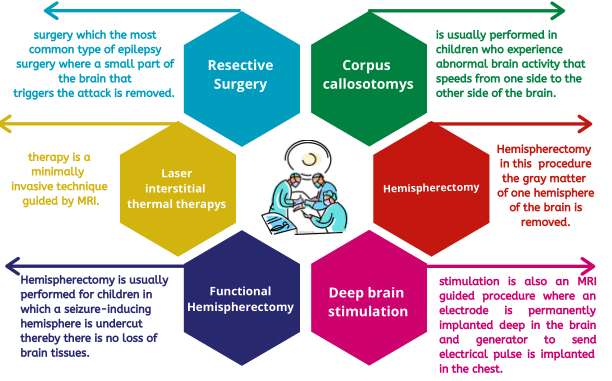
Multiple sclerosis (MS) is an autoimmune disease affecting the central nervous system. Adopting supportive strategies plays a vital role in managing its symptoms effectively over time.
- Common symptoms can include fatigue, vision problems, balance issues, or numbness depending on which part of the nervous system is affected.
- Diagnosis often involves MRI scans alongside clinical evaluations to confirm the presence of lesions associated with MS.
- Treatment focuses on symptom management using medication combined with therapeutic approaches like occupational therapy tailored specifically for each patient’s needs.
- Lifestyle adjustments such as staying active within limits are important; nutrition also plays a crucial part in overall health maintenance.
- With suitable support mechanisms established early on, patients are better equipped to navigate their individual experiences living with MS successfully.
Engaging proactively enables those diagnosed not only cope but thrive amidst challenges posed by multiple sclerosis over time.
CHRONIC PAIN MANAGEMENT TECHNIQUES
Many individuals suffer from chronic pain caused by various neurological conditions. Understanding how to manage this pain through non-invasive means plays a critical role in improving life quality.
- Pain may manifest as persistent discomfort or muscle spasms influenced by nerve damage or inflammation in the nervous system.
- A thorough evaluation including physical exams and imaging studies helps pinpoint the underlying causes of pain.
- Treatment strategies include physical therapy focused on strengthening muscles around affected areas along with mindfulness methods for pain perception management.
- Pain management may also involve medication but increasingly emphasizes lifestyle changes like diet alterations or gentle exercise routines for long-term benefits.
- The expectation is gradual improvement in mobility and reduction in discomfort over time with consistent efforts towards self-care practices.
Tackling chronic pain with a comprehensive approach encourages patients to take an active role in their recovery journey while receiving necessary guidance along the way.
EPILEPSY EDUCATION AND LIFESTYLE ADJUSTMENTS
Epilepsy is a chronic disorder marked by recurrent seizures. Understanding this condition is crucial for managing it effectively and reducing stigma associated with it.
- Symptoms vary widely but include loss of consciousness, convulsions, or unusual sensations prior to a seizure episode.
- A comprehensive diagnosis includes neuroimaging tests and keeping detailed seizure diaries for pattern recognition.
- Treatment often comprises antiepileptic medications alongside lifestyle changes such as regular sleep patterns and stress reduction techniques.
- A supportive network can help patients manage triggers that may provoke seizures more effectively.
- The prognosis varies; many lead full lives with appropriate management strategies in place.
With proper education and support, individuals living with epilepsy can navigate their lives confidently while minimizing seizure occurrence.
COGNITIVE BEHAVIORAL THERAPY FOR NEUROLOGICAL DISORDERS
Cognitive Behavioral Therapy (CBT) is a psychological treatment effective for various neurological disorders. It helps patients develop coping strategies by altering negative thought patterns that may exacerbate their condition.
- Symptoms of underlying neurological issues can include anxiety, depression, or cognitive dysfunction.
- This therapy is diagnosed through assessments by mental health professionals familiar with neurological conditions.
- Management often combines CBT with medication for holistic treatment of symptoms.
- Patients learn practical skills to handle daily challenges related to their conditions.
- The goal is improved emotional regulation and enhanced quality of life over time.
Through consistent practice, CBT can lead to lasting improvements in mental health and manage symptoms effectively.
MIGRAINE MANAGEMENT
Migraine is a debilitating neurological condition characterized by recurrent headaches that can severely impact daily life. While the exact cause remains unclear, various factors such as genetics, environment, and lifestyle choices can contribute to its onset.
- Common symptoms include intense, throbbing pain often accompanied by nausea, sensitivity to light and sound.
- Diagnosis typically involves a thorough medical history and possibly imaging tests to rule out other conditions.
- Management includes lifestyle modifications like regular exercise, stress management techniques, and dietary adjustments.
- Medications may be prescribed for acute relief or as preventive therapy based on the frequency of attacks.
- Patients can expect ongoing support to create an individualized plan that minimizes triggers and enhances overall well-being.
Managing migraines effectively requires a multi-faceted approach aimed at reducing both frequency and severity of attacks.