
Dr Rohit Swami, O
About Me
Dr Rohit Swami, O
MD
Oncologist
10 Years Experience
Biography
My Clinic
OPD Hours
| Monday | Morning | 10:00 AM | - | 02:00 PM |
| Evening | 06:00 PM | - | 09:00 PM | |
| Tuesday | Morning | 10:00 AM | - | 02:00 PM |
| Evening | 06:00 PM | - | 09:00 PM | |
| Wednesday | Morning | 10:00 AM | - | 02:00 PM |
| Evening | 06:00 PM | - | 09:00 PM | |
| Thursday | Morning | 10:00 AM | - | 02:00 PM |
| Evening | 06:00 PM | - | 09:00 PM | |
| Friday | Morning | 10:00 AM | - | 02:00 PM |
| Evening | 06:00 PM | - | 09:00 PM | |
| Saturday | Morning | 10:00 AM | - | 02:00 PM |
| Evening | 06:00 PM | - | 09:00 PM | |
| Sunday | Morning | 10:00 AM | - | 02:00 PM |
| Evening | 06:00 PM | - | 09:00 PM |
Treatments
Specialised care and treatments offered
SKIN CANCER SCREENING
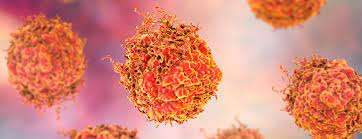
The prevalence of skin cancers makes understanding skin cancer screening critical for everyone’s skincare regimen. Regular examinations allow practitioners to catch potential issues before they escalate into major concerns
.- Symptoms: Look out for new growths or changes in moles’ shape/size; anything itchy or bleeding warrant immediate attention from professionals.
- Diagnosis: Dermatologists often perform visual examinations followed by biopsies if suspicious lesions appear present during assessment,< br /> providing necessary insight into skin type risks.
- Treatment Options: Management options vary widely from topical treatments for superficial cancers to more complex surgeries aimed at removing affected areas entirely.
- What To Expect: Skin examinations should become part & parcel of annual checkups—don’t hesitate discussing findings during appointments!< br />
Your vigilance concerning skin changes supports effective management strategies along all stages associated with skin protective measures!
PROSTATE CANCER SCREENING
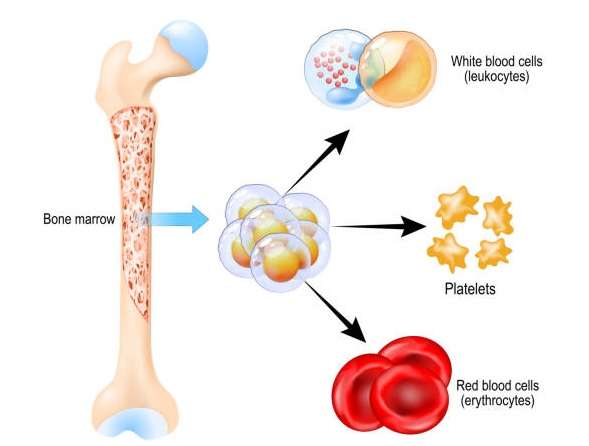
The advancement in prostate cancer screenings has underscored their importance in men’s health. Being knowledgeable about this process helps men make informed decisions regarding when and how often they should be screened.
- Symptoms: Early prostate cancers typically do not present noticeable symptoms; however, difficulty urinating or pelvic discomfort could indicate underlying issues later on.
- Diagnosis: The prostate-specific antigen (PSA) blood test alongside digital rectal exams (DRE) offers critical insights into prostate health and potential abnormalities.
- Treatment Options: Treatment paths depend heavily on staging but commonly involve surgery or radiation. Active surveillance may also be recommended if it's low-risk.
- What to Expect: Open discussions about personal risk factors inform whether conducting PSA tests regularly will benefit you as part of routine examinations.
Men should engage openly about prostate health screening as it holds significant weight in early intervention strategies against prostate-related diseases.
CERVICAL CANCER SCREENING

Cervical cancer screenings have evolved significantly and are now effective tools in preventing cervical cancer. Awareness about these screenings helps women take control of their reproductive health proactively.
- Symptoms: Many women may not exhibit symptoms initially but should watch for abnormal bleeding or pain during intercourse as red flags indicating further investigation is needed.
- Diagnosis: The Pap smear test detects precancerous cells; however, HPV testing may also be performed to check for high-risk HPV strains linked to cervical cancer.
- Treatment Options: If detected early through screenings, treatments can range from minor surgical procedures to more extensive treatments like hysterectomy based on severity.
- What to Expect: Regular screenings are vital after age 21; discuss a suitable schedule with your healthcare provider tailored specifically for you.
Engaging actively in routine health checks aids tremendously in preventing serious complications associated with cervical cancer.
LUNG CANCER SCREENING
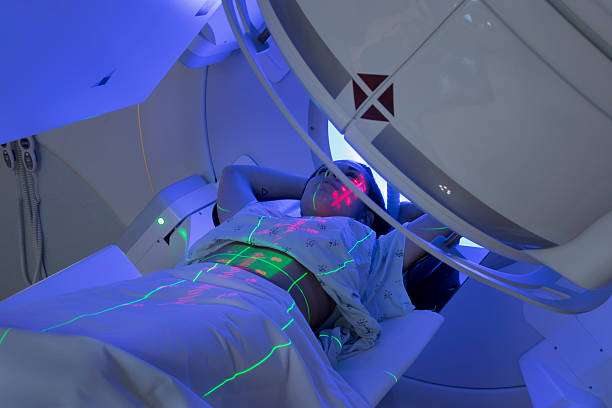
Lung cancer is one of the most common types of cancer worldwide; thus, understanding the importance of screening can lead to early intervention. The right tests can potentially save lives by identifying issues at an earlier stage.
- Symptoms: Coughing that worsens over time, persistent chest pain, shortness of breath, and coughing up blood are warning signs that should not be ignored.
- Diagnosis: Low-dose CT scans are recommended for high-risk groups such as long-term smokers and provide detailed images that can identify small tumors.
- Treatment Options: Depending on how advanced the cancer is, treatments may include surgery, chemotherapy, radiation therapy, or targeted therapies based on genetic markers.
- What to Expect: A thorough discussion with your doctor about personal risk factors will help determine whether screening is appropriate for you regularly.
Your choices today regarding lung health could potentially lead to a longer life without complications related to lung cancer.
COLORECTAL CANCER SCREENING
Colorectal cancer screening is vital for detecting potential cancers before they develop into more serious conditions. Understanding this process can empower individuals to make informed decisions regarding their health.
- Symptoms: Symptoms often include changes in bowel habits, blood in stool, unexplained weight loss, or abdominal discomfort.
- Diagnosis: A colonoscopy is the gold standard for screening and involves examining the interior of the colon using a flexible camera while sedated.
- Treatment Options: If polyps or cancer are found, options range from watchful waiting to surgery, targeted therapy, or chemotherapy depending on staging.
- What to Expect: Preparing for a colonoscopy involves dietary restrictions and cleansing. Discuss any concerns with your physician beforehand.
This proactive approach greatly enhances early detection rates, leading to higher survival rates for colorectal cancer patients.
BREAST CANCER SCREENING
Routine screenings play a crucial role in the early detection of breast cancer. Understanding the significance of these screenings can help individuals take charge of their health.
- Symptoms: Early-stage breast cancer may not show noticeable symptoms, but changes like lumps or alterations in breast shape could occur.
- Diagnosis: Screening typically involves a mammogram, which is an X-ray of the breast. Further imaging or biopsies may be utilized if abnormalities are detected.
- Treatment Options: Should cancer be diagnosed, options include surgery, chemotherapy, radiation therapy, and hormone therapy based on the tumor's characteristics.
- What to Expect: It's essential to maintain regular appointments; your healthcare provider will guide you through each step of the process.
Staying proactive with regular screenings can significantly improve outcomes and increase awareness about breast health.