
Dr Ronny Gupta
About Me
Dr Ronny Gupta
MBBS
Internal Medicine
10 Years Experience
Biography
My Clinic
OPD Hours
Treatments
Specialised care and treatments offered
ANNUAL WELLNESS EXAMS
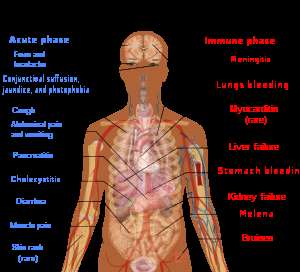
An annual wellness exam is fundamental in preventive care practices aimed at maintaining overall health. These comprehensive check-ups enable healthcare providers to identify potential health risks before they develop into more significant issues.
- A routine exam typically assesses various aspects including body mass index (BMI), blood pressure readings, cholesterol levels, among others while focusing on patients' medical history review too
- During these assessments practitioners evaluate patients’ lifestyle choices such as exercise habits or dietary intake which directly influence long-term wellness objectives.
- Early identification opportunities are available through laboratory screenings tailored specifically according to age demographics that guide preventative measures necessary later down the line.
- Follow-up appointments might be established based off findings from these exams ensuring ongoing engagement towards better health management planning moving forward .
Engaging fully during annual check-ups bolsters proactive approaches towards achieving optimal personal wellness enhancing quality living standards
ASTHMA MANAGEMENT
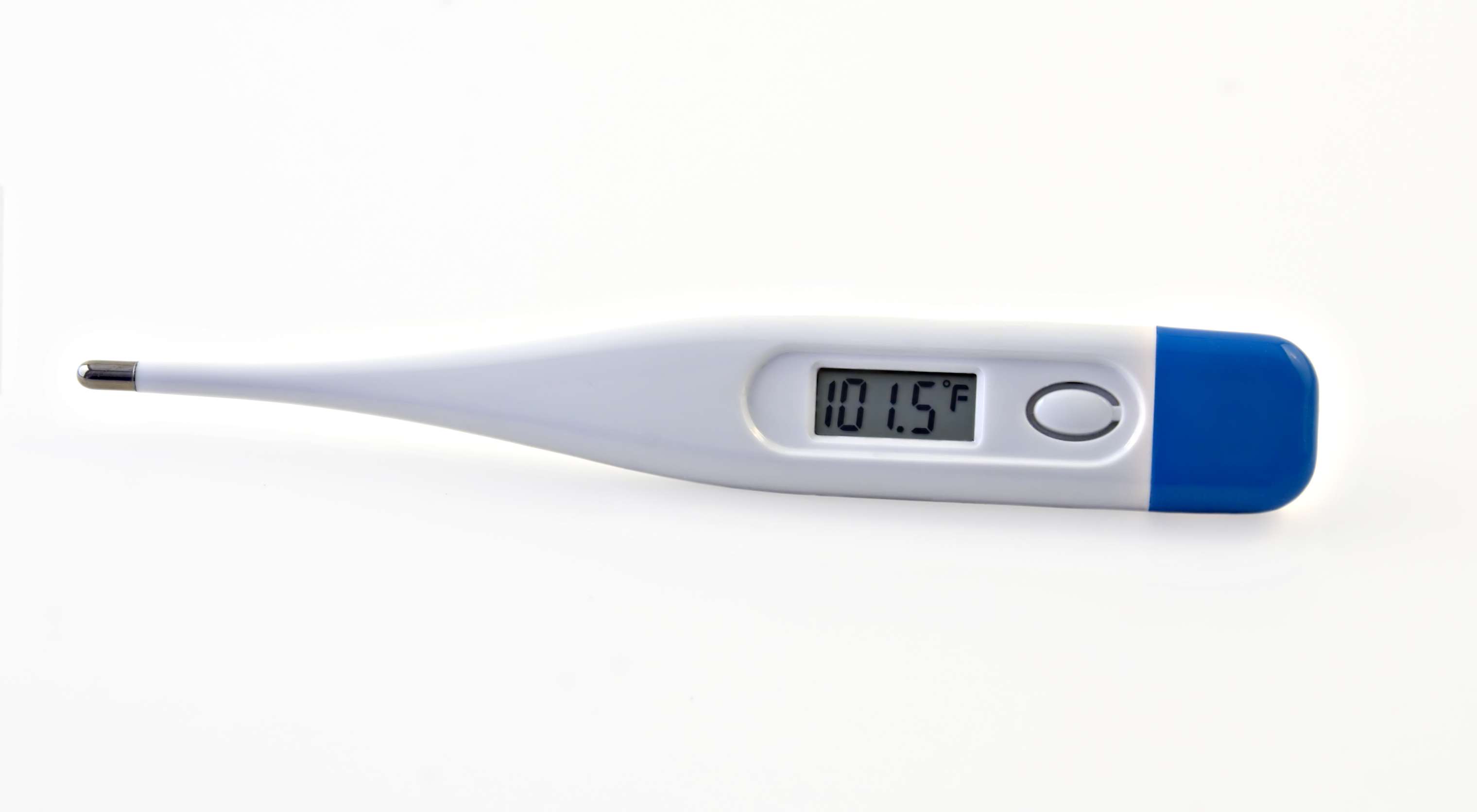
Asthma is a chronic respiratory condition characterized by difficulty breathing due to inflamed airways. Proper management helps patients lead normal lives despite this common ailment.
- Main triggers include allergens like pollen or dust mites along with irritants such as smoke or pollution which exacerbate asthma symptoms like wheezing and coughing.
- Diagnosis generally requires a thorough medical history evaluation along with lung function tests known as spirometry.
- Treatment involves avoiding known triggers while utilizing inhalers (both rescue inhalers for emergencies and controller medicines) to manage symptoms effectively.
- Developing an asthma action plan with healthcare providers aids individuals in recognizing worsening conditions promptly.
Ongoing education about asthma care is vital for maintaining control over this manageable condition.
PREVENTIVE CANCER SCREENINGS
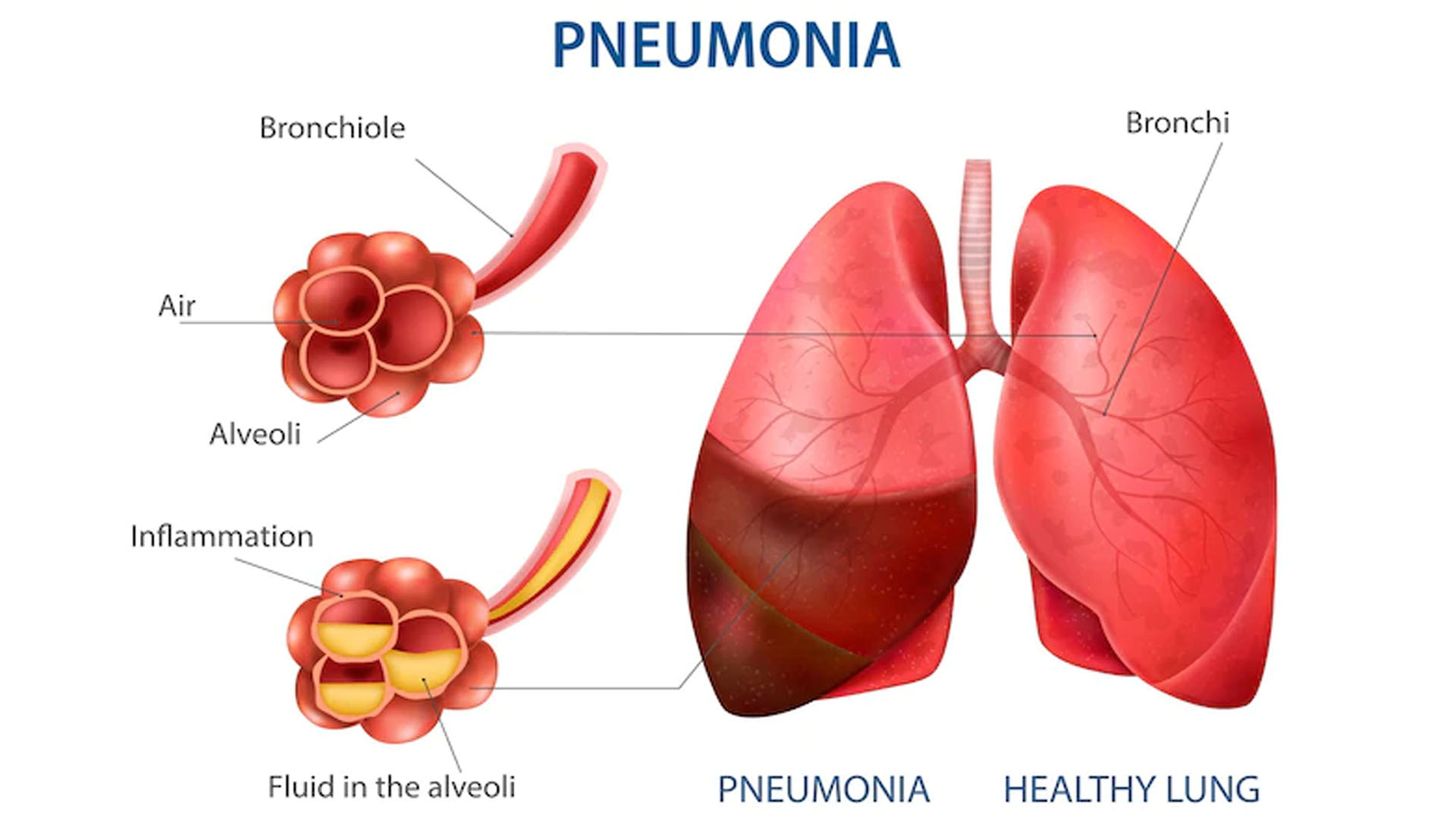
Cancer screenings play an essential role in early detection of various types of cancers. Early diagnosis significantly increases the chances of successful treatment outcomes.
- Cancer types commonly screened for include breast cancer via mammograms, cervical cancer through Pap smears, and colorectal cancer through colonoscopy procedures.
- Screening guidelines differ based on age groups and individual risk factors; consultation with your healthcare provider helps determine appropriate timings for screenings.
- The symptoms of cancer vary widely depending on the type; many types may not present any symptoms until late stages which highlights the need for preventive screenings.
- Treatment options will differ based on the diagnosed cancer type but typically involve surgery, radiation therapy, or chemotherapy among others.
Participating in recommended screenings contributes greatly toward long-term health maintenance and early intervention strategies against cancer-related conditions.
CHOLESTEROL SCREENING
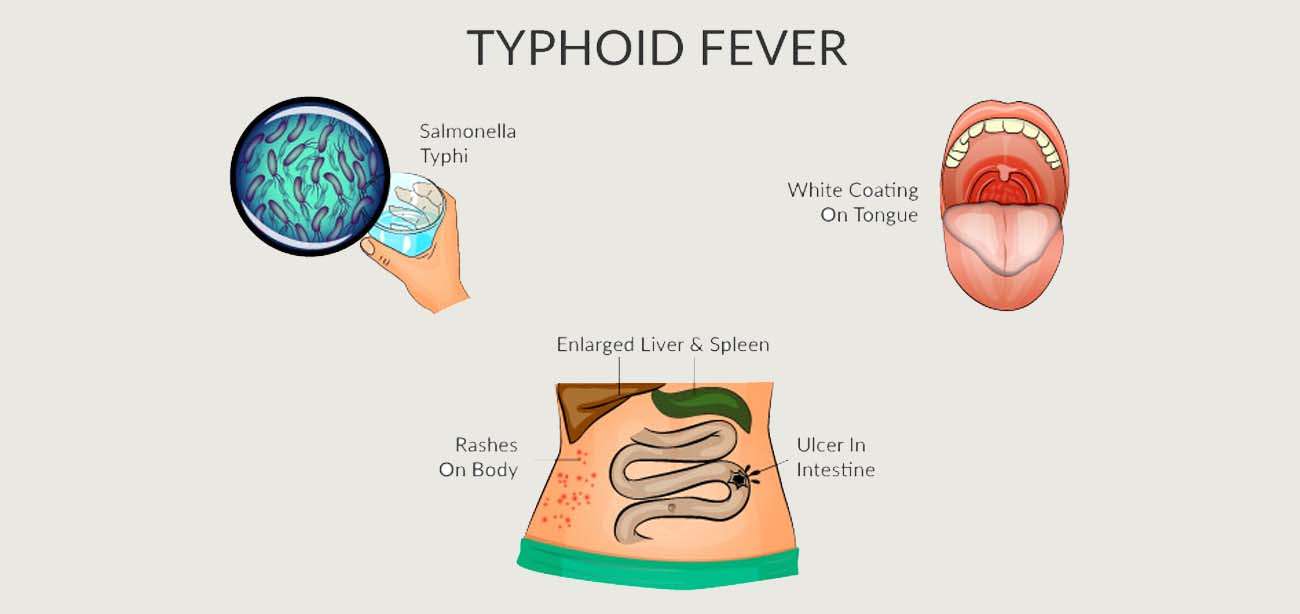
High cholesterol is a critical risk factor for heart disease. Regular screening can help individuals understand their lipid profiles and take corrective action if needed.
- A high level of LDL (low-density lipoprotein) cholesterol can lead to plaque buildup in arteries, increasing cardiovascular risk.
- No specific symptoms typically indicate high cholesterol; hence screening is vital even if one feels well.
- The diagnosis relies on a simple blood test called a lipid panel which measures total cholesterol levels as well as LDL and HDL (high-density lipoprotein) levels.
- Treatment may involve lifestyle changes like adopting a healthier diet or increasing physical activity; medications such as statins may also be prescribed based on individual risk factors.
- Regular follow-ups are important to monitor cholesterol levels and adjust treatment plans accordingly.
Understanding cholesterol levels empowers individuals to take charge of their cardiovascular health proactively.
DIABETES SCREENING
Screening for diabetes is pivotal for early detection and management of this chronic condition. It enables individuals to make informed choices about their health before serious complications arise.
- The main types of diabetes include Type 1, Type 2, and gestational diabetes.
- Symptoms often include increased thirst, frequent urination, and fatigue; however, many may remain asymptomatic initially.
- Diagnosis usually involves fasting blood sugar tests or HbA1c tests performed by a healthcare professional.
- Management options vary but can include dietary modifications, physical activity, and medications like insulin or metformin.
- Establishing a monitoring routine will help patients manage their condition effectively over time.
An early diagnosis allows for timely interventions that can prevent serious health issues down the road.
HYPERTENSION MANAGEMENT
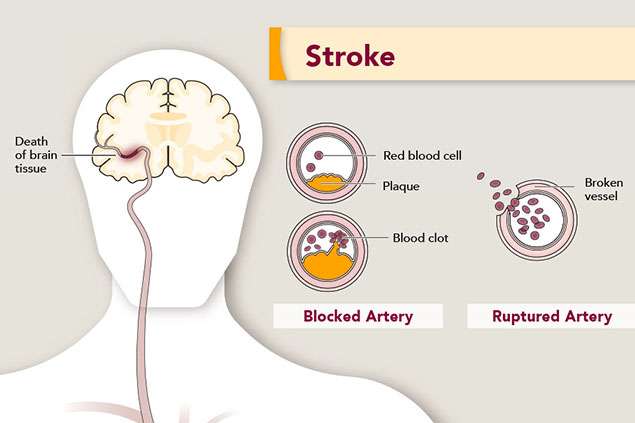
Hypertension, often termed high blood pressure, is a prevalent condition that significantly increases the risk of heart disease and stroke. Managing hypertension effectively is essential to minimizing these risks.
- Common symptoms include headaches, shortness of breath, and nosebleeds, though it can often be asymptomatic.
- Diagnosis typically involves measuring blood pressure using a sphygmomanometer on multiple occasions.
- Treatment options may include lifestyle changes such as diet and exercise, alongside medications like ACE inhibitors or beta-blockers.
- Regular monitoring is crucial; patients should maintain regular check-ups to ensure management strategies are effective.
- Aim for achieving blood pressure goals set by healthcare providers to reduce complications.
Addressing hypertension early can lead to better long-term health outcomes and enhanced quality of life.