
Dr Roshani Sanghani
About Me
Dr Roshani Sanghani
General Physician
Biography
My Clinic
OPD Hours
| Tuesday | Morning | 10:00 AM | - | 02:00 PM |
| Evening | 06:00 PM | - | 09:00 PM | |
| Wednesday | Morning | 10:00 AM | - | 02:00 PM |
| Evening | 06:00 PM | - | 09:00 PM | |
| Thursday | Morning | 10:00 AM | - | 02:00 PM |
| Evening | 06:00 PM | - | 09:00 PM | |
| Friday | Morning | 10:00 AM | - | 02:00 PM |
| Evening | 06:00 PM | - | 09:00 PM | |
| Saturday | Morning | 10:00 AM | - | 02:00 PM |
| Evening | 06:00 PM | - | 09:00 PM | |
| Sunday | Morning | 10:00 AM | - | 02:00 PM |
| Evening | 06:00 PM | - | 09:00 PM | |
| Thursday | Morning | 10:00 AM | - | 02:00 PM |
| Evening | 06:00 PM | - | 09:00 PM |
Treatments
Specialised care and treatments offered
THYROID DISORDERS
The thyroid gland regulates numerous functions within our bodies via hormone production influencing metabolism among other critical areas. Thorough awareness about potential disorders surrounding this gland helps ensure timely intervening measures benefit optimal health outcomes overall!
- Symptoms: Common signs range broadly encompassing unintentional weight fluctuations coupled either with fatigue overwrought feelings sometimes marked skin/hair alterations observable periodically too!
- Main Causes: Influences arise from autoimmune issues e.g., Hashimoto's resulting in hypo/hyperthyroid states affecting various bodily systems vitally.
- Diganosis: Blood tests measuring hormone levels TSH/T4 guide physicians diagnosing abnormal functionality rates against established benchmarks validating concerns raised by patients experiencing challenges related.
-
Treatment/Mangement ): Approaches vary depending upon which disorder arises; therapies could entail synthetic hormone replacements ultimately ensuring homeostasis attained through thorough supportive regimes including nutrition alignment where applicable enhancing everyday wellbeing tactics!
- {What To Expect}: Managing thyroid issues frequently necessitates ongoing evaluations/tests tracking progress validating balance achieved across respective markers presenting assurance regarding overall situations emerging outliving experiences undergone consistently shared practicing physician overseeing matters diligently upholding vigilance continuously assisting empowerment shaping futures resiliently throughout life journeys sought living vibrantly positively aligned!
GASTROESOPHAGEAL REFLUX DISEASE (GERD)

This chronic digestive condition occurs when stomach acid regularly flows back into the esophagus causing irritation. Identifying GERD early can significantly improve quality of life through effective management strategies available today!
- < span style = 'font-weight:bold;' > Symptoms: Typical symptoms encompass persistent heartburn after meals alongside regurgitation experienced post eating certain foods too!
- < span style = 'font-weight:bold;' > Causes: Causes often stem from obesity or dietary indiscretions particularly those favoring spicy/fatty options while also including hiatal hernias impacting reflux episodes!
- < span style = 'font-weight:bold;' > Diagnosis: Diagnosing GERD involves reviewing symptom history alongside possible endoscopy/GI studies examining esophageal structure/functionality concerned patients!
- < span style = 'font-weight:bold;' > Treatment/Management: Treatments commonly incorporate antacids offering immediate relief whereas proton pump inhibitors support long-term correction within acid reflux cycles plus recommended changes regarding meal timings!
- < span style = 'font-weight:bold;' > What To Expect: Your healthcare provider will regularly monitor symptoms ensuring effective control measures embedded into daily routines promoting overall comfort day-to-day!
Successful management hinges on fostering collaborative relationships between patients & providers navigated together throughout each step along this journey empowering healthier choices!
CHOLESTEROL MANAGEMENT

Elevated cholesterol levels can lead to serious cardiovascular issues over time. Effective management is crucial for preventing heart-related diseases through lifestyle adjustments and medication when necessary.
- Symptoms: High cholesterol typically does not present noticeable symptoms; regular testing is essential for identification.
- Main Causes:
ASTHMA
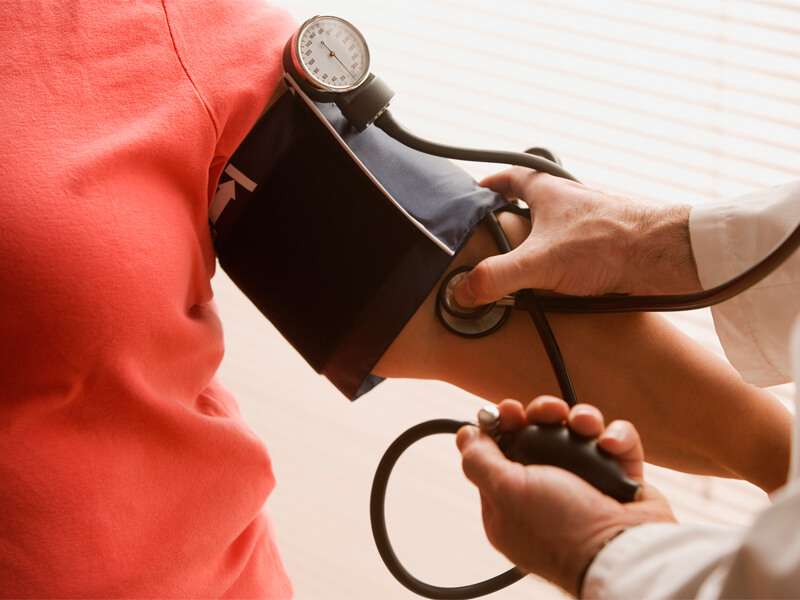
A chronic respiratory disease that inflames and narrows airways, asthma can cause wheezing, coughing, chest tightness, and difficulty breathing. Understanding asthma helps in effectively managing the condition for better quality of life.
- Symptoms: Symptoms vary from person to person but typically include wheezing during exhalation and persistent coughing at night or early morning.
- Causes: Triggers may include allergens like pollen or dust mites, respiratory infections, smoke exposure, or exercise-induced bronchoconstriction.
- Diagnosis: Diagnosis often involves lung function tests known as spirometry along with a detailed medical history assessment by your physician.
- Treatment/Management: Asthma treatments usually involve inhalers (beta-agonists) for immediate relief and corticosteroids to manage inflammation long-term.
- What to Expect: Regular monitoring requires working closely with your healthcare provider to adjust treatment plans as necessary in response to symptom changes.
The goal is to control asthma symptoms effectively so that individuals can maintain active lifestyles without limitations from the disease.
TYPE 2 DIABETES

This chronic condition affects the way your body metabolizes glucose (sugar), leading to elevated blood sugar levels. Type 2 Diabetes is largely preventable and manageable with proper care.
- Symptoms: Common signs include increased thirst, frequent urination, fatigue, and blurred vision.
- Causes: Risk factors include being overweight, inactivity, and a family history of diabetes.
- Diagnosis: Blood tests are used to measure glucose levels. A fasting blood sugar test or an A1C test may be ordered by your healthcare provider.
- Treatment/Management: Management involves lifestyle changes such as healthy eating and regular exercise. Medications like metformin might also be prescribed if necessary.
- What to Expect: With ongoing management strategies and regular check-ups, individuals can lead healthy lives while controlling their blood sugar levels effectively.
A proactive approach plays a crucial role in managing Type 2 Diabetes successfully over time.
HYPERTENSION
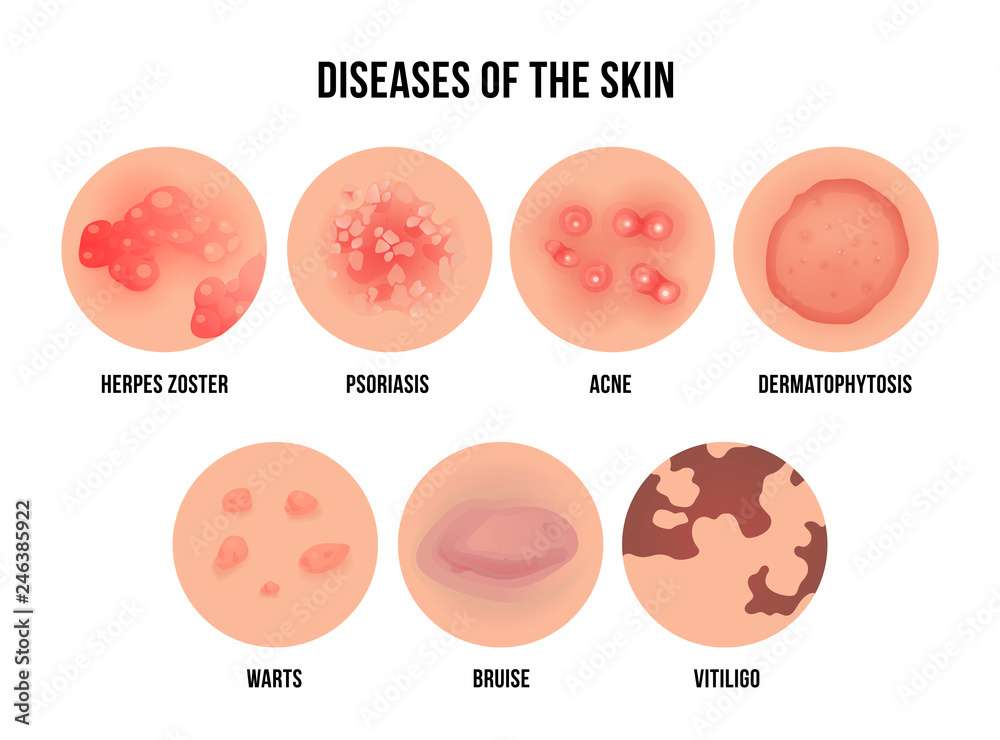
Hypertension, or high blood pressure, is a common condition that can lead to severe health problems if left untreated. It often develops over many years and may not present noticeable symptoms initially.
- Symptoms: Many people experience no obvious symptoms; however, some may report headaches, shortness of breath, or dizziness.
- Causes: Factors include genetics, obesity, lack of physical activity, smoking, and excessive salt intake.
- Diagnosis: Blood pressure is measured using a sphygmomanometer. Your doctor may take multiple readings to confirm hypertension.
- Treatment/Management: Treatment typically includes lifestyle changes such as diet modifications and exercise. Medications like diuretics or ACE inhibitors may be prescribed.
- What to Expect: Regular monitoring and follow-up visits will help manage your condition effectively, reducing the risk of complications such as heart disease.
If you have concerns about blood pressure levels, timely consultation can lead to better management of this condition.