
DR RP Asat
About Me
DR RP Asat
MD
Oncologist
Biography
My Clinic
OPD Hours
| Monday | Morning | 10:00 AM | - | 02:00 PM |
| Evening | 06:00 PM | - | 09:00 PM | |
| Tuesday | Morning | 10:00 AM | - | 02:00 PM |
| Evening | 06:00 PM | - | 09:00 PM | |
| Wednesday | Morning | 10:00 AM | - | 02:00 PM |
| Evening | 06:00 PM | - | 09:00 PM | |
| Thursday | Morning | 10:00 AM | - | 02:00 PM |
| Evening | 06:00 PM | - | 09:00 PM | |
| Friday | Morning | 10:00 AM | - | 02:00 PM |
| Evening | 06:00 PM | - | 09:00 PM | |
| Saturday | Morning | 10:00 AM | - | 02:00 PM |
| Evening | 06:00 PM | - | 09:00 PM | |
| Sunday | Morning | 10:00 AM | - | 02:00 PM |
| Evening | 06:00 PM | - | 09:00 PM |
Treatments
Specialised care and treatments offered
BONE MARROW TRANSPLANT
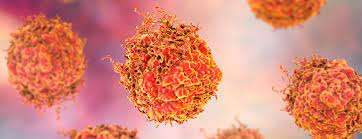
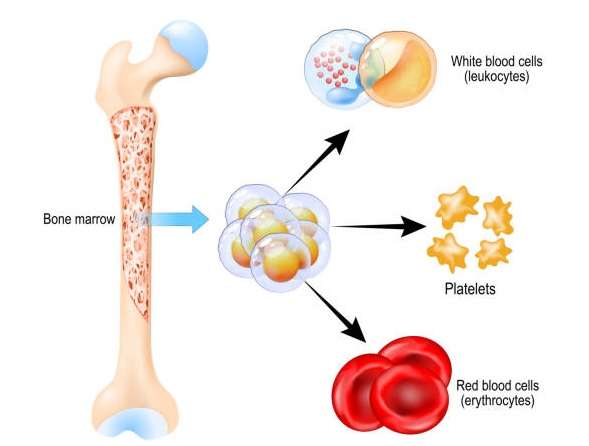
A bone marrow transplant (BMT) provides an opportunity for patients with certain types of blood cancers like leukemia or lymphoma, allowing them a chance at recovery through stem cell replacement when bone marrow is incapable of producing adequate blood components due its dysfunction due malignant conditions affecting it directly .
- Symptoms: Patients may present signs such as anemia-related fatigue, easy bruising or prolonged bleeding episodes requiring urgent attention.
- Diagnosis: The diagnosis process includes comprehensive testing including bone marrow biopsies confirming aberrant cellular proliferation patterns leading towards decision making around BMT necessity after evaluating alternative strategies first.
- Treatment Options: BMTs can either be 'autologous' where one's own previously harvested stem cells are re-infused after intensive conditioning regimen versus 'allogeneic' using donor-derived healthy stem cells which must match closely genetically.
- Management: Sustained follow-up screenings along supportive measures including prophylactic antibiotics play critical roles ensuring better safety margins reducing risks associated secondary complications which arise post-transplantation interference created previously existing malignant environments.
This process requires patience yet holds immense potential not only eradicating diseases but revitalizing entire systems functioning aimed towards achieving remission long term if procedurally executed correctly under meticulous oversight!
TARGETED THERAPY
This form of cancer treatment involves targeting specific molecules involved in tumor growth and survival. Instead of indiscriminately killing all rapidly dividing cells like chemotherapy does, targeted therapy seeks out particular characteristics unique to each patient's tumor type
.- Symptoms: Symptoms vary widely depending on which organs are impacted by the malignancy being treated.
- Diagnosis: Genetic testing informs treatment decisions by identifying mutations that treatments aim at targeting effectively.
- Treatment Options: Various agents exist that block growth signals or induce cell death through distinct mechanisms defined by genetic abnormalities present within cancers.
- Management: Regular monitoring via blood tests allows oncologists an opportunity track response rates along with addressing any adverse reactions occurring throughout therapies.
This personalized approach offers significant promise with fewer side effects compared traditional methods tailored purely around genetics rather than generalizations thus improving overall outcomes when applied skillfully throughout patient care processes!
IMMUNOTHERAPY

This innovative approach harnesses the body’s immune system to fight cancer. By stimulating immune responses, immunotherapy aims at increasing your body’s ability to combat cancer cells effectively while minimizing damage to normal tissues.
- Symptoms: Side effects can include flu-like symptoms or skin reactions depending on the specific therapy used.
- Diagnosis: Analyzing specific biomarkers in tumors helps identify candidates suitable for immunotherapy.
- Treatment Options: Different types include checkpoint inhibitors, CAR T-cell therapies, and monoclonal antibodies based on individual tumor landscapes.
- Management: Close observation during therapy is required due to potential immune-related adverse events needing timely intervention.
Ongoing research continually evolves this field aiming towards improved efficacy in diverse malignancies.
SURGICAL ONCOLOGY
Surgical oncology focuses on the surgical management of cancerous tumors. This may involve removing the tumor itself as well as surrounding tissues or lymph nodes that might harbor cancer cells.
- Symptoms: Symptoms prompting surgery can range from visible lumps in breast tissue to gastrointestinal difficulties related to tumors in abdominal organs.
- Diagnosis: Prior imaging techniques or biopsies provide essential information regarding tumor characteristics necessary for surgical planning.
- Treatment Options: Surgical procedures can vary significantly based on cancer type—ranging from lumpectomy for breast cancers to more extensive resections for digestive system cancers.
- Management:This often involves a recovery period monitored by healthcare professionals, including pain management strategies post-surgery.
The intention is not only curative but also preventive against recurrence through comprehensive follow-up care plans post-operation.
RADIATION THERAPY
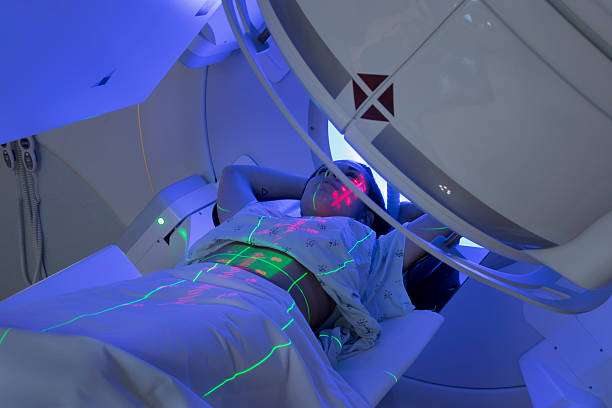
This targeted treatment uses high doses of radiation to eliminate cancer cells while preserving surrounding healthy tissue. Radiation therapy may be employed alone or alongside other treatments like surgery or chemotherapy.
- Symptoms: Skin reactions at the treatment site such as redness or irritation may occur as a result of therapy.
- Diagnosis: Imaging studies such as CT scans help determine the size and location of tumors before planning radiation therapy.
- Treatment Options: Techniques vary from external beam radiation to brachytherapy, depending on tumor type and location.
- Management: Managing side effects like fatigue may include lifestyle adjustments and medication to soothe skin irritations.
- Expectations: Treatment plans are tailored individually; regular check-ups are crucial to monitor progress and manage any arising complications.
The aim is not just treatment but also enhancing quality of life during recovery.
CHEMOTHERAPY
Chemotherapy is a common treatment for various types of cancer, utilizing powerful medications to target and kill rapidly dividing cancer cells. While effective, this treatment can also affect healthy cells, leading to possible side effects.
- Symptoms: Patients may experience fatigue, hair loss, nausea, and increased susceptibility to infections during treatment.
- Diagnosis: The necessity for chemotherapy typically arises from biopsy results and imaging tests that reveal the presence of cancer.
- Treatment Options: Chemotherapy can be administered intravenously or orally, often in cycles to maximize effectiveness while minimizing side effects.
- Management: Supportive care such as anti-nausea medications and nutritional support can help manage side effects.
- Expectations: Regular monitoring through blood tests and follow-up appointments helps assess treatment response and adjust as necessary.
This approach requires careful coordination with the healthcare team to ensure optimal outcomes for the patient.