
Dr RP Mehta
About Me
Dr RP Mehta
Dermatologist
Biography
My Clinic
OPD Hours
| Monday | Morning | 10:00 AM | - | 02:00 PM |
| Evening | 06:00 PM | - | 09:00 PM | |
| Tuesday | Morning | 10:00 AM | - | 02:00 PM |
| Evening | 06:00 PM | - | 09:00 PM | |
| Wednesday | Morning | 10:00 AM | - | 02:00 PM |
| Evening | 06:00 PM | - | 09:00 PM | |
| Thursday | Morning | 10:00 AM | - | 02:00 PM |
| Evening | 06:00 PM | - | 09:00 PM | |
| Friday | Morning | 10:00 AM | - | 02:00 PM |
| Evening | 06:00 PM | - | 09:00 PM | |
| Saturday | Morning | 10:00 AM | - | 02:00 PM |
| Evening | 06:00 PM | - | 09:00 PM | |
| Sunday | Morning | 10:00 AM | - | 02:00 PM |
| Evening | 06:00 PM | - | 09:00 PM |
Treatments
Specialised care and treatments offered
MOLE REMOVAL
Mole removal procedures are commonly performed by dermatologists either for cosmetic reasons or concerns about potential malignancy. Patients often seek removal if moles change in size, shape, color or cause discomfort due to irritation from clothing etc., indicating possible issues requiring attention.
- Symptoms might include changes in mole texture which should prompt further examination.
- Moles are diagnosed primarily based on visual assessment during an office visit which may include dermatoscopic examinations.
- Depending upon diagnosis results/concerns surrounding moles; standard treatments consist of surgical excision under local anesthesia while non-invasive techniques like laser therapy might apply too.
- Post-removal care entails keeping the site clean & monitoring healing progress closely following physician instructions provided during consultations.
Being informed about mole removal processes aids patients in making educated decisions regarding their dermatological health ensuring peace of mind & enhanced aesthetics simultaneously!
MELASMA
Melasma is a common skin condition characterized by brown or gray-brown patches on the face. It usually occurs in women but can also affect men; its appearance is often linked to hormonal changes during pregnancy or contraceptive use.
- Mainly affects areas exposed to sunlight such as cheeks and forehead where visible symptoms.
- The condition's causes, though not completely understood, seem related to sun exposure coupled with hormonal influences especially during pregnancy or hormone therapy use.
- A diagnosis typically requires a clinical examination; dermatologists might use Wood’s lamp examination for deeper assessment when required.
An individualized treatment plan focusing on sun protection and pigmentation-reducing agents plays an essential role in managing melasma effectively over time without exacerbating the skin's appearance further.
SKIN CANCER SCREENING
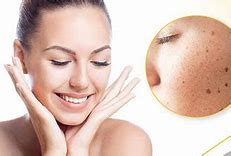
A proactive approach to detecting skin cancer involves regular screening by a dermatologist. Skin cancer screenings should ideally occur annually or as recommended based on individual risk factors such as family history or excessive sun exposure.
- No evident symptoms may arise until advanced stages; however early detection is crucial for treatment success.
- The primary causes, including ultraviolet (UV) light exposure from the sun or tanning beds, significantly elevate risk levels for certain types of skin cancer.
- A thorough examination during the screening process includes checking moles or spots for irregularities in shape or color as well as taking biopsies when necessary.
Catching skin cancer early increases treatment options and improves prognosis significantly. Regular screenings are vital for at-risk populations.
ECZEMA (ATOPIC DERMATITIS)
Eczema, particularly atopic dermatitis, is a chronic inflammatory skin condition that often begins in childhood. This condition causes dry, itchy skin which can lead to discomfort and secondary infections if scratched excessively.
- Main symptoms include intense itching, redness, and flaky skin patches.
- The precise cause involves a combination of genetic and environmental factors that influence the immune response.
- A diagnosis can generally be made based on clinical evaluation and patient history regarding symptom patterns.
- Treatment options range from moisturizing creams to topical immunomodulators for inflammation control. In some cases, systemic treatments may be necessary for severe eczema.
By understanding eczema better, patients can work with healthcare providers on effective management strategies tailored to their needs.
PSORIASIS
Psoriasis is an autoimmune condition characterized by rapid skin cell turnover leading to thick, red patches covered with silvery scales. The severity of psoriasis varies among individuals; it can be localized or widespread.
- Common symptoms include itchy patches that may crack and bleed.
- The exact cause remains unclear but is believed to involve immune system dysfunction and genetic factors.
- A dermatologist typically diagnoses psoriasis through visual inspection of the affected areas.
- Treatment includes topical corticosteroids, phototherapy, and systemic medications for more severe cases.
- A proper treatment plan will help reduce flare-ups significantly over time.
Awareness of psoriasis can lead to better management strategies that improve quality of life for affected individuals.
ACNE VULGARIS
Acne vulgaris is a common skin condition that affects individuals of all ages, particularly adolescents and young adults. It manifests as pimples, blackheads, and sometimes cysts, primarily due to excess oil production and blocked hair follicles.
- Symptoms include inflamed red spots, painful nodules, and scarring.
- The underlying causes may involve hormonal changes, dietary factors, or genetics.
- This condition can be diagnosed through a physical examination by a dermatologist and reviewing the patient’s medical history.
- Treatment options range from topical medications like retinoids to oral antibiotics and hormonal therapies.
- A consistent skincare routine is essential for managing acne effectively.
Understanding acne vulgaris helps in managing its symptoms effectively while minimizing scarring through suitable treatments.