
Dr RPKothari
About Me
Dr RPKothari
MD
Infectious disease specialists
Biography
My Clinic
OPD Hours
| Monday | Morning | 10:00 AM | - | 02:00 PM |
| Evening | 06:00 PM | - | 09:00 PM | |
| Tuesday | Morning | 10:00 AM | - | 02:00 PM |
| Evening | 06:00 PM | - | 09:00 PM | |
| Wednesday | Morning | 10:00 AM | - | 02:00 PM |
| Evening | 06:00 PM | - | 09:00 PM | |
| Thursday | Morning | 10:00 AM | - | 02:00 PM |
| Evening | 06:00 PM | - | 09:00 PM | |
| Friday | Morning | 10:00 AM | - | 02:00 PM |
| Evening | 06:00 PM | - | 09:00 PM | |
| Saturday | Morning | 10:00 AM | - | 02:00 PM |
| Evening | 06:00 PM | - | 09:00 PM | |
| Sunday | Morning | 10:00 AM | - | 02:00 PM |
| Evening | 06:00 PM | - | 09:00 PM |
Treatments
Specialised care and treatments offered
PREVENTION OF INFECTIOUS DISEASES
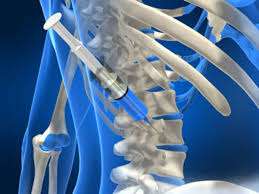
The prevention of infectious diseases encompasses a variety of strategies designed to protect individuals from acquiring infections. These measures are especially important in community health settings where outbreaks can occur rapidly.
- Symptoms/causes: While prevention focuses on asymptomatic carriers; awareness is crucial regarding mode(s) of transmission unique per disease type.
- Diagnosis: Surveillance systems identify outbreaks early through case reporting mechanisms alongside laboratory confirmations.
- Treatment/management options: Vaccination remains one major preventative strategy; hygiene practices significantly reduce transmission rates as well.
- What to expect: Engaging communities through education can foster compliance with recommended preventive measures leading towards improved public health outcomes.
Group efforts amplify prevention efficacy against contagious disease spread within communities effectively.
MANAGEMENT OF VIRAL INFECTIONS

The management of various viral infections involves tailored approaches depending on the type of virus involved. Understanding viral pathogenesis assists providers in forming effective strategies against these diseases.
- Symptoms/causes: Common symptoms include fever, fatigue, or specific organ-related issues dictated by the infecting virus.
- Diagnosis: Clinical assessments combined with virological testing help determine the exact viral strain and severity.
- Treatment/management options: Options like antiviral medications target specific viruses; supportive care plays an essential role as well.
- What to expect: Recovery trajectories vary by individual cases. Regular follow-ups are necessary for monitoring potential complications related to viral persistence.
Comprehensive evaluation ensures optimal outcomes in managing these conditions effectively.
INVASIVE FUNGAL INFECTION MANAGEMENT

The management of invasive fungal infections requires prompt identification and aggressive therapy. These infections often pose significant risks in immunocompromised patients or those with underlying conditions.
- Symptoms/causes: Symptoms vary widely but may include fever, respiratory distress, or systemic manifestations due to opportunistic pathogens in vulnerable populations.
- Diagnosis: Diagnosing involves clinical evaluation alongside advanced imaging studies and laboratory cultures for specific fungi identification.
- Treatment/management options: Options range from antifungal medications to surgical intervention when extensive tissue damage occurs or on-site therapy fails.
- What to expect: Close monitoring is critical; responses to treatment should be evaluated periodically through imaging or symptom resolution assessment.
TUBERCULOSIS TREATMENT

Tuberculosis (TB) treatment is essential for controlling this infectious disease that primarily affects the lungs, but can spread to other body parts. Early intervention can prevent serious complications and transmission.
- Symptoms/causes: Persistent cough, fever, night sweats, and weight loss are common signs; transmission occurs through airborne particles from an infected person.
- Diagnosis: Diagnosis typically involves a combination of skin tests, blood tests, and chest X-rays to confirm infection levels.
- Treatment/management options: A rigorous regimen of multiple antibiotics over several months is standard to eliminate the bacteria effectively.
- What to expect: Adherence to the complete course of medication is vital for success and preventing drug-resistant strains from developing.
Persistent follow-up appointments are also crucial to monitor progress throughout treatment duration.
CHRONIC HEPATITIS TREATMENT

Chronic Hepatitis treatment involves managing long-term liver inflammation caused by viral infections. Effective management is crucial as chronic hepatitis can lead to severe liver damage if left untreated.
- Symptoms/causes: Symptoms may include fatigue, jaundice, and abdominal pain; viral infection is the primary cause.
- Diagnosis: Blood tests and imaging studies are used to confirm hepatitis type and assess liver damage.
- Treatment/management options: Antiviral medications can significantly reduce viral load and improve liver function.
- What to expect: Patients undergo regular monitoring for liver health, with treatment adjustments as necessary based on response.
A comprehensive care plan helps manage both the virus and overall health effectively.
ANTIBIOTIC STEWARDSHIP

Antibiotic stewardship is a critical approach aimed at optimizing the use of antibiotics to combat infectious diseases. This practice helps in reducing antimicrobial resistance, ensuring that these important drugs remain effective for future generations.
- Symptoms/causes: Inappropriate use of antibiotics can lead to increased resistance, complicating infections.
- Diagnosis: Evaluation often includes assessing patient history and current antibiotic regimens.
- Treatment/management options: Strategies may include prescribing the narrowest spectrum antibiotic or employing alternatives when available.
- What to expect: A focused treatment plan may enhance recovery while minimizing side effects associated with broad-spectrum antibiotics.
This proactive management fosters a safer medical environment and preserves antibiotic effectiveness.