
Dr Ruchi Gupta
About Me
Dr Ruchi Gupta
MD
Cardiologist
10 Years Experience
Biography
My Clinic
OPD Hours
| Monday | Morning | 10:00 AM | - | 02:00 PM |
| Evening | 06:00 PM | - | 09:00 PM | |
| Tuesday | Morning | 10:00 AM | - | 02:00 PM |
| Evening | 06:00 PM | - | 09:00 PM | |
| Wednesday | Morning | 10:00 AM | - | 02:00 PM |
| Evening | 06:00 PM | - | 09:00 PM | |
| Thursday | Morning | 10:00 AM | - | 02:00 PM |
| Evening | 06:00 PM | - | 09:00 PM | |
| Friday | Morning | 10:00 AM | - | 02:00 PM |
| Evening | 06:00 PM | - | 09:00 PM | |
| Saturday | Morning | 10:00 AM | - | 02:00 PM |
| Evening | 06:00 PM | - | 09:00 PM | |
| Sunday | Morning | 10:00 AM | - | 02:00 PM |
| Evening | 06:00 PM | - | 09:00 PM |
Treatments
Specialised care and treatments offered
PEDIATRIC ARRHYTHMIAS

Pediatric arrhythmias encompass various abnormal heart rhythms occurring in children due to congenital abnormalities or acquired conditions affecting electrical conduction pathways within the myocardium.
- Causes & Clinical Presentation: Can stem from structural defects , electrolyte imbalances or myocarditis ; symptoms range from palpitations to syncope depending on type/severity .
- Evaluation Tools: ECG remains primary diagnostic tool ; extended Holter monitoring or event recorders capture intermittent episodes not seen on routine ECGs .
- Management Options: Some arrhythmias resolve spontaneously requiring observation only ; others need pharmacotherapy including beta-blockers , antiarrhythmic drugs ; catheter ablation used selectively .
- Expectations & Prognosis: Early detection enables optimal intervention minimizing complications thereby enhancing long-term cardiac health among pediatric patients .
Properly managed pediatric arrhythmias generally allow children to lead active healthy lives under specialist guidance focused on individualized care plans.
HEART FAILURE
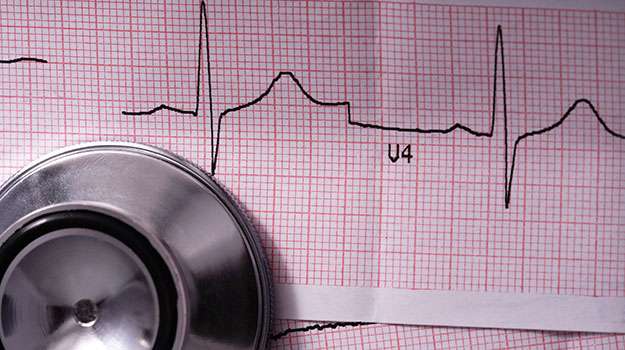
This chronic condition arises when the heart cannot pump blood efficiently enough to meet the body’s needs. It often develops progressively due to underlying cardiovascular diseases or damage after events like myocardial infarction.
- Signs & Underlying Causes: Patients commonly experience breathlessness , swelling , fatigue , difficulty exercising . Causes include coronary artery disease , hypertension , cardiomyopathy .
- Diagnostic Techniques: Clinical examination supported by echocardiography helps assess ventricular function ; blood tests detect biomarkers indicating severity .
- Treatment Strategies: Medications such as diuretics , ACE inhibitors , beta-blockers are mainstays . Device therapies or transplant considered in advanced cases .
- Living With Heart Failure: Lifestyle changes focusing on fluid restriction , low salt diet , physical activity modifications assist symptom control ; routine follow-up essential for optimizing care .
Although incurable , contemporary treatments considerably improve quality of life and survival for individuals diagnosed with heart failure.
ATRIAL FIBRILLATION
Atrial Fibrillation (AFib) is an irregular and often rapid heartbeat originating from chaotic electrical signals in the atria. This arrhythmia increases risks for stroke and other complications if untreated adequately.
- Causation & Symptoms: It may result from high blood pressure, heart valve disease or occur without clear cause; symptoms include palpitations, dizziness or fatigue but sometimes none are noticeable.
- Detection Procedures: Diagnosis relies on ECG recordings which capture abnormal heart rhythm episodes; Holter monitors provide extended observation when necessary.
- Treatment Modalities: Approaches include anticoagulants to lower stroke risk, rate control drugs, rhythm restoration methods such as cardioversion or ablation procedures when indicated.
- Lifestyle Considerations & Follow-up: Avoiding caffeine/alcohol triggers along with regular cardiology evaluations optimize prognosis for AFib patients over time.
A tailored therapeutic regimen combined with close monitoring significantly reduces associated health risks linked with this common arrhythmia disorder.
HYPERTENSION (HIGH BLOOD PRESSURE)
Hypertension refers to persistently elevated blood pressure levels that increase strain on the cardiovascular system. It is a major risk factor for heart disease and stroke worldwide.
- Mild Symptoms & Causes: Often called the "silent killer," it may not show obvious symptoms initially. Causes include genetics, lifestyle factors like diet high in salt or stress.
- How It's Diagnosed: Repeated blood pressure measurements at rest help confirm diagnosis; additional tests evaluate organ impact if hypertension is prolonged.
- Treatment Approaches: Lifestyle improvements such as weight management and reduced sodium intake are crucial; medications like ACE inhibitors or calcium channel blockers may be prescribed as needed.
- The Prognosis: With proper control through regular monitoring and adherence to therapy, complications like heart failure can often be prevented effectively.
A proactive approach towards management helps maintain overall cardiovascular health despite this chronic condition.
CONGENITAL HEART DEFECTS
Congenital Heart Defects are structural problems of the heart present from birth. These defects vary greatly in severity and type, affecting infants and children differently depending on the specific anomaly.
- Symptoms & Causes: They arise due to improper development of the heart during fetal growth; signs may include cyanosis, rapid breathing, poor feeding, or fatigue in infants.
- Diagnostic Methods: Echocardiography is the primary tool used for detailed imaging. Other tests like chest X-rays and cardiac MRI may also assist in diagnosis.
- Treatment Options: Management ranges from watchful waiting for minor defects to surgical repair in more serious cases; medication can help control symptoms or associated complications.
- Outcomes & Monitoring: Many children lead normal lives post-treatment but require long-term cardiology follow-up to monitor cardiac function over time.
An early detection ensures timely intervention and better quality of life for affected individuals throughout childhood.
CORONARY ARTERY DISEASE (CAD)
Coronary Artery Disease is a common heart condition caused by the narrowing or blockage of the coronary arteries. This reduces blood flow to the heart muscle, often leading to chest pain or other symptoms.
- Causes and Symptoms: It results primarily from atherosclerosis and can cause chest discomfort, shortness of breath, fatigue, and in severe cases, heart attacks.
- Diagnosis: Diagnosis involves an ECG, stress testing, echocardiograms, and sometimes coronary angiography to assess blockages.
- Treatment/Management: Lifestyle changes such as diet and exercise are critical, along with medications like statins, antiplatelets, and beta-blockers. Interventional procedures like angioplasty may be necessary for severe cases.
- What to Expect: Regular follow-ups are essential to monitor heart function and adjust treatment plans; early diagnosis improves outcomes significantly.
This condition requires ongoing care but can be managed effectively with proper medical guidance and lifestyle modifications.