
Dr Ruchir Bhandar
About Me
Dr Ruchir Bhandar
MD
Oncologist
Biography
My Clinic
OPD Hours
| Monday | Morning | 10:00 AM | - | 02:00 PM |
| Evening | 06:00 PM | - | 09:00 PM | |
| Tuesday | Morning | 10:00 AM | - | 02:00 PM |
| Evening | 06:00 PM | - | 09:00 PM | |
| Wednesday | Morning | 10:00 AM | - | 02:00 PM |
| Evening | 06:00 PM | - | 09:00 PM | |
| Thursday | Morning | 10:00 AM | - | 02:00 PM |
| Evening | 06:00 PM | - | 09:00 PM | |
| Friday | Morning | 10:00 AM | - | 02:00 PM |
| Evening | 06:00 PM | - | 09:00 PM | |
| Saturday | Morning | 10:00 AM | - | 02:00 PM |
| Evening | 06:00 PM | - | 09:00 PM | |
| Sunday | Morning | 10:00 AM | - | 02:00 PM |
| Evening | 06:00 PM | - | 09:00 PM |
Treatments
Specialised care and treatments offered
PALLIATIVE CARE
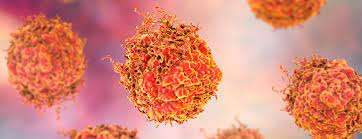
Palliative care focuses on relief from symptoms and stress associated with serious illnesses like cancer rather than attempting solely curative approaches alone aimed towards alleviating complications arising from ongoing disease processes affecting patient lives profoundly over time.
Its multidisciplinary team composition enhances supportive networks fostering dignity through comprehensive symptom management across stages encountered concurrently!
TARGETED THERAPY
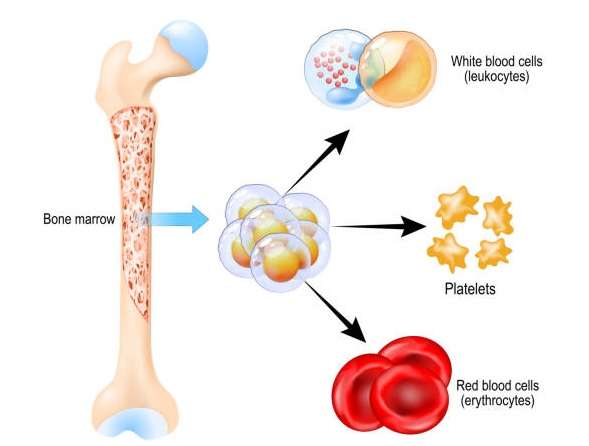
This modern therapeutic strategy focuses on specific genetic mutations present within certain tumors. Targeted therapy works by interrupting cancer cell growth pathways at precise points beneficially impacting overall prognosis and outcomes.
- Symptoms/causes: The presence of abnormal cell growth can manifest variedly; localized masses may suggest underlying genetic anomalies requiring further medical evaluation.
- Diagnosis: Genetic testing plays a pivotal role alongside traditional diagnostic methods when assessing eligibility criteria for targeted therapies tailored towards individual gene profiles linked with specific cancers.
- Treatment options: Medication regimens consist of targeted drugs specifically developed against known genetic alterations appearing within each patient's malignancy—maximizing effectiveness with minimized harm compared against conventional chemotherapeutic agents utilized historically in oncology practice.
- Management: < / str ing > Regular follow-ups assist practitioners gauge response rates accurately; lifestyle changes including dietary modifications enhance therapeutic synergy encouraging optimal results over time as we seek balance alongside rigorous interventions needed without compromising wellness aspects vital during healing journeys experienced throughout treatments applied latterly!
The integration enhances possibilities advancing personalized medicine pathways augmenting hopes restorative efforts realized alongside contemporary scientific advances transforming traditional understandings driving forward momentum needed amidst evolving therapeutic landscapes now offered globally!
IMMUNOTHERAPY

This innovative approach harnesses the body's immune system to fight cancer more effectively. Immunotherapy stimulates natural defenses against malignancies by enhancing immune responses
- Symptoms/causes: Depending on the individual’s immune status, symptoms might include increased susceptibility to infections or unusual fatigue during treatment phases.
- Diagnosis: Comprehensive blood tests assess immune function prior to initiating immunotherapy, ensuring suitability for each patient’s unique situation.
- Treatment options: Various forms exist—from monoclonal antibodies targeting specific tumor markers to checkpoint inhibitors designed specifically for blocking proteins that inhibit immune response against tumors.
- Management: Ongoing monitoring can disclose how well immunotherapy works in real-time; adjustments aim towards maximizing effectiveness while minimizing discomfort.
- Expectations: Although responses vary widely among individuals, many report improvements alongside effective management strategies for any potential side effects encountered throughout this progressive form of therapy.
Emphasis lies in empowering patients through education about their condition while providing encouragement toward positive health outcomes via enhanced immunity.
HORMONE THERAPY
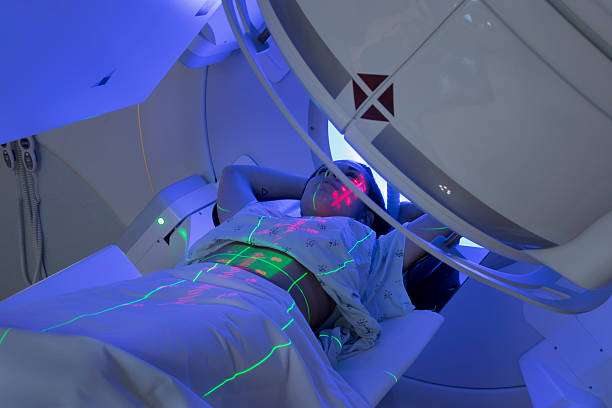
This approach is primarily utilized for cancers that are fueled by hormones, such as some breast and prostate cancers. Hormone therapy aims to block hormone production or action in the body.
- Symptoms/causes: Symptoms may vary extensively depending on hormone levels; changes in weight or mood can indicate hormonal imbalances influencing tumor growth.
- Diagnosis: Blood tests that check hormone levels are essential in determining the appropriateness of this therapy for individual patients.
- Treatment options: This could involve medications that lower hormone levels or surgeries that remove hormone-producing organs.
- Management:Palliative measures ensure patients cope with side effects like hot flashes or mood swings effectively during treatment periods.
- Expectations: Regular consultations help manage expectations about treatment duration and outcomes, reassuring patients about their journey towards recovery.
This method allows oncologists to treat certain cancers more precisely while preserving other bodily functions.
RADIATION THERAPY
This technique uses high-energy particles or waves to target and kill cancer cells. It can be administered externally or internally depending on the specific case.
- Symptoms/causes: The need for radiation therapy may arise after a tumor is surgically removed or if surgery is not feasible due to the location of the cancer.
- Diagnosis: Imaging tests such as CT scans help visualize the tumor's size and location, guiding treatment decisions.
- Treatment options: Radiation may be delivered in fractions over several days to minimize damage to surrounding healthy tissues while maximizing effectiveness against cancer cells.
- Management: Patients might experience skin irritation or fatigue; therefore, palliative strategies are implemented alongside radiation therapy to ensure comfort.
- Expectations: Most individuals find their strength returns gradually after completing treatment; regular follow-ups are critical for monitoring health post-therapy.
The goal is not only effective treatment but also maintaining quality of life during recovery periods.
CHEMOTHERAPY
Chemotherapy is a common treatment modality used in oncology to manage cancer. It involves the use of medications that destroy cancer cells by interfering with their ability to grow and reproduce.
- Symptoms/causes: Cancer may present with various symptoms including unexplained weight loss, fatigue, or localized pain, which can indicate more severe underlying conditions.
- Diagnosis: The diagnosis often requires imaging studies and biopsies, followed by laboratory tests to determine the specific type of cancer.
- Treatment options: Treatment typically includes multiple cycles of chemotherapy combined with supportive care, which may help alleviate side effects.
- Management: Patients often work closely with oncologists to monitor progress and adjust treatment plans as necessary.
- Expectations: It's important for patients to understand potential side effects such as nausea, hair loss, and fatigue, but many find ways to manage these effectively.
This therapy can be challenging but remains an essential component of oncological care aimed at achieving remission or control over the disease.