
Dr RUDRADEV PANDE
About Me
Dr RUDRADEV PANDE
Cardiologist
Biography
My Clinic
OPD Hours
| Monday | Morning | 10:00 AM | - | 02:00 PM |
| Evening | 06:00 PM | - | 09:00 PM | |
| Tuesday | Morning | 10:00 AM | - | 02:00 PM |
| Evening | 06:00 PM | - | 09:00 PM | |
| Wednesday | Morning | 10:00 AM | - | 02:00 PM |
| Evening | 06:00 PM | - | 09:00 PM | |
| Thursday | Morning | 10:00 AM | - | 02:00 PM |
| Evening | 06:00 PM | - | 09:00 PM | |
| Friday | Morning | 10:00 AM | - | 02:00 PM |
| Evening | 06:00 PM | - | 09:00 PM | |
| Saturday | Morning | 10:00 AM | - | 02:00 PM |
| Evening | 06:00 PM | - | 09:00 PM | |
| Sunday | Morning | 10:00 AM | - | 02:00 PM |
| Evening | 06:00 PM | - | 09:00 PM |
Treatments
Specialised care and treatments offered
HEART VALVE DISORDERS

Heart valve disorders occur when one or more valves do not function properly. This disrupts normal blood flow within the heart chambers leading potentially serious consequences without timely management considered mandatory upon detection via diagnostic evaluations assessing valve performance efficiency levels routine during clinical workups undertaken by specialists alike during pertinent visits made regularly determined prescribed follow-ups accordingly scheduled thereafter throughout individual patients’ journeys seeking optimal cardiac wellness overall achieved ultimate goals desired achieved comprehensively attained successful resolutions defined before concluding treatments expected concluded thereafter completed thoroughly perfected aligned closely learned analyzed information obtained collected reviewed regularly updated improving thereby maximized effectiveness continually striving improved outcomes sought by every patient served daily basis witnessed celebrated together exponentially enhanced advancements shaped transformed dramatically impacted lives profoundly changed because approached successfully guided aptly experienced considerable relief documented endured beyond expectations diehard wanted obtain fulfilled improved future outlook optimized progressively shifting awareness atop progressive journey encompassing whole entire dimensions encompassing phenomenal universe accessible effortless pursuit attaining absolute realization manifested gradually manifest goal defined principles established rooted diligently grounded firmly throughout entire process pursued untiringly undertaken unwavering commitment panacea believed rightful fortune notwithstanding deserved gratitude recounted back!
HYPERTENSION MANAGEMENT
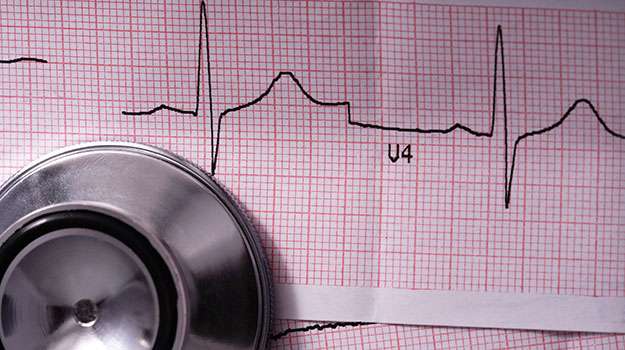
Hypertension (high blood pressure) often goes unnoticed but poses severe risks including cardiovascular diseases. Addressing it early is key for overall health improvement!
- This condition may often be asymptomatic; typical signs might only appear after complications set in—making regular screenings crucial!
- A diagnosis generally involves measuring blood pressure readings multiple times under different conditions; additional tests may rule out secondary causes contributing factors affecting vascular tension levels too!
- Treatment generally includes lifestyle adjustments—lower sodium intake paired with increased physical activity—and possible medications tailored specifically based upon individual disease state severity among other criteria too.)
- Maintaining adherence enables reduced cardiovascular risks while promoting healthier living choices over time which benefit long-term wellness!
Being proactive about controlling hypertension results not only benefits oneself but contributes positively towards collective community awareness regarding its importance!
CORONARY ARTERY DISEASE
Coronary Artery Disease (CAD) develops when coronary arteries become narrowed due to plaque buildup. This can restrict blood flow and lead to serious complications if not addressed early on.
- Main symptoms include chest pain (angina), fatigue during exertion, and shortness of breath during activities that demand more from your heart.
- A doctor will typically diagnose CAD using stress tests coupled with imaging techniques such as angiography for a clearer picture of how arteries are functioning internally.
- Treatment options range from lifestyle changes and medication management initially to surgical options like bypass surgery if necessary based on severity assessment.
- Your treatment plan will focus on reducing risk factors like high cholesterol levels and blood pressure alongside revitalizing healthy habits for better cardiovascular health long-term.
Catching CAD early allows for more effective interventions that promote longevity in heart health maintenance strategies!
ATRIAL FIBRILLATION
Atrial Fibrillation (AFib) is an irregular heartbeat that can increase the risk of stroke. It occurs when electrical signals in the heart become chaotic.
- The primary symptoms may include palpitations, dizziness, shortness of breath or fatigue during activity.
- A healthcare provider might diagnose AFib through an ECG or Holter monitor to catch any irregularities over time.
- Treatment may involve medications such as anticoagulants to prevent stroke risks or procedures like cardioversion to restore normal rhythm.
- You should be prepared for ongoing monitoring to manage potential complications effectively through regular check-ups.
Your well-being depends on understanding your condition; prompt intervention can significantly improve outcomes in cases of AFib.
CONGESTIVE HEART FAILURE
Congestive Heart Failure (CHF) is a chronic condition where the heart's ability to pump blood effectively is compromised. This can lead to various symptoms that impact daily living.
- Common symptoms include fatigue, swelling in legs or ankles, rapid heartbeat, and persistent cough or wheezing.
- The diagnosis may involve physical examinations, blood tests, chest X-rays, and echocardiography to assess heart function.
- Treatment focuses on managing symptoms and may include medications such as diuretics and ACE inhibitors, along with lifestyle changes like dietary modifications and regular exercise.
- A comprehensive management plan helps improve quality of life and reduce hospitalizations associated with this condition.
With appropriate intervention and monitoring, individuals with CHF can lead active lives while managing their health effectively.
ACUTE MYOCARDIAL INFARCTION
Acute Myocardial Infarction, commonly referred to as a heart attack, occurs when blood flow to the heart is blocked, leading to damage or death of the heart muscle. This condition is often sudden and requires immediate medical attention.
- Symptoms can include chest pain or discomfort, shortness of breath, cold sweat, nausea, and lightheadedness.
- Diagnosis typically involves an electrocardiogram (ECG), blood tests for cardiac enzymes, and imaging studies like echocardiograms.
- Treatment options encompass medications such as thrombolytics or antiplatelet drugs, lifestyle modifications, and in some cases, surgical interventions like angioplasty or stent placement.
- Patients can expect close monitoring and management of risk factors such as hypertension, diabetes, and cholesterol levels following treatment.
Understanding the urgency of this condition can empower individuals to seek timely care if they experience symptoms indicative of a heart attack.