
Dr Rupali Shival
About Me
Dr Rupali Shival
MBBS
General Physician
10 Years Experience
Biography
My Clinic
OPD Hours
| Monday | Morning | 10:00 AM | - | 02:00 PM |
| Evening | 06:00 PM | - | 09:00 PM | |
| Tuesday | Morning | 10:00 AM | - | 02:00 PM |
| Evening | 06:00 PM | - | 09:00 PM | |
| Wednesday | Morning | 10:00 AM | - | 02:00 PM |
| Evening | 06:00 PM | - | 09:00 PM | |
| Thursday | Morning | 10:00 AM | - | 02:00 PM |
| Evening | 06:00 PM | - | 09:00 PM | |
| Friday | Morning | 10:00 AM | - | 02:00 PM |
| Evening | 06:00 PM | - | 09:00 PM | |
| Saturday | Morning | 10:00 AM | - | 02:00 PM |
| Evening | 06:00 PM | - | 09:00 PM | |
| Sunday | Morning | 10:00 AM | - | 02:00 PM |
| Evening | 06:00 PM | - | 09:00 PM |
Treatments
Specialised care and treatments offered
ACUTE UPPER RESPIRATORY TRACT INFECTION (URTI) TREATMENT
The common cold or URTI involves infections affecting the nose,sinuses,and throat.It usually resolves quickly but symptom relief aids recovery substantially .
- Typical Presentation: Runny nose,cough,sneezing,sore throat,mild fever — mostly viral origin
- Clinical Diagnosis: Primarily based on symptom evaluation ; rarely requires laboratory testing unless complications
- Management Overview: Rest,hydration,pain relievers,and decongestants ease discomfort ; antibiotics generally not indicated except secondary bacterial infection occurs
- Prognosis Expectations: Most cases resolve within one to two weeks without lasting effects ; seek care if symptoms worsen or persist beyond typical duration
While self-limiting,the judicious use of symptomatic treatments supports healing while preventing unnecessary medication use .
SEASONAL ALLERGIC RHINITIS RELIEF

This allergic condition commonly arises during certain times of the year from environmental allergens like pollen. Symptoms impact quality of life but are manageable with appropriate care.
- Causative Factors & Signs:Nasal congestion, sneezing fits, itchy eyes frequently triggered by airborne allergens during spring or autumn seasons
- Diagnostic Approach:A clinical history supported by allergy testing helps identify specific allergen sensitivities
OBESITY COUNSELING
Obesity is a complex condition characterized by excessive body fat that negatively impacts health. Addressing it early reduces risks of related diseases like diabetes and heart problems.
- Main Causes & Indicators: Typically related to imbalance between calorie intake and expenditure; genetic factors can also contribute; Body Mass Index (BMI) is used for assessment.
- Eliciting Health Risks: High BMI increases risk of hypertension, type 2 diabetes, sleep apnea among others.
- Treatment Focus: Emphasizes dietary guidance favoring nutritious whole foods while limiting high-calorie processed items alongside increasing physical activity gradually.
- Bariatric Options & Support: For some patients with severe obesity, referral for surgical options may be considered after thorough evaluation; behavioral support proves beneficial during weight loss efforts.
A sustained commitment combined with medical supervision facilitates safe weight reduction improving overall wellbeing significantly over time.
CHRONIC OBSTRUCTIVE PULMONARY DISEASE (COPD) MANAGEMENT
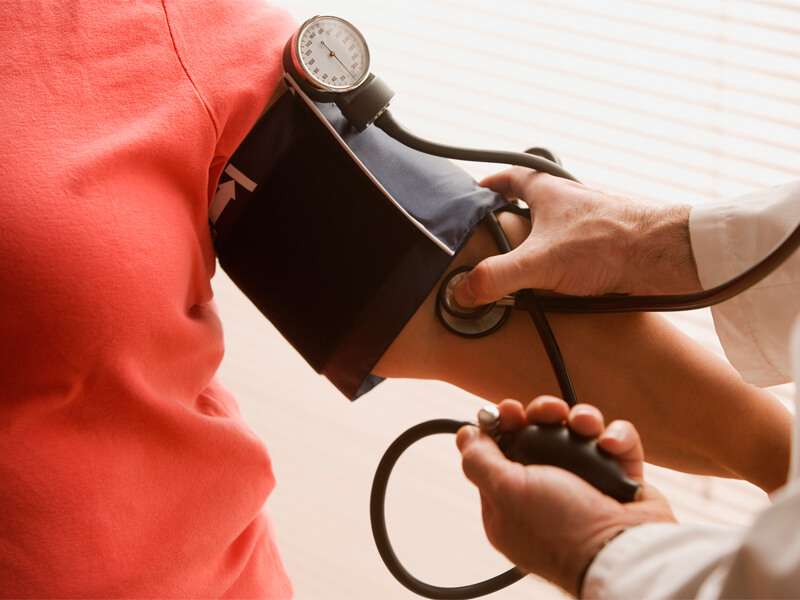
COPD is a progressive lung disease that makes breathing difficult due to airflow obstruction. Early recognition helps slow progression and improve comfort.
- Causes & Symptoms: Mainly caused by long-term exposure to irritants like cigarette smoke; symptoms include persistent cough, shortness of breath, wheezing.
- Diagnostic Methods: Spirometry testing assesses lung function; chest X-rays may also be used.
- Treatment Plans: Includes quitting smoking, pulmonary rehabilitation exercises, inhaled medications (bronchodilators), and oxygen therapy if required.
- Lifestyle Adjustments: Vaccinations to prevent infections and avoiding pollutants are important preventive measures.
An integrated approach combining medication adherence with lifestyle changes can improve breathing capacity and enhance daily functioning for COPD patients.
TYPE 2 DIABETES CARE
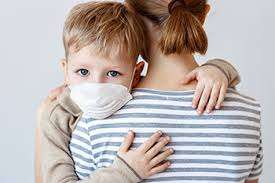
Type 2 diabetes affects how your body processes blood sugar (glucose), leading to elevated levels that can harm various organs over time. Early intervention is vital.
- Symptoms & Causes: Increased thirst, fatigue, frequent urination; caused by insulin resistance often linked to obesity and sedentary lifestyle.
- Diagnosis: Blood tests including fasting glucose and HbA1c levels help confirm diabetes.
- Treatment Strategies: Focus on balanced diet rich in fiber and low in refined sugars, regular physical activity, weight management; medications prescribed as needed.
- Lifestyle Monitoring: Regular glucose monitoring at home supports timely adjustments to treatment plans.
Lifelong adherence to recommended lifestyle changes coupled with medical supervision plays a central role in managing type 2 diabetes effectively.
HYPERTENSION MANAGEMENT
High blood pressure, or hypertension, is a common condition that can increase the risk of heart disease and stroke if left uncontrolled. Understanding and managing this condition is crucial for long-term health.
- Symptoms and Causes: Often called the 'silent killer' because it may have no symptoms; causes include genetics, obesity, high salt intake, and stress.
- Diagnosis: Blood pressure is measured using a cuff; consistent readings above 130/80 mmHg confirm hypertension.
- Treatment Options: Lifestyle modifications such as diet changes (reducing salt), regular exercise, weight loss, stress management, and medications if necessary.
- Monitoring: Ongoing tracking of blood pressure at home and regular medical check-ups are key to effective control.
With proper management combining lifestyle changes and medical care, hypertension can be effectively controlled to reduce risks and improve quality of life.