
Dr Rushabh Kundalia
About Me
Dr Rushabh Kundalia
General Physician
Biography
My Clinic
OPD Hours
| Tuesday | Morning | 10:00 AM | - | 02:00 PM |
| Evening | 06:00 PM | - | 09:00 PM | |
| Wednesday | Morning | 10:00 AM | - | 02:00 PM |
| Evening | 06:00 PM | - | 09:00 PM | |
| Thursday | Morning | 10:00 AM | - | 02:00 PM |
| Evening | 06:00 PM | - | 09:00 PM | |
| Friday | Morning | 10:00 AM | - | 02:00 PM |
| Evening | 06:00 PM | - | 09:00 PM | |
| Saturday | Morning | 10:00 AM | - | 02:00 PM |
| Evening | 06:00 PM | - | 09:00 PM | |
| Sunday | Morning | 10:00 AM | - | 02:00 PM |
| Evening | 06:00 PM | - | 09:00 PM | |
| Thursday | Morning | 10:00 AM | - | 02:00 PM |
| Evening | 06:00 PM | - | 09:00 PM |
Treatments
Specialised care and treatments offered
ALLERGIC REACTIONS

An allergic reaction occurs when the body's immune system responds abnormally to foreign substances known as allergens. These reactions can range from mild irritations to severe responses requiring emergency intervention!
- The most common signs include hives, swelling of the face/lips/tongue/throat; gastrointestinal upset; respiratory difficulties such as wheezing or trouble breathing can indicate a severe reaction called anaphylaxis .,(hence needing immediate medical help).. The diagnosis generally involves inquiry into prior allergy history alongside skin prick tests or specific IgE blood testing when appropriate.
GASTROENTERITIS MANAGEMENT

Gastroenteritis is an inflammation of the stomach and intestines often caused by viral or bacterial infections. Commonly referred to as 'stomach flu,' it leads to bothersome gastrointestinal symptoms that require prompt attention for recovery.
- Mainly presenting as diarrhea, vomiting, abdominal pain, and fever are typical symptoms experienced during episodes of gastroenteritis.
- The diagnosis usually involves evaluating symptoms along with possible laboratory tests on stool samples for specific pathogens if needed.
- Treatment focuses primarily on staying hydrated; oral rehydration solutions may help replace lost fluids. In severe cases where dehydration poses risks, hospitalization might be necessary to provide IV fluids.
- You should also practice good hygiene to prevent spreading infections especially in community settings where gastroenteritis outbreaks commonly occur.
If gastroenteritis symptoms persist beyond two days without improvement—or if severe dehydration occurs—seek medical attention promptly for further evaluation and treatment options.
ACUTE RESPIRATORY INFECTIONS
Acute respiratory infections (ARIs) encompass conditions like the common cold, bronchitis, and pneumonia. These infections affect the airways and lungs, leading to discomfort and potential complications if not addressed appropriately.
- Symptoms typically include cough, sore throat, fever, nasal congestion, and difficulty breathing depending on severity.
- The diagnosis generally involves a detailed medical history review followed by physical examinations; additional tests such as chest X-rays or sputum tests may help confirm the specific type of infection.
- Treatment usually aims at relieving symptoms—over-the-counter medications for fever or cough are common—and antibiotics may be prescribed for bacterial infections.
- Resting adequately along with maintaining hydration supports recovery while monitoring any worsening symptoms is crucial for safety.
If you suspect you have an acute respiratory infection that does not improve with home care techniques within a few days, consult your doctor immediately.
DIABETES SCREENING
Diabetes is a chronic condition that affects how your body processes glucose. Early detection through screening can significantly improve management efforts and prevent complications associated with this disease.
- Common signs include increased thirst, frequent urination, fatigue, and blurred vision; however, many people may be asymptomatic initially.
- A healthcare provider typically diagnoses diabetes through fasting blood sugar tests or A1C tests which measure average blood sugar levels over time.
- Mild cases may be managed through lifestyle modifications focused on diet and exercise; more advanced cases might require insulin therapy or other medications.
- A comprehensive approach including regular monitoring helps maintain optimal glucose levels and reduces the risk of complications like neuropathy or cardiovascular issues.
If diabetes runs in your family or you have risk factors, it’s advisable to discuss screening with your doctor for early intervention.
HYPERTENSION MANAGEMENT

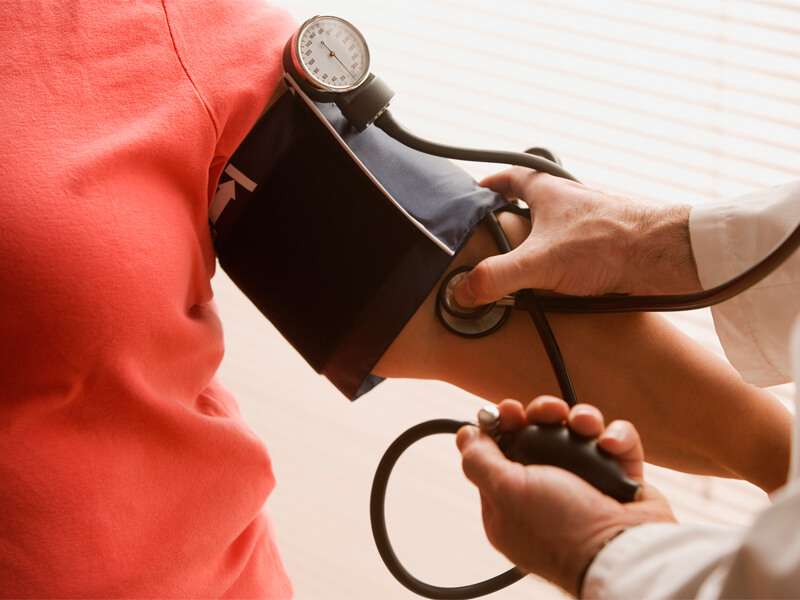
Hypertension, often referred to as high blood pressure, is a common yet serious condition that can lead to significant health issues if left untreated. It occurs when the force of the blood against the artery walls is too high, which can cause damage to blood vessels and organs.
- Symptoms may include headaches, shortness of breath, and nosebleeds, but many individuals may not experience noticeable symptoms.
- The condition is typically diagnosed through regular monitoring of blood pressure readings at home or during medical appointments.
- Treatment options often involve lifestyle changes such as adhering to a healthy diet, increasing physical activity, and in some cases, medication prescribed by a healthcare provider.
- Managing hypertension can lead to a healthier life with reduced risk of serious conditions like heart disease and stroke.
Regular check-ups and monitoring are essential for effective management, ensuring that any necessary adjustments in treatment can be made promptly.