
Dr Rushabh Shah
About Me
Dr Rushabh Shah
Ophthalmologist
Biography
My Clinic
OPD Hours
| Tuesday | Morning | 10:00 AM | - | 02:00 PM |
| Evening | 06:00 PM | - | 09:00 PM | |
| Wednesday | Morning | 10:00 AM | - | 02:00 PM |
| Evening | 06:00 PM | - | 09:00 PM | |
| Thursday | Morning | 10:00 AM | - | 02:00 PM |
| Evening | 06:00 PM | - | 09:00 PM | |
| Friday | Morning | 10:00 AM | - | 02:00 PM |
| Evening | 06:00 PM | - | 09:00 PM | |
| Saturday | Morning | 10:00 AM | - | 02:00 PM |
| Evening | 06:00 PM | - | 09:00 PM | |
| Sunday | Morning | 10:00 AM | - | 02:00 PM |
| Evening | 06:00 PM | - | 09:00 PM | |
| Thursday | Morning | 10:00 AM | - | 02:00 PM |
| Evening | 06:00 PM | - | 09:00 PM |
Treatments
Specialised care and treatments offered
PEDIATRIC EYE EXAMINATION
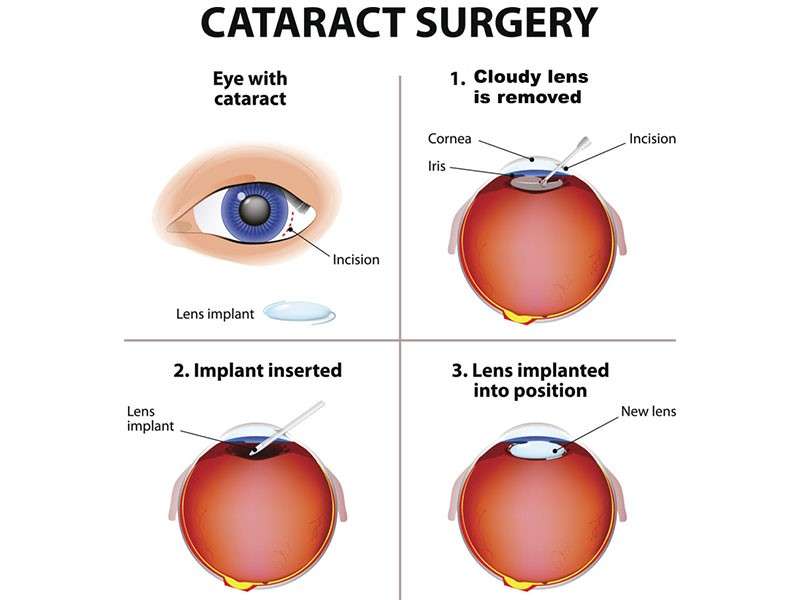
Pediatric eye examinations are specialized assessments aimed at detecting vision problems in children at an early stage. These examinations are crucial since many childhood visual impairments can be managed effectively when caught early enough!
- Symptoms & causes : Parents often report signs such as squinting excessively reading difficulties near/far away indicative needing attention < br />
This evaluative service reduces long-term educational impacts while enhancing children’s ability explore their world clearly empowering them altogether!
CONTACT LENS FITTING
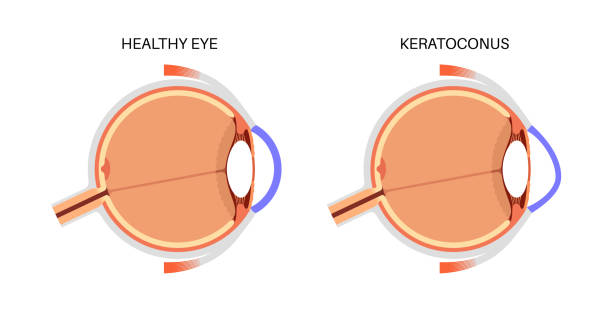
The process of contact lens fitting helps ensure proper lens selection tailored specifically to individual needs. Correctly fitted lenses improve comfort and clarity while reducing potential complications associated with improper use.
- Symptoms : Patients seeking contact lenses may experience unduly dry eyes with glasses or desire improved aesthetics over frames
Customizing contact lenses empowers individuals towards achieving their desired visual outcomes alongside possible added benefits!
OPTICAL COHERENCE TOMOGRAPHY (OCT)
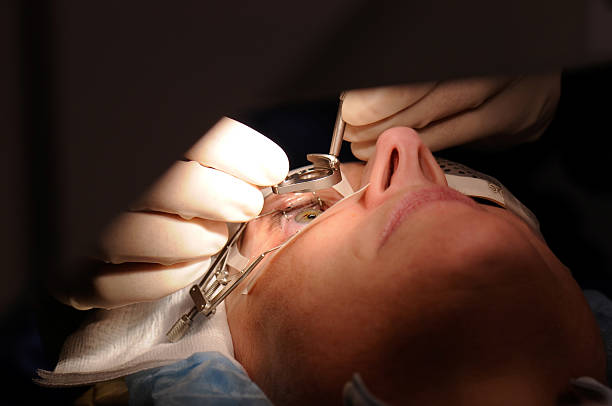
Optical Coherence Tomography (OCT) is an advanced imaging technique allowing detailed visualization of the layers within the retina. It serves a vital role in diagnosing numerous retinal disorders effectively without invasive procedures.
- Symptoms & causes: Patients may present with visual distortions or color changes that could indicate underlying retinal issues requiring rapid assessment.
- Diagnosis: OCT illustrates cross-sectional images enabling precise diagnosis of conditions such as macular holes or swelling due to fluid leakage.
- Treatment options: Depending on findings from OCT scans, physicians can recommend targeted treatments like anti-VEGF injections or surgical interventions when necessary.
- What to expect: This painless procedure generally lasts around 10-15 minutes with no recovery time needed afterward unless dilation occurs during your comprehensive exam prior to it!
This innovative technique enhances our capabilities in accurately diagnosing retinal diseases at an early stage!
VISUAL FIELD TESTING
Visual field testing is crucial for assessing peripheral vision and detecting problems related to various neurological conditions as well as eye diseases. This test is often part of routine screenings for glaucoma.
- Symptoms: A patient may recognize issues such as difficulty seeing from the side or experiencing blind spots in their field of vision.
- Diagnosis: The test involves looking at a specific point while noting when peripheral objects appear in sight, allowing for the identification of vision loss patterns.
- Treatment options: Depending on results, management might involve monitoring changes over time or treatment options such as medication aimed at controlling underlying conditions.
- What to expect: The test itself is straightforward and typically takes about 30 minutes; patience is required but discomfort is minimal.
This form of testing plays a vital role in preserving sight by identifying potential threats early on through thorough evaluations.
RETINAL IMAGING
Retinal imaging is a non-invasive diagnostic tool that provides detailed pictures of the retina's structure. This technology aids in early detection and monitoring of various eye diseases.
- Symptoms & causes: Patients might not notice symptoms until significant damage has occurred, emphasizing the importance of regular screenings.
- Diagnosis: High-resolution images help identify conditions like diabetic retinopathy, age-related macular degeneration, or retinal detachments.
- Treatment options: Findings from imaging can guide treatment strategies including laser therapy or injections if necessary.
- What to expect: The procedure is quick and painless; however, you might experience temporary effects from pupil dilation used during the exam.
This advanced imaging technique significantly enhances our ability to diagnose and manage ocular diseases effectively.
COMPREHENSIVE EYE EXAMINATION
A comprehensive eye examination is essential for maintaining optimal ocular health. It involves a series of tests designed to assess vision and examine the overall health of the eyes.
- Symptoms: Many patients experience blurred vision, eye strain, or headaches, which may prompt an exam.
- Diagnosis: The evaluation includes visual acuity tests, refraction assessment, and checks for common conditions like glaucoma or cataracts.
- Treatment options: Depending on findings, management may include corrective lenses, medication, or referral for surgical procedures.
- What to expect: The visit usually lasts about an hour and may involve dilation of pupils for a clearer view of internal structures.
Regular examinations are key to catching potential issues early and ensuring long-term eye health.