
Dr Rutuj Kamdar
About Me
Dr Rutuj Kamdar
General Physician
Biography
My Clinic
OPD Hours
| Tuesday | Morning | 10:00 AM | - | 02:00 PM |
| Evening | 06:00 PM | - | 09:00 PM | |
| Wednesday | Morning | 10:00 AM | - | 02:00 PM |
| Evening | 06:00 PM | - | 09:00 PM | |
| Thursday | Morning | 10:00 AM | - | 02:00 PM |
| Evening | 06:00 PM | - | 09:00 PM | |
| Friday | Morning | 10:00 AM | - | 02:00 PM |
| Evening | 06:00 PM | - | 09:00 PM | |
| Saturday | Morning | 10:00 AM | - | 02:00 PM |
| Evening | 06:00 PM | - | 09:00 PM | |
| Sunday | Morning | 10:00 AM | - | 02:00 PM |
| Evening | 06:00 PM | - | 09:00 PM | |
| Thursday | Morning | 10:00 AM | - | 02:00 PM |
| Evening | 06:00 PM | - | 09:00 PM |
Treatments
Specialised care and treatments offered
HYPERLIPIDEMIA
The term hyperlipidemia refers to elevated levels of lipids (fats) in the blood which can increase the risk of heart disease. Awareness about this condition aids in taking necessary steps towards health improvement.
- Causative Factors: Contributing factors often include poor diet high in saturated fats, sedentary lifestyle, obesity, and genetic predispositions.
- Sneaky Symptoms: Hyperlipidemia usually has no clear symptoms until serious consequences arise; hence regular check-ups are advised for early detection!
ASTHMA MANAGEMENT
Asthma is a chronic condition characterized by inflammation of the airways that leads to recurrent breathing difficulties. It's essential for individuals dealing with asthma to understand their condition for effective management.
- Triggers: Common triggers include allergens (like pollen), smoke, respiratory infections, cold air, or intense exercise.
- Symptoms: Individuals may experience wheezing, coughing (especially at night or early morning), chest tightness, or shortness of breath.
- Diagnosis: Diagnosis often involves medical history assessment along with lung function tests conducted by healthcare professionals.
- Treatment Options: Asthma can typically be managed with inhalers (both rescue and maintenance types) along with avoiding known triggers where possible.
- Lifestyle Considerations: Regular follow-up appointments are crucial for monitoring control over asthma symptoms and adjusting treatment as needed.
A proactive approach to understanding asthma can significantly improve quality of life for those affected by this condition.
DIABETES MANAGEMENT

Diabetes is a chronic condition that affects how your body processes glucose (sugar). With proper management strategies, individuals can maintain healthy blood sugar levels and minimize the risk of complications associated with diabetes.
- Types: There are primarily two types of diabetes: Type 1 (insulin-dependent) and Type 2 (often lifestyle-related).
- Symptoms: Common symptoms include frequent urination, increased thirst, fatigue, blurred vision, and slow-healing wounds.
- Diagnosis: Healthcare professionals diagnose diabetes using blood tests that measure glucose levels after fasting or following an oral glucose tolerance test.
- Treatment Options: Treatment may involve lifestyle adjustments such as diet changes and exercise or medication including insulin therapy for Type 1 patients.
- Lifestyle Management: Regular check-ups with healthcare providers are vital for monitoring progress and making necessary adjustments to treatment plans.
The key to successful diabetes management lies in education about the disease and proactive engagement in one's own health care journey.
HYPERTENSION
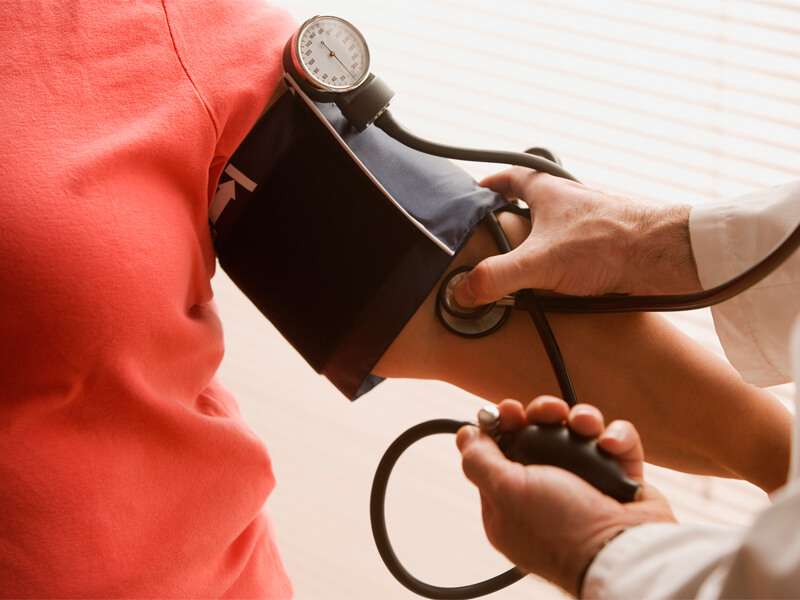
Hypertension, commonly known as high blood pressure, is a serious health condition that affects millions of individuals worldwide. It can lead to various cardiovascular diseases if left untreated. Therefore, being aware of its symptoms and management strategies is essential for maintaining overall health.
- Symptoms: Often termed the 'silent killer,' hypertension may not present noticeable symptoms initially. However, severe cases can lead to headaches, shortness of breath, or nosebleeds.
- Causes: Factors contributing to hypertension include obesity, lack of physical activity, excessive salt intake, and genetics.
- Diagnosis: A healthcare provider typically diagnoses hypertension through regular blood pressure checks during routine visits.
- Treatment and Management: Lifestyle changes such as adopting a healthier diet, increasing physical activity, and regular monitoring are crucial. In some cases, medications may be prescribed.
- What to Expect: Managing hypertension often requires ongoing commitment but can significantly reduce health risks when followed consistently.
Understanding hypertension and adhering to treatment plans plays a vital role in leading a healthier life and preventing serious complications.