
Dr Rv Singh
About Me
Dr Rv Singh
MBBS
Dermatologist
10 Years Experience
Biography
My Clinic
OPD Hours
| Monday | Morning | 10:00 AM | - | 02:00 PM |
| Evening | 06:00 PM | - | 09:00 PM | |
| Tuesday | Morning | 10:00 AM | - | 02:00 PM |
| Evening | 06:00 PM | - | 09:00 PM | |
| Wednesday | Morning | 10:00 AM | - | 02:00 PM |
| Evening | 06:00 PM | - | 09:00 PM | |
| Thursday | Morning | 10:00 AM | - | 02:00 PM |
| Evening | 06:00 PM | - | 09:00 PM | |
| Friday | Morning | 10:00 AM | - | 02:00 PM |
| Evening | 06:00 PM | - | 09:00 PM | |
| Saturday | Morning | 10:00 AM | - | 02:00 PM |
| Evening | 06:00 PM | - | 09:00 PM | |
| Sunday | Morning | 10:00 AM | - | 02:00 PM |
| Evening | 06:00 PM | - | 09:00 PM |
Treatments
Specialised care and treatments offered
SEBORRHEIC DERMATITIS
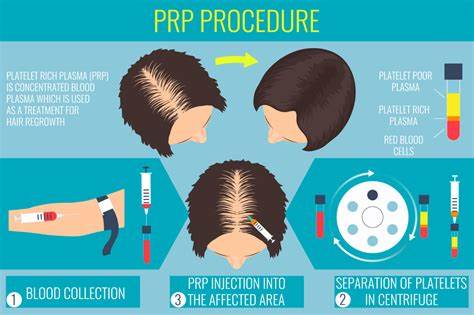
This inflammatory condition typically affects areas rich in oil glands such as scalp face chest causing flaky scales redness itchiness which can be mild or chronic relapsing course often mistaken for dandruff alone but more extensive involvement possible especially in adults elderly individuals including infants (cradle cap).
MELASMA
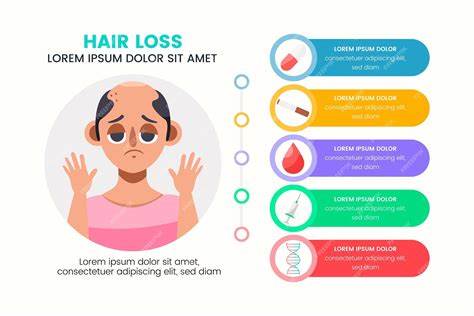
This acquired pigmentation disorder manifests as brownish patches mostly seen on sun-exposed areas of the face such as cheeks forehead nose bridge upper lip creating cosmetic concerns predominantly among women during reproductive years.
- Clinical features: symmetrical hyperpigmented macules/patches
- Etiology: hormonal influences (e.g., pregnancy oral contraceptives), ultraviolet light exposure playing crucial roles
- Diagnosis: mainly clinical supported by dermoscopy excludes mimickers
- Therapeutics: includes strict sun protection topical depigmenting agents like hydroquinone azelaic acid chemical peels laser therapy carefully selected based upon severity/patient tolerance
- Prognosis: slow improvement over weeks/months requiring compliance with skincare regimen
Persistent effort combining preventative measures alongside treatment optimizes aesthetic restoration while minimizing relapse risk under ongoing UV exposure conditions.
VITILIGO
This condition causes loss of pigment-producing cells (melanocytes), leading to patchy white spots on the skin. Vitiligo affects people of all ages and both sexes equally worldwide.
- The noticeable suspicious sign: depigmented macules progressively enlarging over months to years; commonly appearing symmetrically on hands, feet faces or around body openings such as eyes or mouth areas;
- The cause is believed to be an autoimmune attack against melanocytes although triggers remain not fully understood;
- Dermatological evaluation including Wood’s lamp examination assists accurate detection.
- Treatment involves techniques aimed at halting progression like corticosteroids/immunomodulators topicals plus phototherapy; repigmentation therapies show variable outcomes;
- Counselling regarding psychological impact forms an important part of comprehensive management given visible nature;
Lifelong monitoring is advised since vitiligo may evolve gradually but interventions can improve quality of life substantially when started early enough during stability phases.
ECZEMA (ATOPIC DERMATITIS)
Eczema is a common inflammatory skin condition characterized by dry, itchy patches that can vary in appearance depending on age and severity. It often starts in childhood but may persist into adulthood.
- The clinical signs include redness, scaling, crusting areas frequently located on the face, neck folds or limbs.
- The underlying triggers are often a combination of genetic predisposition and environmental factors such as allergens or irritants that disrupt the skin barrier.
- A healthcare provider makes the diagnosis through history-taking and examining these characteristic lesions without needing complex tests in typical cases.
- Treatment focuses on moisturizing regularly to restore barrier function alongside anti-inflammatory topical therapies like corticosteroids or calcineurin inhibitors when necessary.
- Avoidance of identified aggravants combined with lifestyle modifications helps reduce flare incidence over time.
This chronic condition requires patience but can be managed well with consistent care tailored individually to each patient’s needs.
PSORIASIS
This chronic autoimmune disorder causes rapid skin cell buildup resulting in scaling patches that can be itchy or sore. Psoriasis can appear at any age and varies in severity.
- The symptoms usually present as raised, red plaques covered with silvery scales commonly located on elbows, knees, scalp, and lower back.
- The exact cause involves immune system dysfunction triggering inflammation and accelerated skin turnover.
- a Diagnosis is primarily by clinical observation, with occasional biopsy to confirm atypical cases.
- Treatment modalities include topical steroids, vitamin D analogues, phototherapy, and systemic agents for more extensive disease.
- Avoiding known triggers like stress, infections or certain medications can lessen flare-ups significantly.
Lifelong management and regular follow-up are essential for controlling symptoms effectively while minimizing side effects from treatments.
ACNE VULGARIS
Acne vulgaris is a prevalent skin condition, commonly affecting teenagers but also adults. It results from the clogging of hair follicles with oil and dead skin cells, leading to pimples and inflammation.
- Symptoms include blackheads, whiteheads, red pimples, cysts, and sometimes scarring.
- Causes often involve hormonal changes, excess oil production, bacteria, and genetics.
- Diagnosis is generally clinical based on examination of the affected skin areas.
- Treatment options range from over-the-counter topical creams to prescription medications such as retinoids or antibiotics; severe cases may require oral therapy.
- Management includes gentle cleansing routines and avoiding factors that irritate the skin like harsh scrubbing or picking at lesions.
With appropriate treatment and care, most individuals see significant improvement over time without long-term complications.