
Dr Ryan Dsouza
About Me
Dr Ryan Dsouza
Cardiologist
Biography
My Clinic
OPD Hours
| Tuesday | Morning | 10:00 AM | - | 02:00 PM |
| Evening | 06:00 PM | - | 09:00 PM | |
| Wednesday | Morning | 10:00 AM | - | 02:00 PM |
| Evening | 06:00 PM | - | 09:00 PM | |
| Thursday | Morning | 10:00 AM | - | 02:00 PM |
| Evening | 06:00 PM | - | 09:00 PM | |
| Friday | Morning | 10:00 AM | - | 02:00 PM |
| Evening | 06:00 PM | - | 09:00 PM | |
| Saturday | Morning | 10:00 AM | - | 02:00 PM |
| Evening | 06:00 PM | - | 09:00 PM | |
| Sunday | Morning | 10:00 AM | - | 02:00 PM |
| Evening | 06:00 PM | - | 09:00 PM | |
| Thursday | Morning | 10:00 AM | - | 02:00 PM |
| Evening | 06:00 PM | - | 09:00 PM |
Treatments
Specialised care and treatments offered
STRESS TEST

A stress test assesses how well your heart functions during physical exertion. By monitoring cardiac responses under stress conditions—either through exercise or medication—healthcare providers gain insights into potential coronary artery issues effectively.
- Indications for this test often arise from symptoms such as chest pain, fatigue during exercise, or abnormal ECG findings at rest indicating underlying issues may exist when more active demands are placed on the body’s circulatory system;
Results assist physicians in understanding possible blockages within coronary arteries; they typically involve follow-up imaging studies depending on findings observed during testing assessments
TRANSESOPHAGEAL ECHOCARDIOGRAM (TEE)
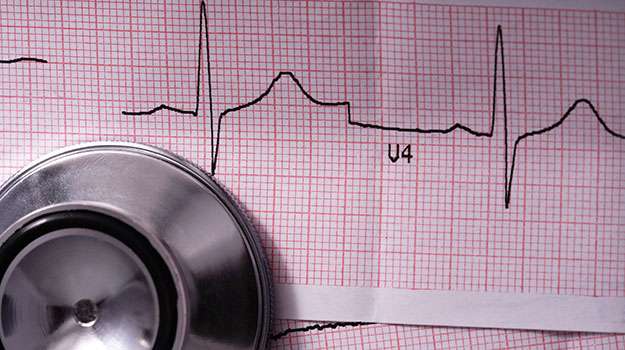
A transesophageal echocardiogram (TEE) provides detailed images of the heart structures through the esophagus. This method offers clearer pictures than standard echocardiograms when traditional views are inadequate for evaluation purposes.
- The TEE is particularly useful in diagnosing blood clots, valve diseases, or infections affecting the heart lining—conditions less visible via traditional methods.
- If you exhibit symptoms like persistent chest discomfort or unexplained strokes, a TEE may be recommended following initial evaluations.
- The procedure involves inserting a slender probe down the throat while patients are sedated to ensure comfort throughout the examination process;
CARDIAC REHABILITATION
Cardiac rehabilitation is a medically supervised program designed for individuals recovering from heart attacks, surgery, or other cardiovascular conditions. This comprehensive approach combines education and exercise tailored to individual needs.
- The program usually starts with an assessment of heart health, physical condition, and personal goals in consultation with healthcare professionals.
- Candidates may experience symptoms like extreme fatigue or anxiety post-cardiac event before joining rehabilitation services.
- A typical regimen includes supervised workouts along with educational sessions on lifestyle changes—dietary adjustments and stress management are key components.
- The end result aims at improving overall cardiovascular fitness while significantly reducing risks of future events through sustained lifestyle modifications.
This holistic approach supports not just physical recovery but also emotional well-being following serious cardiac issues, promoting long-term heart health benefits.
HOLTER MONITOR
A Holter monitor is a portable device that continuously records the heart's rhythm over 24-48 hours. This monitoring helps identify irregularities that might not be detected during a standard ECG exam.
- Patients may undergo this test if they experience sudden palpitations, dizziness, or fainting spells.
- The diagnosis process includes wearing the monitor as you go about your daily activities for accurate data collection.
- Treatment decisions may be influenced by findings from this monitor, including adjustments in medications or further tests required for specific arrhythmias.
- Post-monitoring analysis provides valuable insights into cardiac function throughout varied activities and states of rest.
This simple yet effective method ensures thorough evaluation for those with suspected irregular heartbeats, enhancing overall cardiac care strategies.
ECHOCARDIOGRAM
An echocardiogram is an essential diagnostic tool that uses ultrasound waves to create images of the heart's structure and function. It allows doctors to evaluate various cardiac conditions effectively.
- This non-invasive test helps detect valve disorders, congenital heart defects, and other structural abnormalities.
- Symptoms leading to an echocardiogram may include unexplained heart murmurs or signs of heart failure like swelling in legs or rapid fatigue.
- The process is painless and takes about 30-60 minutes, with results available shortly after completion.
- Echocardiograms guide treatment strategies, ranging from medication adjustments to surgical interventions if necessary.
This diagnostic tool plays a crucial role in managing cardiovascular health and planning patient care effectively.
ANGIOPLASTY
Angioplasty is a minimally invasive procedure used to open narrowed or blocked blood vessels in the heart. This is often necessitated by conditions such as coronary artery disease, where plaque buildup restricts blood flow.
- Symptoms of blockages can include chest pain, shortness of breath, and fatigue during physical activity.
- Diagnosis typically involves cardiac catheterization, where a thin tube is inserted into the coronary arteries to assess blockages.
- Treatment may involve placing a stent after balloon inflation to keep the artery open.
- Post-procedure, patients generally experience reduced symptoms and improved heart function.
This procedure often leads to significant improvements in quality of life for patients experiencing heart-related issues.