
Dr Ryan Dsouza
About Me
Dr Ryan Dsouza
Cardiologist
Biography
My Clinic
OPD Hours
| Tuesday | Morning | 10:00 AM | - | 02:00 PM |
| Evening | 06:00 PM | - | 09:00 PM | |
| Wednesday | Morning | 10:00 AM | - | 02:00 PM |
| Evening | 06:00 PM | - | 09:00 PM | |
| Thursday | Morning | 10:00 AM | - | 02:00 PM |
| Evening | 06:00 PM | - | 09:00 PM | |
| Friday | Morning | 10:00 AM | - | 02:00 PM |
| Evening | 06:00 PM | - | 09:00 PM | |
| Saturday | Morning | 10:00 AM | - | 02:00 PM |
| Evening | 06:00 PM | - | 09:00 PM | |
| Sunday | Morning | 10:00 AM | - | 02:00 PM |
| Evening | 06:00 PM | - | 09:00 PM | |
| Thursday | Morning | 10:00 AM | - | 02:00 PM |
| Evening | 06:00 PM | - | 09:00 PM |
Treatments
Specialised care and treatments offered
HEART FAILURE

This complex clinical syndrome occurs when the heart fails to pump effectively. It is important to recognize that this condition can develop gradually over time due to various underlying health issues.
- Symptoms: Symptoms often include chronic fatigue, shortness of breath during daily activities or while lying down, swelling in ankles/legs due to fluid retention.
ATRIAL FIBRILLATION
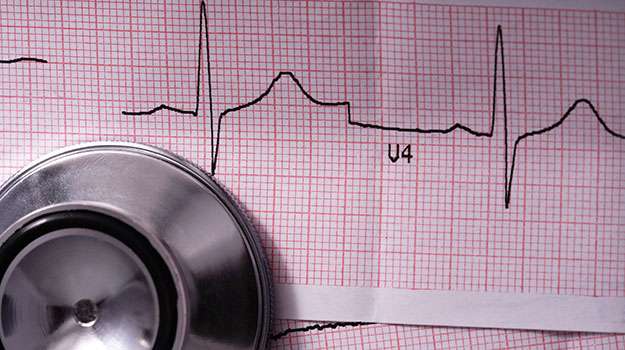
Atrial fibrillation is an irregular heartbeat that can lead to strokes and other heart-related issues if not properly managed. Awareness and timely intervention are key factors for effective treatment.
- Symptoms: Patients might notice palpitations, weakness, fatigue, lightheadedness, or chest discomfort during episodes of atrial fibrillation.
- Causes: Common causes include high blood pressure, heart valve issues, thyroid problems, or previous heart surgeries.
- Diagnosis: Diagnosis often involves ECGs or Holter monitors that track heart rhythm over time.”
- Treatment Options: Management may consist of medications to control heart rate/rhythm and anticoagulants to reduce stroke risk. Some patients might require electrical cardioversion or catheter ablation procedures for effective results.
An informed approach toward symptoms and regular consultations can greatly improve outcomes for individuals with atrial fibrillation.
CORONARY ARTERY DISEASE (CAD)
This condition arises when the coronary arteries become narrowed or blocked due to plaque buildup. Understanding CAD is vital for preventing more severe cardiovascular events.
- Symptoms: Common signs may include chest pain (angina), shortness of breath, fatigue, and in some cases, heart attacks.
- Causes: The primary contributors include high cholesterol levels, smoking, diabetes, obesity, and sedentary lifestyle choices.
- Diagnosis: CAD is often diagnosed using tests such as electrocardiograms (ECGs), stress tests, or angiograms that visualize blood flow in the arteries.
- Treatment/Management: Treatment typically involves lifestyle changes coupled with medications. Severe cases may require procedures like angioplasty or coronary artery bypass surgery.
A comprehensive approach focusing on prevention and treatment aids significantly in managing CAD effectively.
HYPERTENSION
Hypertension, commonly known as high blood pressure, is a prevalent condition often seen in adults. It can lead to severe health complications if left untreated, making awareness and management essential.
- Symptoms: Many individuals do not experience noticeable symptoms; however, some may feel headaches, dizziness, or nosebleeds.
- Causes: Factors include genetics, poor diet, lack of physical activity, obesity, and excessive alcohol consumption.
- Diagnosis: Blood pressure readings taken on multiple occasions can confirm hypertension. Additional tests may be performed to assess heart health.
- Treatment Options: Lifestyle changes such as diet modifications and increased exercise are recommended. Medications like diuretics or ACE inhibitors may also be prescribed.
- Management: Regular monitoring of blood pressure at home and routine check-ups with healthcare providers help maintain control over the condition.
Understanding hypertension is crucial for effective management to reduce the risk of heart disease and other serious health issues.