
Dr S C BohraMd-
About Me
Dr S C BohraMd-
MD
Cardiologist
10 Years Experience
Biography
My Clinic
OPD Hours
| Monday | Morning | 10:00 AM | - | 02:00 PM |
| Evening | 06:00 PM | - | 09:00 PM | |
| Tuesday | Morning | 10:00 AM | - | 02:00 PM |
| Evening | 06:00 PM | - | 09:00 PM | |
| Wednesday | Morning | 10:00 AM | - | 02:00 PM |
| Evening | 06:00 PM | - | 09:00 PM | |
| Thursday | Morning | 10:00 AM | - | 02:00 PM |
| Evening | 06:00 PM | - | 09:00 PM | |
| Friday | Morning | 10:00 AM | - | 02:00 PM |
| Evening | 06:00 PM | - | 09:00 PM | |
| Saturday | Morning | 10:00 AM | - | 02:00 PM |
| Evening | 06:00 PM | - | 09:00 PM | |
| Sunday | Morning | 10:00 AM | - | 02:00 PM |
| Evening | 06:00 PM | - | 09:00 PM |
Treatments
Specialised care and treatments offered
PERIPHERAL ARTERY DISEASE (PAD) CARE

This condition involves narrowing arteries supplying blood to limbs leading to pain often during walking due to insufficient oxygen delivery (claudication).
- Risk contributors: Smoking history , diabetes , elevated cholesterol levels , aging ; these accelerate artery hardening .
- Diagnostic approach: Physical exam assessing pulses ; Doppler ultrasound measuring arterial flow ; ankle-brachial index test compares limb versus arm pressures.
- Treatment focus: Smoking cessation paramount ; supervised exercise programs designed to improve walking distance ; medications enhancing circulation ; sometimes minimally invasive procedures required.
- Patient outlook: With dedicated lifestyle changes especially related to smoking cessation alongside prescribed therapies , many individuals experience significant symptom relief.
Evolving treatment paradigms prioritize non-invasive strategies that empower patients in managing PAD proactively day-to-day.
HEART FAILURE LIFESTYLE SUPPORT
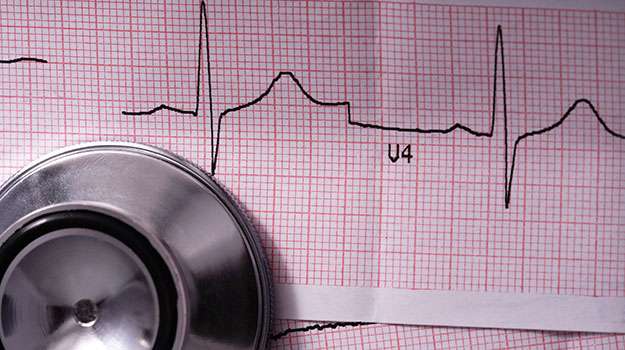
This chronic condition occurs when the heart cannot pump blood efficiently enough to meet the body's needs.
- Common causes: High blood pressure , coronary artery disease , previous heart attacks , or valve problems .
- Diagnosis: Echocardiograms , chest X-rays , blood tests , and physical examinations identify impaired cardiac function .
- Management strategies: Salt restriction , fluid monitoring , regular moderate exercise tailored individually ; medication adherence is crucial alongside these steps .
- Prognosis tips: Early recognition paired with continuous lifestyle adjustments improves symptom control and quality of life considerably .
Guided care focusing on non-pharmacologic measures complements treatment regimens ensuring better outcomes for those living with heart failure.
ARRHYTHMIA MONITORING AND CARE
An arrhythmia refers to an abnormal heartbeat rhythm which may cause palpitations or dizziness but sometimes presents without symptoms at all.
- Causative elements: Heart tissue damage from heart disease or high blood pressure; electrolyte imbalances; lifestyle triggers such as caffeine or alcohol;
- Eliciting diagnosis: Utilization of ECG monitoring devices including Holter monitors helps detect irregular heartbeats over extended periods;
- Treatment modalities: Lifestyle modifications aimed at reducing stimulants; medications to regulate rhythm; occasionally specialized procedures may be necessary based on severity;
- Lifestyle role: Managing stress levels and maintaining a balanced diet contribute significantly toward controlling arrhythmias without invasive interventions whenever possible;
A combination of careful observation and tailored treatment plans supports safe management of arrhythmic conditions effectively over time.
CORONARY ARTERY DISEASE PREVENTION
The narrowing or blockage of coronary arteries due to plaque buildup is known as coronary artery disease (CAD), which can lead to chest pain or heart attacks.
- Main contributing factors: Smoking, high blood pressure, diabetes, unhealthy eating habits, and physical inactivity increase CAD risk.
- How diagnosis works: Non-invasive tests such as ECGs and stress tests help assess blood flow and detect potential issues early; further imaging might be necessary for confirmation.
- Treatment focus: Primarily centered on lifestyle changes including quitting smoking, adopting a balanced diet low in saturated fats and sugars, engaging in regular exercise routines, plus medication when needed.
- Expected outcomes: By modifying risk factors early through lifestyle interventions combined with medical therapies where appropriate, progression of CAD can often be slowed or prevented altogether.
Taking preventive measures helps preserve heart function and reduces chances of major cardiac events down the line.
CHOLESTEROL CONTROL
Maintaining healthy cholesterol levels is vital for preventing the buildup of plaques in arteries that can lead to heart disease.
- Symptoms and causes: High cholesterol itself usually has no symptoms but can result from poor diet, sedentary lifestyle, genetics, or underlying conditions like diabetes.
- Diagnostic methods: Blood tests measuring LDL (bad cholesterol), HDL (good cholesterol), and triglycerides provide insight into lipid levels.
- Treatment options: Emphasis on dietary changes such as reducing saturated fats and trans fats intake; regular exercise; weight management; medications like statins may be recommended when lifestyle adjustments alone are insufficient.
- Lifestyle impact: Consistent adherence to recommended changes can significantly lower cardiovascular risks associated with elevated cholesterol levels.
A proactive approach to managing cholesterol supports long-term heart health by preventing artery damage early on.
HYPERTENSION MANAGEMENT
High blood pressure, or hypertension, is a common cardiovascular condition that can increase the risk of heart attack, stroke, and other serious complications if left uncontrolled.
- Symptoms and causes: Often called the "silent killer," hypertension typically shows no symptoms but may be linked to factors like genetics, poor diet, obesity, stress, and lack of exercise.
- Diagnosis: Blood pressure readings taken during medical visits help determine if hypertension is present; multiple measurements over time are used for accuracy.
- Treatment and management: Lifestyle modifications such as reduced salt intake, regular physical activity, weight loss, and stress reduction are primary approaches; medications may also be prescribed to control blood pressure effectively.
- What to expect: With proper management, blood pressure can often be maintained within a healthy range, reducing the risk of cardiovascular events and improving overall quality of life.
Adopting a heart-healthy lifestyle combined with medical guidance helps in managing hypertension safely and effectively.