
Dr S C Gaudi
About Me
Dr S C Gaudi
MBBS
Diabetologist
10 Years Experience
Biography
My Clinic
OPD Hours
| Monday | Morning | 10:00 AM | - | 02:00 PM |
| Evening | 06:00 PM | - | 09:00 PM | |
| Tuesday | Morning | 10:00 AM | - | 02:00 PM |
| Evening | 06:00 PM | - | 09:00 PM | |
| Wednesday | Morning | 10:00 AM | - | 02:00 PM |
| Evening | 06:00 PM | - | 09:00 PM | |
| Thursday | Morning | 10:00 AM | - | 02:00 PM |
| Evening | 06:00 PM | - | 09:00 PM | |
| Friday | Morning | 10:00 AM | - | 02:00 PM |
| Evening | 06:00 PM | - | 09:00 PM | |
| Saturday | Morning | 10:00 AM | - | 02:00 PM |
| Evening | 06:00 PM | - | 09:00 PM | |
| Sunday | Morning | 10:00 AM | - | 02:00 PM |
| Evening | 06:00 PM | - | 09:00 PM |
Treatments
Specialised care and treatments offered
HYPOGLYCEMIA UNAWARENESS IDENTIFICATION & MANAGEMENT
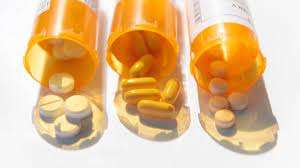
Lack of awareness about low blood sugar episodes poses serious risks for people living with diabetes. Recognizing this condition is critical in preventing dangerous outcomes.
- Definition: Hypoglycemia unawareness occurs when a person cannot perceive typical warning signs like shakiness or sweating before blood sugar drops dangerously low.
- Causes: It often develops after frequent hypoglycemic episodes blunt autonomic symptoms over time.
- Detection methods: Continuous glucose monitoring (CGM) helps identify asymptomatic low glucose events missed by routine checks.
- Treatment strategies: Adjusting medications especially insulin dosages cautiously combined with frequent glucose monitoring can restore symptom awareness.
- Avoidance tips: Structured education programs help patients recognize subtle signs earlier and adopt preventive measures like carbohydrate intake planning.
A proactive approach reduces emergency hospitalizations linked to undetected hypoglycemia significantly enhancing patient safety.
PANCREATIC ISLET CELL TRANSPLANTATION
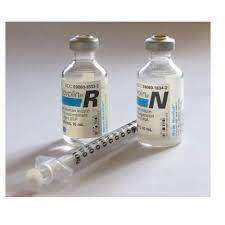
This innovative procedure involves transplanting healthy islet cells into patients suffering from type 1 diabetes to restore insulin production capability partially or fully.
DIABETIC FOOT ULCER MANAGEMENT
The management of diabetic foot ulcers demands a comprehensive approach due to the underlying neuropathy and vascular complications associated with diabetes.
- Causative factors: Poor circulation combined with nerve damage leads to impaired wound healing and increased infection risk in the feet.
- Diagnostic methods: Clinical evaluation includes assessing ulcer size, depth, signs of infection, plus vascular studies if needed.
- Treatment modalities: Involves debridement of dead tissue, infection control using antibiotics if indicated, pressure offloading through special footwear or casts, and optimizing blood sugar levels aggressively.
- Surgical interventions: May be necessary for extensive infections including abscess drainage or minor amputations when required to prevent spread.
- Aim of care: Promoting healing while preventing recurrence through patient education on foot hygiene is essential for long-term outcomes.
BARIATRIC SURGERY FOR TYPE 2 DIABETES
Bariatric surgery is increasingly recognized as an effective intervention for individuals with obesity complicated by type 2 diabetes, inducing substantial metabolic improvements.
- Candidacy criteria: Typically considered for patients with uncontrolled type 2 diabetes and significant obesity (BMI >35 kg/m²).
- Surgical options: Procedures include gastric bypass, sleeve gastrectomy, and adjustable gastric banding affecting nutrient absorption and hormonal signals related to metabolism.
- Mechanism of action: Beyond weight loss, these surgeries alter gut hormones that improve insulin sensitivity and beta-cell function.
- Pitfalls and risks: Requires lifelong nutritional supplementation, close follow-up, and commitment to lifestyle changes post-operatively.
- Treatment outcomes: Many patients achieve partial or complete remission of diabetes after surgery with better glycemic control independent of medication use.
This surgical approach offers hope for refractory diabetic cases where medical therapy alone has failed.
INSULIN PUMP THERAPY
Insulin pump therapy represents an advanced method of delivering insulin continuously to mimic natural pancreatic function more closely than injections.
- The goal: To maintain stable blood glucose levels by providing steady basal insulin along with bolus doses at mealtimes.
- Device details: The pump is a small computerized device worn externally that infuses rapid-acting insulin via a catheter under the skin.
- Patient selection: Ideal for people who need intensive insulin management or experience frequent hypoglycemia despite multiple daily injections.
- Titration and monitoring: Requires regular blood glucose monitoring or CGM integration to adjust infusion rates appropriately.
- User benefits: Offers greater flexibility in lifestyle, improved glycemic control, and reduced risk of long-term complications when used correctly.
This therapy can significantly enhance diabetes control when tailored to individual needs under specialist supervision.
CONTINUOUS GLUCOSE MONITORING (CGM)
Continuous Glucose Monitoring (CGM) offers a dynamic way to keep track of blood sugar levels, providing real-time data that greatly aids in diabetes management.
- Purpose: CGM helps detect fluctuations in glucose levels throughout the day and night, which is crucial for avoiding hypoglycemia and hyperglycemia.
- How it works: A small sensor placed under the skin measures glucose in interstitial fluid and sends data wirelessly to a monitor or smartphone.
- Diagnosis and monitoring: It allows for continuous assessment beyond periodic finger-prick tests, highlighting trends and patterns missed by traditional methods.
- Treatment adjustments: CGM guides personalized insulin dosing, dietary choices, and lifestyle modifications for better glycemic control.
- What to expect: Users may experience improved quality of life with fewer glucose-related emergencies and feedback to optimize treatment strategies.
This technology empowers patients with timely insights that support proactive diabetes care.