
Dr S Fayyaz
About Me
Dr S Fayyaz
MBBS
General Physician
10 Years Experience
Biography
My Clinic
OPD Hours
| Monday | Morning | 10:00 AM | - | 02:00 PM |
| Evening | 06:00 PM | - | 09:00 PM | |
| Tuesday | Morning | 10:00 AM | - | 02:00 PM |
| Evening | 06:00 PM | - | 09:00 PM | |
| Wednesday | Morning | 10:00 AM | - | 02:00 PM |
| Evening | 06:00 PM | - | 09:00 PM | |
| Thursday | Morning | 10:00 AM | - | 02:00 PM |
| Evening | 06:00 PM | - | 09:00 PM | |
| Friday | Morning | 10:00 AM | - | 02:00 PM |
| Evening | 06:00 PM | - | 09:00 PM | |
| Saturday | Morning | 10:00 AM | - | 02:00 PM |
| Evening | 06:00 PM | - | 09:00 PM | |
| Sunday | Morning | 10:00 AM | - | 02:00 PM |
| Evening | 06:00 PM | - | 09:00 PM |
Treatments
Specialised care and treatments offered
PNEUMONIA

Pneumonia is an infection that inflames the air sacs in one or both lungs. It can be caused by various organisms including bacteria, viruses, or fungi. Understanding pneumonia's symptoms helps in seeking timely medical intervention which could be lifesaving especially for high-risk groups such as older adults and those with pre-existing conditions.
- Symptoms: Cough (possibly producing phlegm), fever/chills, difficulty breathing may occur depending upon severity of the manifestation.
ACUTE GASTROENTERITIS

Acute gastroenteritis is an inflammation of the gastrointestinal tract that can cause diarrhea, vomiting, nausea, and abdominal cramps. This condition often results from viral or bacterial infections though it can also stem from contaminated food or water sources.
- Symptoms : Diarrhea (often watery), vomiting; potential fever; dehydration signs like dry mouth or dizziness.
- Diagnosis : Based on clinical evaluation; stool tests might be conducted if infection is suspected.
- Treatment Options : Focus on hydration with oral rehydration solutions; medication may not be necessary unless there's a severe bacterial infection.
- Management Strategies : Resting is vital while the body fights off the infection; gradually reintroducing solid foods as tolerated.
- What to Expect : Most cases resolve spontaneously within a few days but maintaining hydration during this time is essential for recovery.
Seeking medical advice becomes important if symptoms persist or worsen substantially during recovery periods.
ASTHMA
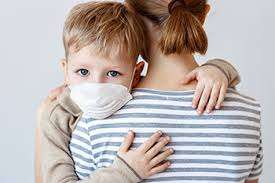
Asthma is a chronic respiratory condition that affects the airways in the lungs. It causes inflammation and narrowing of the air passages, leading to difficulty breathing. Recognition of triggers and appropriate management strategies can significantly improve quality of life.
- Symptoms: Shortness of breath, wheezing, coughing especially at night or early morning.
- Diagnosis: Diagnosis typically involves lung function tests and patient history review regarding asthma triggers.
- Treatment Options: Inhalers (bronchodilators) for quick relief; long-term control medications include inhaled corticosteroids.
- Trigger Management: Avoiding allergens or irritants like smoke ensures better control of symptoms.
- Living with Asthma: Most individuals can manage their symptoms effectively through prescribed treatments and avoiding known triggers.
Your healthcare provider will guide you through an individualized care plan tailored specifically for your asthma needs.
DIABETES MELLITUS
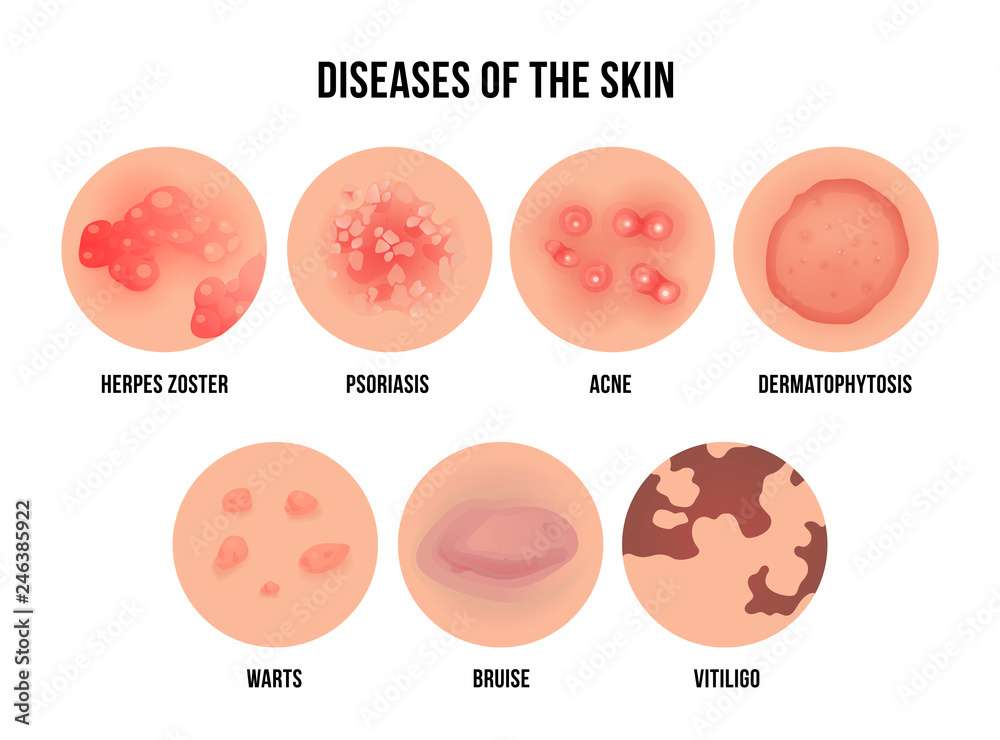
Diabetes mellitus is a chronic condition characterized by elevated blood sugar levels due to insulin deficiency or resistance. It requires careful management to prevent complications affecting various organs in the body.
- Symptoms: Increased thirst, frequent urination, fatigue, blurred vision are common signs.
- Diagnosis: Blood tests measuring glucose levels are essential for diagnosing diabetes types.
- Treatment Options: Includes lifestyle modification; type 1 diabetes often requires insulin therapy while type 2 may be managed with oral medications or insulin as needed.
- Management Strategies: Monitoring blood sugar regularly, adhering to dietary recommendations, and engaging in physical activity are crucial steps.
- What to Anticipate: With diligent care, individuals can lead a healthy life despite having diabetes.
Comprehensive education about this condition aids in effective self-management and better health outcomes.
HYPERTENSION
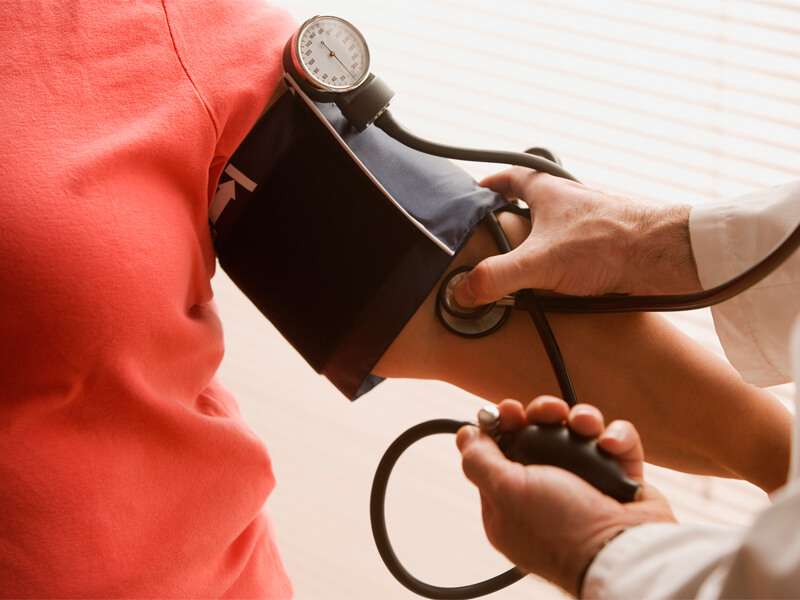
Hypertension, commonly known as high blood pressure, is a prevalent condition that can lead to serious health complications if left untreated. This condition often develops over many years and can affect anyone. Understanding its symptoms and management is crucial for maintaining good health.
- Symptoms: Often asymptomatic; headaches, shortness of breath, or nosebleeds in severe cases.
- Diagnosis: Blood pressure readings taken on multiple occasions, along with medical history assessment.
- Treatment Options: Lifestyle changes like diet and exercise; medications such as diuretics or ACE inhibitors may be prescribed.
- Management: Regular monitoring and follow-up appointments to adjust treatment as necessary.
- What to Expect: With proper management, individuals can control their blood pressure effectively and reduce risks of heart disease.
Early detection and proactive management are key to living well with hypertension.