
Dr S G Agrawal
About Me
Dr S G Agrawal
MBBS
General Physician
Biography
My Clinic
OPD Hours
| Monday | Morning | 10:00 AM | - | 02:00 PM |
| Evening | 06:00 PM | - | 09:00 PM | |
| Tuesday | Morning | 10:00 AM | - | 02:00 PM |
| Evening | 06:00 PM | - | 09:00 PM | |
| Wednesday | Morning | 10:00 AM | - | 02:00 PM |
| Evening | 06:00 PM | - | 09:00 PM | |
| Thursday | Morning | 10:00 AM | - | 02:00 PM |
| Evening | 06:00 PM | - | 09:00 PM | |
| Friday | Morning | 10:00 AM | - | 02:00 PM |
| Evening | 06:00 PM | - | 09:00 PM | |
| Saturday | Morning | 10:00 AM | - | 02:00 PM |
| Evening | 06:00 PM | - | 09:00 PM | |
| Sunday | Morning | 10:00 AM | - | 02:00 PM |
| Evening | 06:00 PM | - | 09:00 PM |
Treatments
Specialised care and treatments offered
PREVENTIVE HEALTH SCREENINGS
CHOLESTEROL SCREENING

A cholesterol screening checks lipid levels in your blood to assess cardiovascular health. Maintaining balanced cholesterol levels is essential for reducing heart disease risk factors.
- Symptoms: High cholesterol usually does not present noticeable symptoms unless serious health issues arise later on; hence regular screenings are recommended.
- Diagnosis: A simple blood test measures different types of lipids—LDL (bad), HDL (good), and triglycerides—in your bloodstream.
- Treatment Strategies: Lifestyle changes—such as dietary adjustments (reducing saturated fat) and increasing physical activity—are often the first line of defense against high cholesterol levels. Medications might be prescribed as needed.
- Monitoring Progress: Regular follow-up visits will help ensure that cholesterol levels remain within a healthy range through tailored intervention methods.
By understanding your cholesterol profile early on you empower yourself against future cardiovascular diseases!
ALLERGY TESTING
An allergy test is a procedure used to determine what substances trigger allergic reactions in individuals. Understanding allergy triggers is vital for effective management of allergic conditions.
- Symptoms: Reactions may range from sneezing and itching to severe reactions such as anaphylaxis depending on the allergen exposure.
- Diagnosis Methods: Skin tests or blood tests are commonly employed to identify specific allergens causing sensitivity in patients.
- Treatment Plan: Once the allergens are identified, avoidance strategies are developed alongside medications like antihistamines or corticosteroids when necessary.
This personalized approach helps improve overall well-being by minimizing exposure to known allergens.
COLD AND FLU TREATMENT
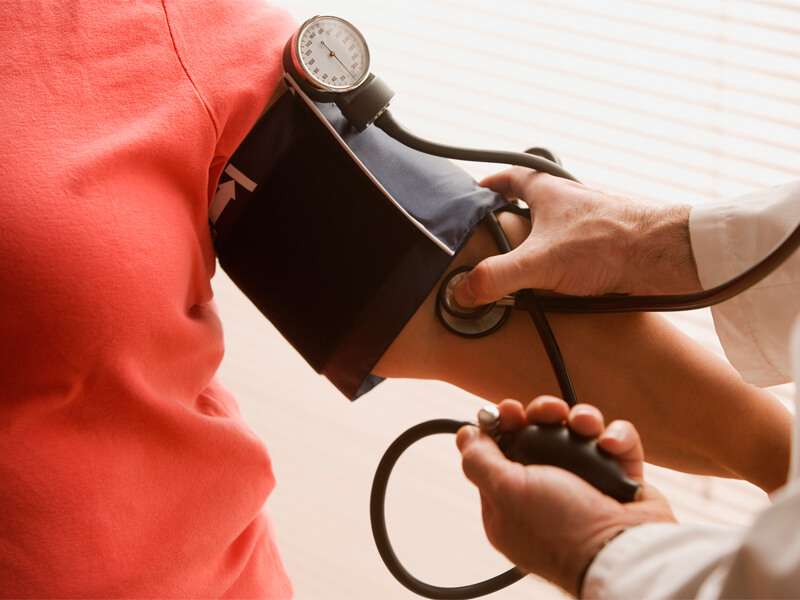
The common cold and flu are viral infections that affect the upper respiratory tract. Though often self-limiting, they can cause significant discomfort if not managed appropriately.
- Symptoms: Typical symptoms include a runny nose, sore throat, cough, body aches, fever, and fatigue.
- Diagnosis: A healthcare provider can usually identify these illnesses based on symptom history and examination without specific tests needed in most cases.
- Treatment: Management primarily focuses on relieving symptoms; over-the-counter medications like decongestants and pain relievers can be helpful.
- Caring at Home: Staying hydrated and resting are crucial components of recovery from both conditions.
If symptoms persist or worsen over time, further evaluation may be necessary to rule out other illnesses or complications.
DIABETES SCREENING

Screening for diabetes is an important preventive measure that allows for early diagnosis and management of this chronic condition. Being proactive can help mitigate the risks associated with diabetes.
- Symptoms: Common signs include increased thirst, frequent urination, extreme fatigue, and blurred vision.
- Diagnosis: Testing typically involves a fasting glucose test or an A1C test to evaluate average blood sugar levels over time.
- Treatment Options: Depending on the type of diabetes diagnosed, treatment may include lifestyle changes, monitoring blood sugar levels regularly, and medication or insulin therapy.
- Coping Strategies: Education on nutrition and physical activity is vital in managing diabetes effectively.
The goal is to maintain healthy blood sugar levels to prevent long-term complications associated with the disease.
HYPERTENSION MANAGEMENT
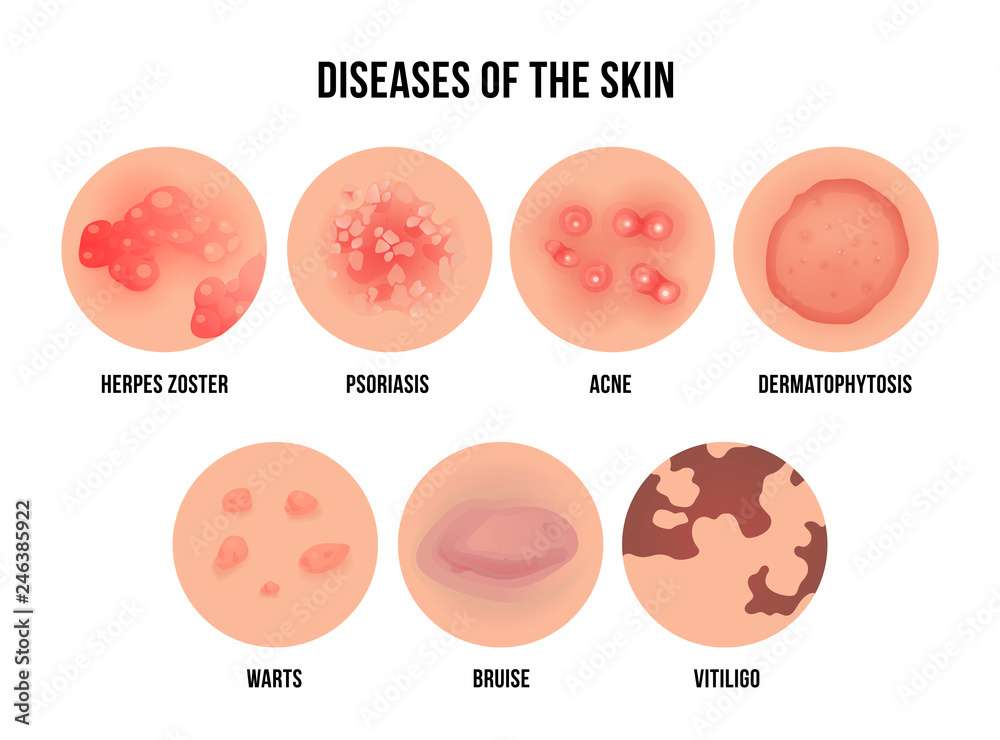
Managing hypertension, or high blood pressure, is crucial for maintaining overall health. This condition often develops without noticeable symptoms, making regular check-ups essential for early detection.
- Symptoms: Many individuals may not feel any symptoms; however, severe cases can lead to headaches, dizziness, or nosebleeds.
- Diagnosis: Blood pressure is measured using a sphygmomanometer during routine physical exams.
- Treatment: Lifestyle changes such as diet modifications and exercise are often recommended, alongside possible medication to help control blood pressure levels.
- Management: Regular monitoring and adjustments in treatment plans are necessary for effective long-term control.
- What to Expect: With appropriate management, individuals can significantly reduce the risk of complications like heart disease or stroke.
A proactive approach to controlling hypertension can enhance quality of life and longevity.