
Dr S G Parasramani
About Me
Dr S G Parasramani
Dermatologist
Biography
My Clinic
OPD Hours
| Tuesday | Morning | 10:00 AM | - | 02:00 PM |
| Evening | 06:00 PM | - | 09:00 PM | |
| Wednesday | Morning | 10:00 AM | - | 02:00 PM |
| Evening | 06:00 PM | - | 09:00 PM | |
| Thursday | Morning | 10:00 AM | - | 02:00 PM |
| Evening | 06:00 PM | - | 09:00 PM | |
| Friday | Morning | 10:00 AM | - | 02:00 PM |
| Evening | 06:00 PM | - | 09:00 PM | |
| Saturday | Morning | 10:00 AM | - | 02:00 PM |
| Evening | 06:00 PM | - | 09:00 PM | |
| Sunday | Morning | 10:00 AM | - | 02:00 PM |
| Evening | 06:00 PM | - | 09:00 PM | |
| Thursday | Morning | 10:00 AM | - | 02:00 PM |
| Evening | 06:00 PM | - | 09:00 PM |
Treatments
Specialised care and treatments offered
HAIR LOSS
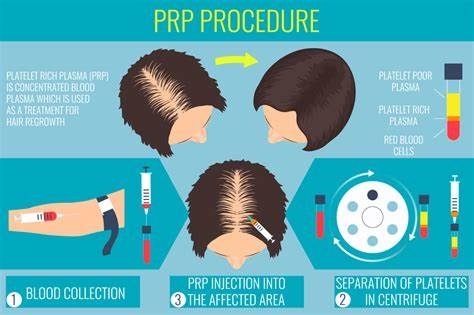
Hair loss affects both men and women at varying life stages and can stem from genetic factors (androgenetic alopecia), stressors or nutritional deficiencies among others. Addressing hair loss early provides more beneficial outcomes through proper diagnosis along available interventions!
- Common forms present themselves either gradually over time (androgenetic alopecia) or suddenly based upon environmental influences impacting growth cycles significantly altering hairstyles desired aesthetics reinforcement efforts made while managing overall wellbeing too!
- Please consult skilled specialists equipped formally diagnosing challenges faced evaluating extent before determining solution approaches adopted help restore confidence levels whilst improving scalp vitality additionally promoting healthier strands regrowth speeds effectively!
ROSACEA
This chronic inflammatory condition primarily affects facial skin causing redness and visible blood vessels. Often confused with acne or eczema due to similar appearances, rosacea has unique characteristics that require specialized attention for effective management strategies.
- Symptoms encompass facial flushing followed by persistent redness accompanied by bumps.
- Diagnosis relies on clinical evaluation alongside discussion regarding symptom history.
- Management usually entails using topical medications while lifestyle alterations such as avoiding triggering activities greatly improve control measures.
- In some cases oral antibiotics might be prescribed based upon severity levels noted during assessments.
- Understanding how factors like weather changes affect symptoms allows patients better coping mechanisms when they arise.
With appropriate guidance individuals living with rosacea may find ways minimize discomfort while enhancing appearance available through consultation services tailored specifically towards their needs!
HYPERPIGMENTATION

Hyperpigmentation occurs when certain areas of the skin become darker due to excess melanin production. It can arise from various factors including sun exposure, hormonal changes or post-inflammatory responses from injuries or acne. Understanding this condition aids in effective treatment planning.
- Main causes involve sun damage or inflammation leading to increased melanin in localized areas.
- A dermatologist confirms hyperpigmentation through visual assessment; further tests may be necessary if underlying conditions are suspected.
- Treatment options often include topical brighteners like hydroquinone or vitamin C serums alongside procedures like chemical peels for long-lasting results.
- Sunscreen application is crucial in preventing further pigmentation issues from developing during treatment phases.
- An individualized treatment plan ensures optimal management suitable for your specific situation.
Consistent care practices can provide significant relief from this condition over time.
ACNE
Acne is one of the most common skin conditions affecting millions worldwide. It's primarily caused by clogged pores due to excess sebum production, dead skin cells, and bacteria. Recognizing potential triggers and effective treatments can foster better skin health.
- Main symptoms include pimples, blackheads, whiteheads, and cysts predominantly on the face, back, and shoulders.
- The diagnosis typically involves a thorough examination of the affected areas along with discussing medical history.
- Treatment options may include topical retinoids, antibiotics, or hormonal therapies tailored to individual needs.
- Incorporating a gentle skincare routine while avoiding harsh products promotes healthier skin behavior.
- Ongoing consultations are vital for monitoring progress and adjusting treatment strategies accordingly.
An informed approach combined with professional guidance can significantly improve acne outcomes over time.
PSORIASIS
Psoriasis is an autoimmune condition characterized by rapid skin cell turnover, leading to thick, scaly patches on the skin's surface. This chronic disorder can significantly impact one's quality of life and requires comprehensive understanding for management.
- The main symptoms include red patches covered with silvery scales, which may itch or burn.
- A dermatologist usually diagnoses psoriasis through a physical exam; sometimes a biopsy is performed for confirmation.
- Treatment options consist of topical treatments, phototherapy, and systemic medications depending on severity.
- Lifestyle modifications such as stress management and diet changes can also play a role in symptom control.
- Maintaining regular dermatological check-ups helps in tracking the effectiveness of treatments over time.
With proper care, individuals can manage symptoms effectively to lead fulfilling lives.
ECZEMA
Eczema, commonly known as atopic dermatitis, is a chronic condition that manifests as inflamed, itchy skin. It often appears in early childhood but can occur at any age. Understanding its triggers and symptoms is essential for effective management.
- Symptoms include red, dry patches of skin that may ooze or crust over.
- Diagnosis typically involves a physical examination and reviewing personal and family medical histories.
- Treatment options range from moisturizers to topical corticosteroids and antihistamines for itching relief.
- Avoiding known triggers, such as certain soaps or allergens, can help manage flare-ups.
- Regular follow-up appointments are important to adjust the treatment plan as needed.
This condition can be effectively managed through ongoing care and education about skin health.