
Dr S K Loothra
About Me
Dr S K Loothra
MS
Orthopaedic Surgeons
10 Years Experience
Biography
My Clinic
OPD Hours
| Monday | Morning | 10:00 AM | - | 02:00 PM |
| Evening | 06:00 PM | - | 09:00 PM | |
| Tuesday | Morning | 10:00 AM | - | 02:00 PM |
| Evening | 06:00 PM | - | 09:00 PM | |
| Wednesday | Morning | 10:00 AM | - | 02:00 PM |
| Evening | 06:00 PM | - | 09:00 PM | |
| Thursday | Morning | 10:00 AM | - | 02:00 PM |
| Evening | 06:00 PM | - | 09:00 PM | |
| Friday | Morning | 10:00 AM | - | 02:00 PM |
| Evening | 06:00 PM | - | 09:00 PM | |
| Saturday | Morning | 10:00 AM | - | 02:00 PM |
| Evening | 06:00 PM | - | 09:00 PM | |
| Sunday | Morning | 10:00 AM | - | 02:00 PM |
| Evening | 06:00 PM | - | 09:00 PM |
Treatments
Specialised care and treatments offered
SPORTS INJURIES
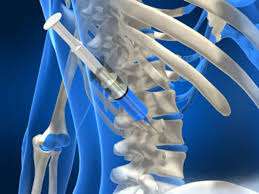
A wide array of injuries arising from sports-related activities fall under this category. They often occur due to excessive force placed on muscles or joints during high-impact movements while participating in various competitive or recreational sports activities.
- < l i > Symptoms: Common complaints among athletes include ligament sprains leading resulting swelling tenderness noticeable bruisings< br />< l i > Causes: Many factors influence injury occurrences ranging from inadequate warm-ups insufficient equipment mismatched skill levels compared existing exertion rates sustained over prolonged periods continually nursing fatigue states persisting between competitions bouts repeatedly targeting specific muscle groups exhaustively thereby increasing wear tear compounded extraordinary risks encounters resulting sustained traumas accrued nevertheless awaiting further insights understanding approach overall wellbeing moving forward safely attached advisement protocols indicating appropriate rehabilitative techniques adopted sooner rather than later!< br />
FROZEN SHOULDER

This condition is characterized by stiffness and pain in shoulder joints due to inflammation. The shoulder capsule thickens and tightens around the shoulder joint restricting movement significantly over time without intervention.
- Main Symptoms: Patients often report gradual shoulder ache that worsens at night along with limited range-of-motion abilities during routine activities.
- Potential Causes: Sometimes arises post-injury or surgery but can also develop idiopathically even without any preceding incident involved—common among diabetics too!
- Diagnosis Procedure: Physical examinations identifying restricted mobility are key; imaging scans may complement evaluations depending upon perceived severity levels roughly classified via stages throughout progression phases outlined below
- Treatment Options: Successfully managing frozen shoulder necessitates patience presumed reliance on targeted physiotherapy routines emphasizing stretching exercises complemented by enhanced heat application therapies integrated alongside anti-inflammatory medications accordingly
Attending carefully will dictate favorable long-term outcomes improving complete rehabilitation processes ultimately guiding engendered return desired pre-injury states swiftly actualizing enhanced lifestyles thereafter!
CARPAL TUNNEL SYNDROME

This condition results from pressure on the median nerve as it travels through the wrist's carpal tunnel. Symptoms typically manifest gradually but can significantly disrupt daily activities if left unaddressed.
- Affected individuals often experience tingling sensations or numbness in fingers; this sensation might extend into the hand and forearm at times.
- The diagnosis process generally combines clinical assessments with patient symptom reporting related to hand function before confirming with nerve conduction studies if necessary.
- Treatment approaches focus primarily on non-surgical methods including wrist splinting during night hours coupled with activity modification throughout daytime work routines.
- If symptoms persist despite conservative care options over time; consultations regarding further evaluations may be warranted leading towards surgical intervention under expert guidance.
Being proactive plays an invaluable role against advancing conditions affecting day-to-day lives.
PLANTAR FASCIITIS

This common foot condition involves inflammation of the plantar fascia—the thick band of tissue that runs across the bottom of your foot. It is often characterized by heel pain that occurs with initial steps after periods of rest.
- The primary symptom includes sharp heel pain upon standing or walking first thing in the morning or after sitting for extended periods.
- A variety of factors can contribute to its occurrence including excessive foot arching (high arches), flat feet, or prolonged standing on hard surfaces.
- A thorough diagnosis usually includes a detailed medical history followed by a physical examination focusing on foot structure and movement patterns.
- Treatment strategies typically involve stretching exercises for the Achilles tendon and plantar fascia along with orthotic devices if needed for better support.
- Patients can expect gradual improvement in symptoms through consistent treatment efforts combined with lifestyle adjustments such as wearing supportive footwear.
Pain relief strategies play a crucial role in managing plantar fasciitis while allowing for continued activity without excessive discomfort.
TENDINITIS

Tendinitis refers to the inflammation of a tendon—a thick fibrous cord that attaches muscle to bone. This condition often occurs in the shoulders, elbows, wrists, knees, and heels.
- Common Symptoms: Patients generally experience pain around the affected joint, tenderness during movement, and swelling.
- Causes: Tendinitis may result from repetitive motion or overuse injuries linked to sports or occupational activities.
- Diagnosis Method: A healthcare professional typically conducts a physical examination combined with imaging studies if necessary to confirm diagnosis.
- Treatment Options: Non-surgical management includes rest, ice therapy, anti-inflammatory medications, and physical therapy exercises aimed at strengthening surrounding muscles.
- What to Expect: With proper care and adherence to treatment protocols, most individuals can significantly alleviate symptoms within weeks.
Taking early action against tendinitis enhances recovery prospects and improves functional capacity.
OSTEOARTHRITIS

Osteoarthritis is a degenerative joint disease that occurs when the protective cartilage on the ends of the bones wears down over time. It is most commonly seen in weight-bearing joints such as the knees, hips, and spine.
- Symptoms: Common signs include joint pain, stiffness, swelling, and decreased flexibility.
- Causes: Factors like age, obesity, joint injuries, and genetic predisposition can contribute to its development.
- Diagnosis: Diagnosis typically involves a physical examination, medical history review, and imaging tests like X-rays or MRIs.
- Treatment: Management options range from lifestyle modifications such as exercise and weight management to medications for pain relief and inflammation.
- Expectations: While osteoarthritis is a chronic condition that may worsen over time, appropriate management can help reduce symptoms and improve quality of life.
Understanding osteoarthritis empowers individuals to take proactive steps in managing their health effectively.