
Dr S K Sharma`s D
About Me
Dr S K Sharma`s D
ENDOCRINOLOGIST
Biography
My Clinic
OPD Hours
| Monday | Morning | 10:00 AM | - | 02:00 PM |
| Evening | 06:00 PM | - | 09:00 PM | |
| Tuesday | Morning | 10:00 AM | - | 02:00 PM |
| Evening | 06:00 PM | - | 09:00 PM | |
| Wednesday | Morning | 10:00 AM | - | 02:00 PM |
| Evening | 06:00 PM | - | 09:00 PM | |
| Thursday | Morning | 10:00 AM | - | 02:00 PM |
| Evening | 06:00 PM | - | 09:00 PM | |
| Friday | Morning | 10:00 AM | - | 02:00 PM |
| Evening | 06:00 PM | - | 09:00 PM | |
| Saturday | Morning | 10:00 AM | - | 02:00 PM |
| Evening | 06:00 PM | - | 09:00 PM | |
| Sunday | Morning | 10:00 AM | - | 02:00 PM |
| Evening | 06:00 PM | - | 09:00 PM |
Treatments
Specialised care and treatments offered
OSTEOPOROSIS PREVENTION
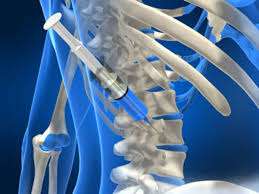
This condition causes bones to become weak and brittle over time. Understanding osteoporosis is vital for prevention strategies focusing on bone health throughout life stages.
- Symptoms might not be obvious until bones become significantly weakened resulting in fractures after minor falls.
- Diagnosis includes bone density testing which assesses the strength of bones relative to age norms.
- Prevention involves adopting a balanced diet rich in calcium and vitamin D coupled with regular weight-bearing exercises aimed at enhancing bone strength.
- Lifestyle modifications such as quitting smoking or limiting alcohol consumption significantly contribute toward improving bone density over time.
Employing proactive measures dramatically reduces an individual's risk of osteoporosis-related complications later in life.
POLYCYSTIC OVARY SYNDROME (PCOS)

This complex endocrine disorder affects many women of reproductive age. PCOS can lead to various symptoms but often requires careful management for effective control of its effects on overall health.
- The primary symptoms, which vary widely among individuals, often include irregular menstrual cycles, weight gain, acne issues, or excessive hair growth (hirsutism).
- A diagnosis typically involves pelvic examinations along with hormonal assessments via blood tests targeting androgen levels.
- Treatment focuses on lifestyle interventions like maintaining a healthy weight through diet and exercise alongside potential medication for hormonal regulation if needed.
- Regular monitoring helps ensure optimal results along with addressing emotional well-being associated with PCOS symptoms.
Timely management supports better reproductive health and overall quality of life for those affected by PCOS.
METABOLIC SYNDROME

This syndrome is characterized by a cluster of conditions that increase the risk of heart disease and diabetes. Managing metabolic syndrome requires an integrated approach focusing on lifestyle changes.
- This syndrome's symptoms, while not always visible, often include high blood pressure, abnormal cholesterol levels, increased waist circumference, and elevated blood sugar levels.
- A healthcare professional will diagnose it through comprehensive physical exams alongside blood tests measuring key health indicators.
- Treatment strategies typically emphasize dietary adjustments tailored for heart health along with increased physical activity routines.
- Addressing any underlying issues linked to hormonal balance is also crucial for effective management.
With proper guidance and commitment to change, most individuals can successfully manage metabolic syndrome.
OBESITY MANAGEMENT

Obesity is a complex condition often influenced by various factors such as genetics, environment, and lifestyle. Successful management aims at achieving a healthier body weight for better overall health.
- The main causes of obesity can vary from overeating to lack of physical activity or hormonal imbalances.
- A healthcare provider typically assesses obesity through BMI calculations and medical history reviews.
- Treatment commonly includes dietary counseling, individualized exercise programs, and behavioral therapy aimed at creating sustainable lifestyle changes.
- In some instances, medications may be prescribed to assist with weight loss efforts when deemed appropriate.
A commitment to lifestyle changes fosters improved health outcomes for those struggling with obesity.
THYROID DISORDERS

Thyroid disorders affect hormone production in the thyroid gland, leading to imbalances that can significantly impact health. Common issues include hypothyroidism and hyperthyroidism.
- Common symptoms might include weight changes, fatigue, mood swings, and changes in skin or hair texture.
- A physician usually diagnoses these conditions through blood tests measuring TSH and hormone levels.
- Treatment options may include hormone replacement therapy or medications to manage hormone production.
- Lifestyle modifications, such as a balanced diet and appropriate supplements, can also aid in overall management.
Constant monitoring is essential to maintain optimal hormone levels for health and well-being.
DIABETES MANAGEMENT

Diabetes is a chronic condition characterized by high blood sugar levels. Effective management is crucial to prevent complications affecting various organs.
- Symptoms include increased thirst, frequent urination, extreme fatigue, and blurred vision.
- Diagnosis typically involves blood tests like fasting glucose and A1C levels.
- Treatment focuses on lifestyle changes, including diet modification, regular exercise, and monitoring blood sugar levels.
- Medications such as insulin may be necessary in some cases to regulate blood sugar more effectively.
- Patients can expect regular follow-ups to assess progress and adapt treatment plans accordingly.
With diligent management, individuals can lead healthy lives despite having diabetes.