
Dr S K Shivnan
About Me
Dr S K Shivnan
MBBS
General Physician
10 Years Experience
Biography
My Clinic
OPD Hours
| Monday | Morning | 10:00 AM | - | 02:00 PM |
| Evening | 06:00 PM | - | 09:00 PM | |
| Tuesday | Morning | 10:00 AM | - | 02:00 PM |
| Evening | 06:00 PM | - | 09:00 PM | |
| Wednesday | Morning | 10:00 AM | - | 02:00 PM |
| Evening | 06:00 PM | - | 09:00 PM | |
| Thursday | Morning | 10:00 AM | - | 02:00 PM |
| Evening | 06:00 PM | - | 09:00 PM | |
| Friday | Morning | 10:00 AM | - | 02:00 PM |
| Evening | 06:00 PM | - | 09:00 PM | |
| Saturday | Morning | 10:00 AM | - | 02:00 PM |
| Evening | 06:00 PM | - | 09:00 PM | |
| Sunday | Morning | 10:00 AM | - | 02:00 PM |
| Evening | 06:00 PM | - | 09:00 PM |
Treatments
Specialised care and treatments offered
IRON DEFICIENCY ANEMIA TREATMENT
Anemia caused by insufficient iron leads to reduced oxygen transport capacity in blood resulting in fatigue and weakness. Identifying underlying causes is key for effective treatment.
ACUTE GASTROENTERITIS CARE

This condition involves sudden inflammation of the gastrointestinal tract causing diarrhea, vomiting, abdominal pain. It typically resolves quickly but requires proper care to avoid dehydration complications.
- Main causes and symptoms:Nutritional contamination from bacteria/viruses often triggers symptoms like nausea, watery stools & cramps within hours of exposure.
- Addition diagnostic considerations:Mild cases rarely need testing; severe/prolonged illness warrants stool analysis for targeted treatment plans.
Treatment focus:Hydration through oral rehydration salts is critical; symptomatic relief medicines may be recommended depending on severity & cause identification.
Expect rapid recovery within days when appropriate supportive therapy reduces fluid loss effects.
With timely attention including rest & fluids maintenance acute gastroenteritis usually resolves without further medical intervention.
THYROID DISORDER EVALUATION AND MANAGEMENT
The thyroid gland regulates metabolism through hormone production. Disorders can result in hypo- or hyperthyroidism affecting multiple body systems if untreated.
- Causative factors and symptoms: Fatigue, weight change, temperature sensitivity often indicate thyroid dysfunction linked to autoimmune conditions or iodine imbalance.
- Diagnostic methods: Blood tests measuring TSH and thyroid hormone levels help determine specific thyroid abnormalities.
- Treatment options: Hypothyroidism typically requires hormone replacement; hyperthyroidism might involve medications or other therapies to reduce hormone production.
- Treatment expectations: Regular monitoring is necessary to adjust dosages ensuring symptom relief and metabolic balance.
A tailored treatment plan ensures effective control of thyroid disorders preventing complications related to metabolism disturbances.
CHRONIC OBSTRUCTIVE PULMONARY DISEASE (COPD) MANAGEMENT
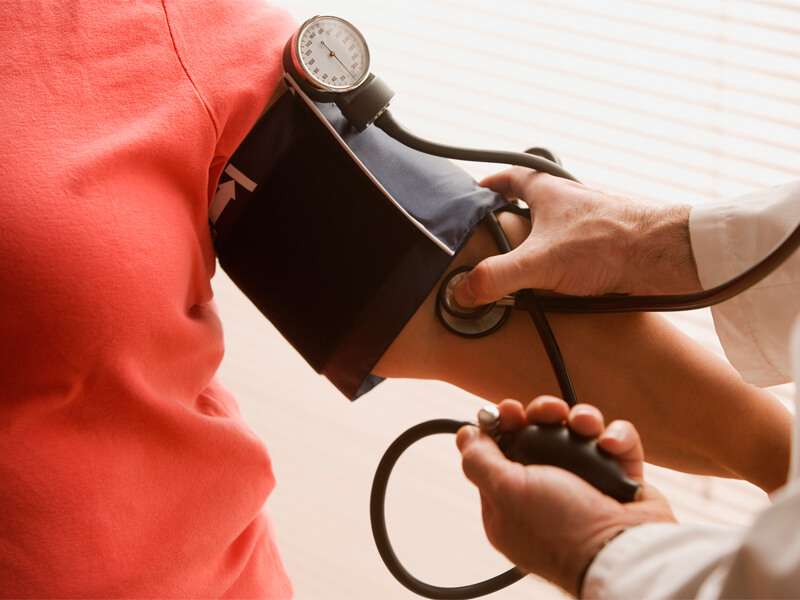
COPD is a progressive lung disorder primarily caused by smoking that obstructs airflow and causes breathing difficulties. Proper management slows disease progression.
- Causes and signs: Smoking is the main cause; symptoms include chronic cough, wheezing, shortness of breath during activities.
- Diagnosis process: Lung function tests such as spirometry confirm airflow obstruction severity.
- Treatment approaches: Smoking cessation is critical; bronchodilators, steroids, oxygen therapy may be used depending on severity.
- Treatment goals: Improve breathing comfort and reduce exacerbations through medication adherence and lifestyle changes.
Lifelong management with support for quitting smoking offers improved outcomes and enhanced respiratory health for COPD patients.
TYPE 2 DIABETES MELLITUS CARE

Type 2 diabetes is characterized by high blood sugar due to insulin resistance or insufficient insulin production. Early detection and management are critical in preventing severe complications.
- Symptoms and risk factors: Includes increased thirst, frequent urination, fatigue; risk rises with obesity, inactivity, and family history.
- Diagnostic tools: Blood tests such as fasting glucose or HbA1c levels confirm diagnosis.
- Treatment strategies: Emphasis on dietary modifications, regular physical activity, oral medications, and sometimes insulin therapy.
- What to expect: Ongoing lifestyle adjustments along with periodic medical reviews to optimize blood sugar control.
A comprehensive approach combining lifestyle intervention with medical therapy helps maintain quality of life for those living with type 2 diabetes.
HYPERTENSION MANAGEMENT
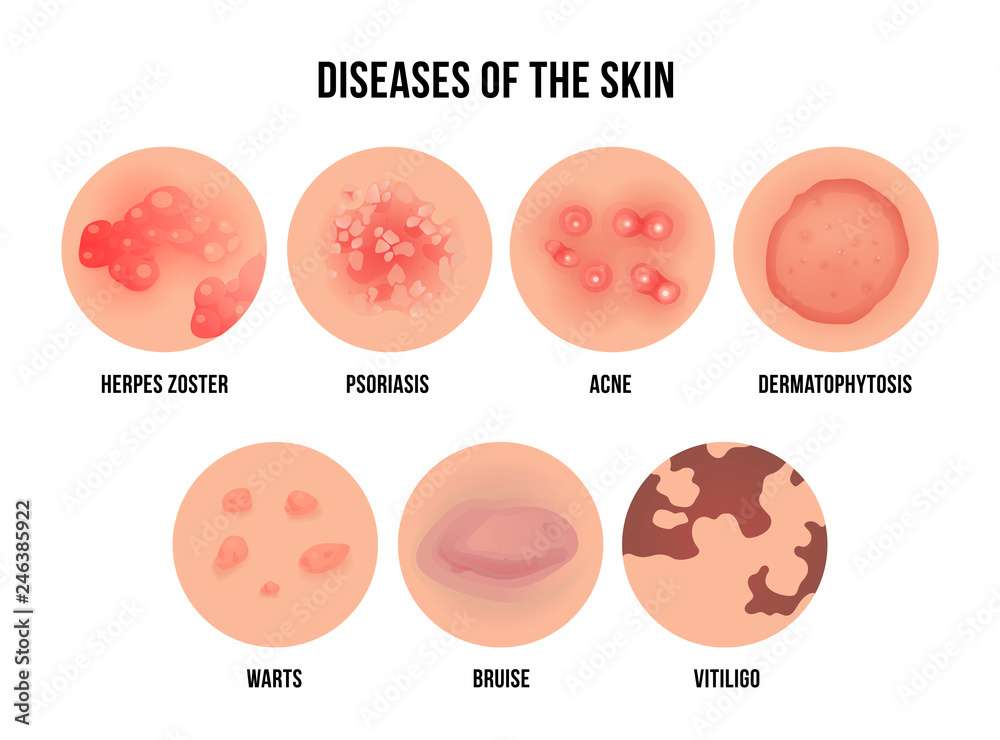
High blood pressure, or hypertension, is a common condition that can lead to serious health issues if left untreated. Managing it effectively reduces the risk of heart attacks, strokes, and kidney problems.
- Causes and symptoms: Often called a "silent killer," hypertension usually has no symptoms but can be influenced by genetics, diet, stress, and lifestyle.
- Diagnosis: Regular blood pressure monitoring through office visits or home devices confirms the condition.
- Treatment options: Lifestyle changes like diet and exercise are primary; medication may also be prescribed to control levels.
- Management expectations: Patients should anticipate ongoing monitoring and possible medication adjustments for optimal control.
Continued care and awareness about blood pressure readings are essential to prevent long-term complications associated with hypertension.