
Dr S L Bhatnagar
About Me
Dr S L Bhatnagar
MBBS
General Physician
Biography
My Clinic
OPD Hours
| Monday | Morning | 10:00 AM | - | 02:00 PM |
| Evening | 06:00 PM | - | 09:00 PM | |
| Tuesday | Morning | 10:00 AM | - | 02:00 PM |
| Evening | 06:00 PM | - | 09:00 PM | |
| Wednesday | Morning | 10:00 AM | - | 02:00 PM |
| Evening | 06:00 PM | - | 09:00 PM | |
| Thursday | Morning | 10:00 AM | - | 02:00 PM |
| Evening | 06:00 PM | - | 09:00 PM | |
| Friday | Morning | 10:00 AM | - | 02:00 PM |
| Evening | 06:00 PM | - | 09:00 PM | |
| Saturday | Morning | 10:00 AM | - | 02:00 PM |
| Evening | 06:00 PM | - | 09:00 PM | |
| Sunday | Morning | 10:00 AM | - | 02:00 PM |
| Evening | 06:00 PM | - | 09:00 PM |
Treatments
Specialised care and treatments offered
COMMON COLD
A common viral infection affecting the upper respiratory tract is known as a cold. It’s typically mild but can be bothersome due its widespread nature among populations during colder months.
< ul class= 'with-br' style='margin:0;padding-left:1em;'>< span class= 'with-br' style='font-size:0.8em;color:#555;'> / ul >/ < ul class='without-br' style='margin:0;padding-left:1em;'> Even though it usually resolves within a week cold causes similar challenges every year.It can interfere significantly with daily routines at times. < / ul class = 'without-br' style = 'margin : 0 ; padding - left : 1 em ;'> < / ul class = 'without-br' style = 'margin : 0 ; padding - left : 1 em ;'> }GASTROESOPHAGEAL REFLUX DISEASE (GERD)

This chronic digestive disorder occurs when stomach acid frequently flows back into the esophagus. This backwash irritates the lining of your esophagus leading to discomfort and other symptoms.
This chronic digestive disorder occurs when stomach acid frequently flows back into the esophagus. This backwash irritates the lining of your esophagus leadingto discomfortand other symptoms.- No results found
By understanding GERD better one can seek timely intervention preventing further complications effectively !
SEASONAL FLU
The seasonal flu is caused by influenza viruses that infect the respiratory tract. It's highly contagious and can lead to serious health complications in vulnerable populations.
- Symptoms: Typical symptoms include fever, cough, sore throat, muscle aches, and fatigue that come on suddenly.
- Causation Factors: The flu virus spreads through droplets when infected individuals cough or sneeze; close contact increases transmission risk.
- Diagnosis : Usually based on clinical symptoms; laboratory tests are available for confirmation but not always necessary .
- Treatment : Rest , hydration , antiviral medications may be prescribed , particularly for high-risk patients .
- What to Expect : Most recover within a week but some may experience lingering fatigue ; vaccination helps prevent widespread outbreaks .
Timely recognition and appropriate care minimize complications associated with the flu effectively .
ALLERGIES
An allergy occurs when the immune system reacts abnormally to a substance. Common allergens include pollen, dust mites, pet dander, and certain foods.
- Symptoms: Symptoms range from sneezing and itchy eyes to severe anaphylactic reactions in some cases.
- Causes: Genetic predisposition combined with environmental exposures triggers allergic reactions.
- Diagnosis: Skin tests or blood tests can identify specific allergens causing reactions in patients.
- Treatment: Avoidance of allergens is key; medications such as antihistamines or corticosteroids may be prescribed for relief.
- What to Expect: Effective management often allows individuals to enjoy their daily activities without significant disruptions from allergies.
A tailored treatment plan enhances quality of life for those affected by allergies significantly.
DIABETES MELLITUS
Diabetes mellitus is a chronic condition that affects how the body processes glucose. It can lead to serious complications if not managed properly.
- Symptoms: Common symptoms include increased thirst, frequent urination, fatigue, and blurred vision.
- Causes: Type 1 diabetes is usually autoimmune while Type 2 relates to lifestyle factors like poor diet and lack of exercise.
- Diagnosis: Blood tests to measure glucose levels are essential for diagnosing diabetes.
- Treatment: Treatment may involve lifestyle modifications, insulin therapy, and medications that help control blood sugar levels.
- What to Expect: Continuous management of diabetes can lead to a healthy life with fewer complications.
A proactive approach helps individuals maintain control over their condition effectively.
HYPERTENSION
Hypertension, or high blood pressure, is a common condition characterized by elevated pressure in the arteries. This often asymptomatic condition can lead to serious health complications if left unmanaged.
- Symptoms: Often there are no noticeable symptoms; however, some may experience headaches or dizziness.
- Causes: Factors include obesity, sedentary lifestyle, excessive salt intake, and genetics.
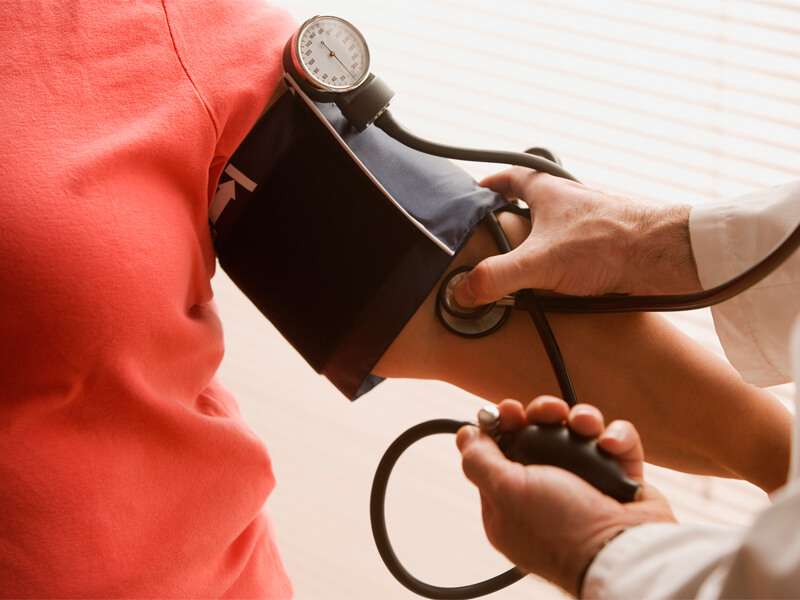
- Diagnosis: Blood pressure is measured with a sphygmomanometer; multiple readings are taken for accuracy.
- Treatment: Management includes lifestyle changes such as diet and exercise along with medications like diuretics or ACE inhibitors.
- What to Expect: Regular monitoring and adjustments in treatment help maintain optimal blood pressure levels.
Effective management of hypertension is crucial to prevent cardiovascular diseases and ensure overall well-being.