
Dr S S Haldia
About Me
Dr S S Haldia
MBBS
General Physician
Biography
My Clinic
OPD Hours
| Monday | Morning | 10:00 AM | - | 02:00 PM |
| Evening | 06:00 PM | - | 09:00 PM | |
| Tuesday | Morning | 10:00 AM | - | 02:00 PM |
| Evening | 06:00 PM | - | 09:00 PM | |
| Wednesday | Morning | 10:00 AM | - | 02:00 PM |
| Evening | 06:00 PM | - | 09:00 PM | |
| Thursday | Morning | 10:00 AM | - | 02:00 PM |
| Evening | 06:00 PM | - | 09:00 PM | |
| Friday | Morning | 10:00 AM | - | 02:00 PM |
| Evening | 06:00 PM | - | 09:00 PM | |
| Saturday | Morning | 10:00 AM | - | 02:00 PM |
| Evening | 06:00 PM | - | 09:00 PM | |
| Sunday | Morning | 10:00 AM | - | 02:00 PM |
| Evening | 06:00 PM | - | 09:00 PM |
Treatments
Specialised care and treatments offered
MINOR SKIN PROCEDURES
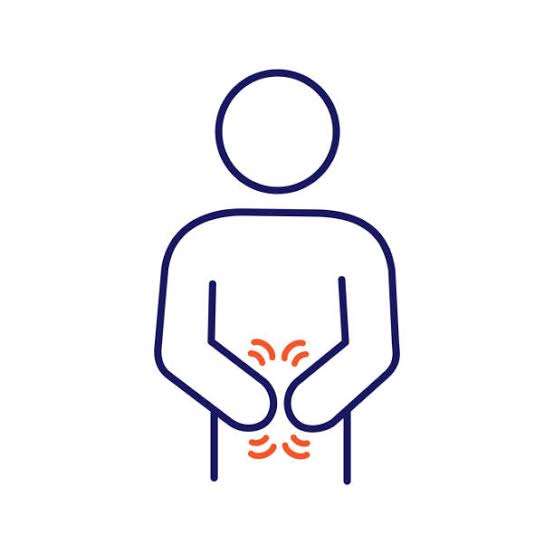
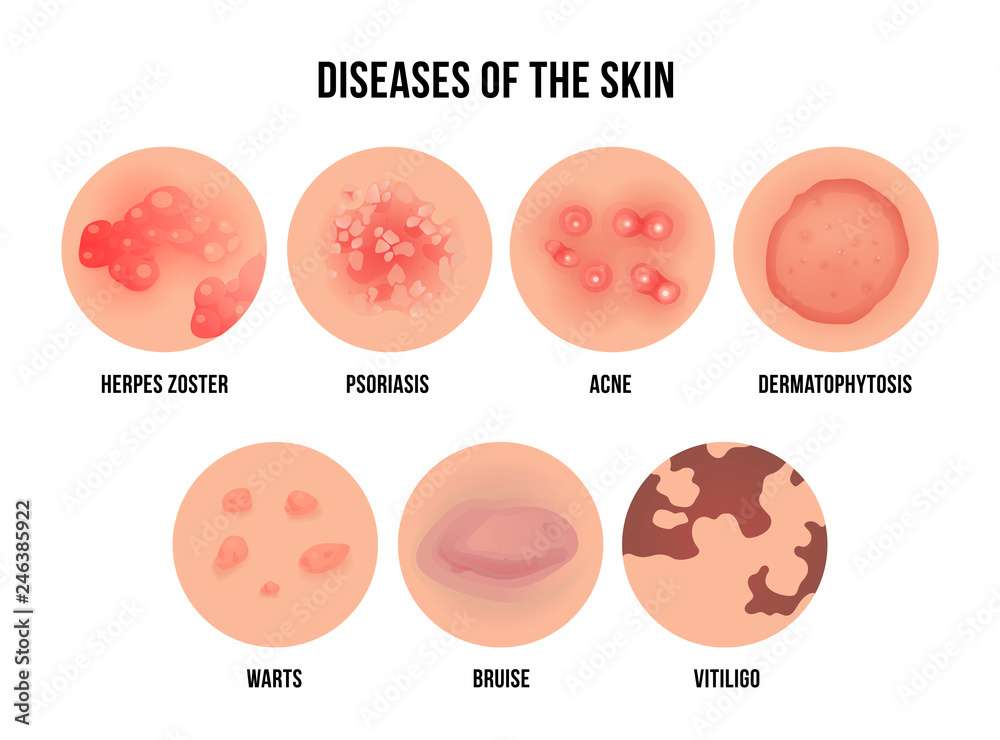
Caring for skin health involves addressing various conditions ranging from benign growths to inflammatory issues which can often be treated through minor procedures in an office setting effectively enhancing appearance & comfort
- Examples: Conditions such as warts moles skin tags cysts acne scars among others require attention
- Indicators: Signs indicating treatment include irritation bleeding change in color/size irregular border etc .
- Assessment: Dermatological evaluations including visual inspections biopsies if needed help determine necessary interventions .
- Treatment modalities : Techniques include cryotherapy laser therapy electrosurgery excision under local anesthesia ; typically minimally invasive ensuring swift recovery path .
Addressing skin concerns promptly improves self-esteem while preventing further complications arising from neglected lesions & irritations alike helping realize overall well-being goals actively pursued every day!
GASTROESOPHAGEAL REFLUX DISEASE (GERD) MANAGEMENT

This chronic digestive condition occurs when stomach acid frequently flows back into the esophagus causing discomfort known as acid reflux. Awareness of GERD’s symptoms leads to timely intervention
- Symptoms: Heartburn persistent cough regurgitating sour content difficulty swallowing etc., frequently indicates GERD
- Causes: Factors contributing could be obesity pregnancy smoking certain medications etc .
- Diagnosis: Your doctor may suggest pH monitoring upper endoscopy or esophageal manometry among other approaches .
- Treatment options: Management generally includes lifestyle alterations dietary recommendations along with anti-reflux medications prescribed based upon severity level .
Timely management ensures comfort while minimizing potential long-term complications associated with recurrent reflux attacks
THYROID DISORDERS EVALUATION
The thyroid gland plays a crucial role in regulating metabolism through hormone production. Disorders can lead to numerous systemic effects which need prompt evaluation and treatment.
- Symptoms: Thyroid dysfunction can manifest as weight changes (loss or gain), fatigue, mood swings, hair loss, or temperature sensitivity among others depending on whether it's hyperthyroidism or hypothyroidism.
- Causal factors: Conditions like autoimmune diseases (Graves’ disease or Hashimoto's thyroiditis), iodine deficiency or certain medications might contribute to these disorders.
- Diagnosis: Blood tests measuring thyroid hormone levels (TSH & T4) alongside imaging studies help confirm thyroid-related issues effectively
Treatment plans may vary based on the specific disorder but usually incorporate medications that aim to normalize hormone levels enhancing overall metabolic stability
ASTHMA MANAGEMENT
Asthma is a chronic lung condition that causes breathing difficulties due to airway inflammation. Its management is essential for maintaining a normal life without disruptions from symptoms.
- Symptoms: Individuals may experience wheezing, chest tightness, shortness of breath, and coughing—especially during night or early morning hours.
- Triggers: Common triggers include allergens (like pollen), air pollutants, exercise-induced factors, respiratory infections, and strong odors.
- Diagnosis: Diagnosis involves a detailed medical history review along with lung function tests such as spirometry for assessing airflow restriction.
- Treatment options: Asthma management includes avoiding triggers along with medications such as inhalers for quick relief or long-term control steroids based on severity.
An effective asthma action plan tailored for individual needs helps minimize complications and promotes healthier living conditions for those affected by the condition.
DIABETES MELLITUS CARE

Diabetes is a chronic condition that affects how your body turns food into energy. If not well managed, it can lead to serious complications affecting various organs.
- Symptoms: Common signs include increased thirst and hunger, frequent urination, fatigue, blurred vision, and slow healing wounds.
- Causes: The condition is typically caused by insulin resistance or insufficient insulin production. Risk factors include obesity, inactivity, family history, and age.
- Diagnosis: Blood tests measuring glucose levels are crucial for diagnosing diabetes. A fasting blood sugar test or an A1C test is often used.
- Treatment options: Management may involve lifestyle changes such as diet modifications and physical activity. Medications or insulin therapy are also common treatments depending on the type of diabetes.
A proactive approach in managing diabetes can enhance quality of life and prevent long-term health issues.
HYPERTENSION MANAGEMENT
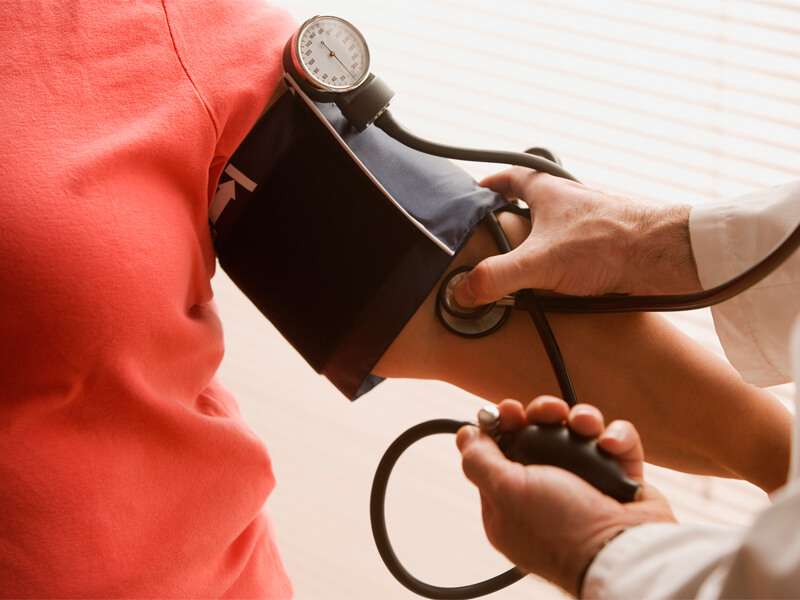
Hypertension, commonly known as high blood pressure, is a significant health concern that can lead to severe complications if left untreated. This condition often develops over many years and may not present clear symptoms initially.
- Symptoms: Many individuals with hypertension do not experience noticeable symptoms, but some may have headaches, shortness of breath, or nosebleeds in severe cases.
- Causes: Factors contributing to high blood pressure include genetics, poor diet, lack of physical activity, obesity, and excessive alcohol consumption.
- Diagnosis: Blood pressure is assessed using a sphygmomanometer. Often, multiple readings are taken on different occasions to confirm the diagnosis.
- Treatment options: Lifestyle modifications such as dietary changes and increased exercise are vital. In some cases, medication may be prescribed to help control blood pressure levels.
- Management: Regular monitoring and follow-up appointments are essential to ensure effective management of the condition.
Addressing hypertension early on can significantly improve overall health and reduce the risk of serious complications like heart disease and stroke.