
Dr S S Jhala PGIM
About Me
Dr S S Jhala PGIM
MS
Orthopaedic Surgeons
10 Years Experience
Biography
My Clinic
OPD Hours
| Monday | Morning | 10:00 AM | - | 02:00 PM |
| Evening | 06:00 PM | - | 09:00 PM | |
| Tuesday | Morning | 10:00 AM | - | 02:00 PM |
| Evening | 06:00 PM | - | 09:00 PM | |
| Wednesday | Morning | 10:00 AM | - | 02:00 PM |
| Evening | 06:00 PM | - | 09:00 PM | |
| Thursday | Morning | 10:00 AM | - | 02:00 PM |
| Evening | 06:00 PM | - | 09:00 PM | |
| Friday | Morning | 10:00 AM | - | 02:00 PM |
| Evening | 06:00 PM | - | 09:00 PM | |
| Saturday | Morning | 10:00 AM | - | 02:00 PM |
| Evening | 06:00 PM | - | 09:00 PM | |
| Sunday | Morning | 10:00 AM | - | 02:00 PM |
| Evening | 06:00 PM | - | 09:00 PM |
Treatments
Specialised care and treatments offered
FROZEN SHOULDER
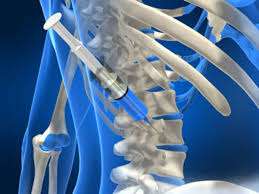
Frozen shoulder—medically termed adhesive capsulitis—involves stiffness within shoulder joints which may develop post-injury or surgery but can also form without any apparent cause whatsoever over time!
.- .
- . Ssymptoms :The leading indication includes persistent pain coupled alongside significantly limited range regarding arm movement capabilities throughout everyday activities! .
- . Causess:This affliction arises when surgical trauma occurs involving rotator cuff muscles surrounding this specific region extensively causing it become inflamed leading towards eventual scarring forming beneath tissues collectively thereby restricting mobility considerably!. .
- . Ddiagnosis:A thorough clinical assessment will likely precede subsequent imaging tests ensuring accurate confirmation before commencing preferred methods targeting resolution!. .
- . Treatment:The core approach revolves around gradual rehabilitation focused upon restoring normal ranges via physiotherapy first before considering additional non-invasive approaches later down path if needed too!. .
- . Eexpectations :This condition responds favorably toward dedicated efforts placed upon interventions yielding more flexibility ultimately contributing towards enhanced quality life altogether regardless time frame required achieving desired outcomes eventually too!. .
A systematic strategy tailored individualized needs stands keys unlocking functions impaired originally forging paths paving way forward progress reached consistently onward!. .
CARPAL TUNNEL SYNDROME

This condition results when pressure on the median nerve at the wrist causes symptoms affecting hand function. It's common among individuals who perform repetitive wrist motions regularly.
- Symptoms : Typical symptoms consist of numbness or tingling sensations in fingers along with weakness while gripping objects tightly.
- Causes : Repetitive hand movements coupled with certain medical conditions like diabetes may predispose individuals toward developing carpal tunnel syndrome.
- Diagnosis : A combination of physical examination findings paired with nerve conduction studies help confirm this disorder accurately.
- Treatment : Management strategies primarily focus on wrist splints during nighttime use along with possible oral medications aimed at reducing inflammation levels effectively. Physical therapy treatments targeting hand strength also prove beneficial if conservative measures do not suffice initially for relieving discomfort experienced by patients!
An early intervention approach enables successful symptom alleviation allowing improved functionality above all else!
BURSITIS

Bursitis is an inflammation of the bursa—small fluid-filled sacs cushioning bones and tissues at joints. It commonly occurs in areas like shoulders and hips where repetitive motion occurs frequently.
- Symptoms : Key symptoms include swelling around the joint area coupled with localized tenderness and restricted movements due to discomfort.
- Causes : Bursitis often arises from repetitive motions over time such as those seen in sports or certain occupations.
- Diagnosis : Medical professionals utilize physical examinations combined with imaging tests like ultrasound for accurate diagnosis.
- Treatment : Initially treating bursitis involves rest from aggravating activities alongside ice applications; occasionally physical therapy might be recommended for strengthening purposes.
- Expectations : With appropriate interventions including lifestyle modifications most patients respond positively within several weeks.
A proactive focus can lead towards effective management while preventing future flare-ups associated with bursitis.
PLANTAR FASCIITIS

This common foot condition involves inflammation of the plantar fascia – a thick band of tissue that runs across the bottom of your foot. It can lead to significant heel pain and discomfort during movement.
- Symptoms: The hallmark symptom is sharp heel pain that typically worsens after periods of inactivity or upon waking up in the morning.
- Causes: Contributing factors may include high-impact activities, obesity, improper footwear, or tight calf muscles that place extra stress on the heel area.
- Diagnosis: A detailed patient history along with a physical examination helps diagnose plantar fasciitis; imaging studies may be utilized if symptoms persist.
- Treatment: Effective management includes stretching exercises, orthotic inserts for shoes, anti-inflammatory medications, and possibly corticosteroid injections for severe cases.
- Expectations: With consistent effort on stretching and strengthening exercises along with lifestyle adjustments, most individuals experience significant relief over time.
A comprehensive approach will facilitate optimal recovery from plantar fasciitis while aiding in maintaining foot health long-term.
TENDINITIS

Tendinitis refers to an inflammation or irritation of a tendon, often resulting from repetitive movements or overuse. It can occur in various parts of the body but is particularly common in the shoulders, elbows, knees, and heels.
- Symptoms: Symptoms usually include localized pain and tenderness along the affected tendon.
- Causes: Tendinitis is commonly caused by repetitive activities such as sports or work-related tasks that strain the tendons.
- Diagnosis: A thorough clinical evaluation coupled with imaging techniques like ultrasound or MRI can assist in confirming tendinitis.
- Treatment: Initial treatment typically involves rest, ice application, non-steroidal anti-inflammatory medications (NSAIDs), followed by targeted rehabilitation exercises.
- Expectations: Most patients recover well with appropriate management; however, some may require modifications in activity levels to prevent recurrence.
Taking early action can significantly enhance recovery from tendinitis and minimize long-term complications.
OSTEOARTHRITIS

Osteoarthritis is a degenerative joint disease that affects millions of people worldwide. It occurs when the protective cartilage on the ends of bones wears down over time, leading to pain and stiffness.
- Symptoms: Common symptoms include joint pain, swelling, and reduced range of motion.
- Causes: Factors contributing to osteoarthritis may include age, genetics, previous joint injuries, and obesity.
- Diagnosis: Diagnosis typically involves physical examination, patient history, and imaging tests such as X-rays or MRIs.
- Treatment: Management options focus on lifestyle changes including weight management, regular exercise, physical therapy, and medication for pain relief.
- Expectations: While osteoarthritis is a chronic condition, adhering to treatment can help alleviate symptoms and improve quality of life.
Understanding osteoarthritis allows individuals to take proactive steps in managing their health effectively.